Sudan and Ethiopia are trading accusations of support for armed groups across their shared border, raising concern that Sudan's civil war and renewed fighting in Ethiopia's Tigray region could become a wider regional confrontation. The accusations remain disputed and have not been independently established. But the diplomatic breakdown is real: the two countries closed each other's border-area consulates earlier this month.
What happened at the border?
Sudan's army says Ethiopian territory has been used by the paramilitary Rapid Support Forces (RSF) for camps, drone launches and attacks on Sudanese infrastructure. The Sudanese government says it submitted complaints to the United Nations Security Council and the African Union's Peace and Security Council in early November. Ethiopia denies helping the RSF.
Ethiopia, meanwhile, alleges that Sudan and other neighbours have supported armed opponents in its northern Tigray region. Sudan, Egypt and Eritrea reject the allegation. The competing claims are serious, but Reuters and the Associated Press have not verified them as government-directed operations.
On November 4, Reuters reported that Ethiopia ordered six Sudanese consular staff to leave Assosa and shut the mission, while Sudan closed Ethiopia's consulate in Gedaref and expelled its diplomats. These diplomatic actions are confirmed developments, unlike the allegations of covert military assistance.
Why two domestic wars could intersect
Sudan's war began in April 2023 when fighting erupted between the Sudanese Armed Forces and the RSF. It has devastated civilian infrastructure, driven millions from their homes and left people exposed to hunger and attacks. In Ethiopia, fighting resumed in Tigray in September 2026 despite the peace agreement reached in 2022. A conflict on either side of the frontier can create routes for fighters, arms, drones and refugees, making border control harder.
The Associated Press reported on November 16 that Yale University's Humanitarian Research Lab had identified a buildup of military equipment near Assosa and linked activity at an Ethiopian base to the RSF. That finding is more specific than an uncorroborated political allegation, but it should not be stretched into proof that Ethiopia's government ordered particular attacks. The chain of command, origin of weapons and responsibility for individual strikes still require independent verification.
Civilians face the greatest danger
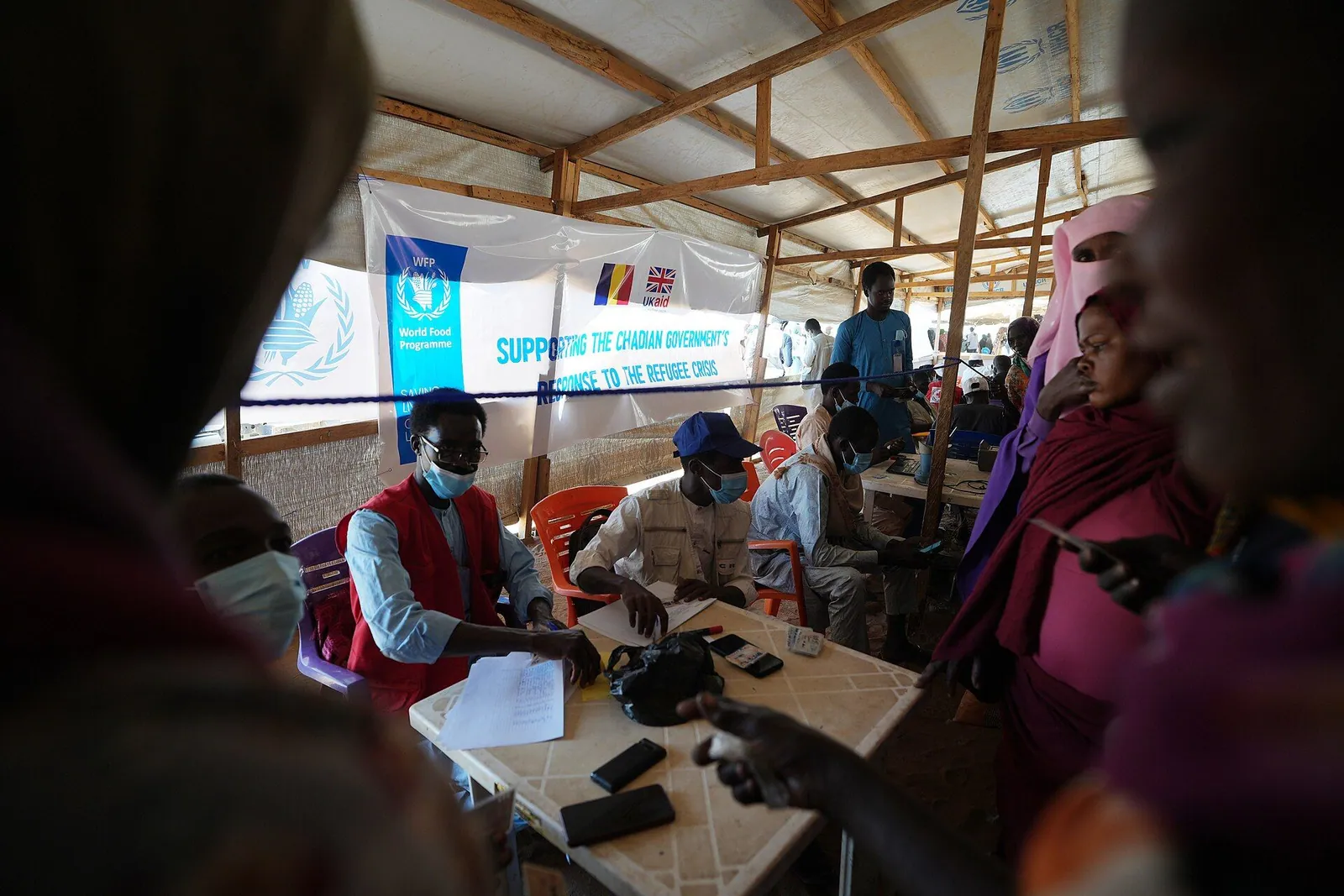
The humanitarian stakes are immediate. AP cites conflict-monitoring data indicating at least 59,000 deaths in Sudan's war, while cautioning that the real toll could be higher. Displacement estimates differ by date, coverage and methodology: AP's November 16 account refers to roughly 13 million displaced people, whereas Reuters' November 4 report cited UN figures of more than 14 million. These should not be treated as directly comparable measurements.
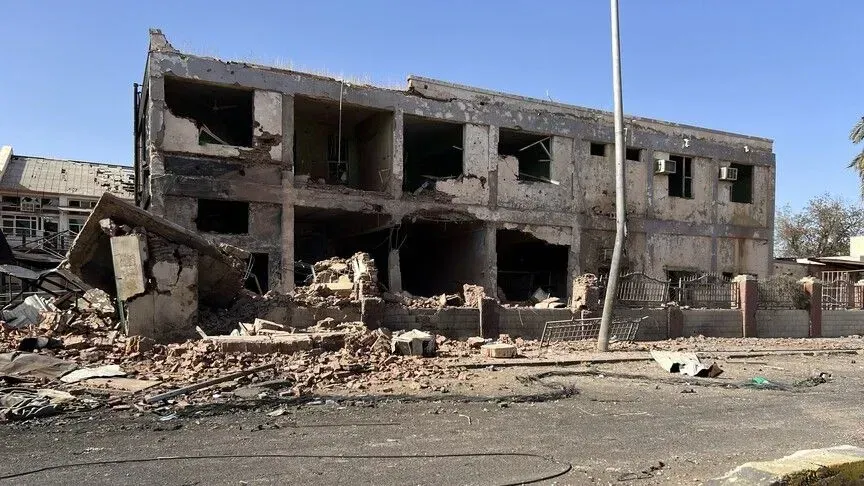
Drone attacks have compounded the danger. The Emergency Lawyers rights group said an October strike near the Ethiopia border killed 41 displaced people, according to AP. That casualty claim has not been independently verified by News WLD. Separately, reporting by the Guardian describes mounting civilian casualties and damage to markets, homes, electricity and water infrastructure from drone warfare across Sudan.
A broader conflict would threaten aid deliveries and movement across border communities. Displaced families often have limited means to escape again, while damaged roads, power facilities and hospitals undermine basic services long after fighting moves elsewhere.
Older disputes add pressure
The confrontation is not solely about Sudan's RSF or Ethiopia's Tigray rebels. The countries dispute the fertile Al-Fashaga border area. They also differ over the Grand Ethiopian Renaissance Dam on the Blue Nile, whose operation raises water-security concerns downstream in Sudan and Egypt. These issues do not establish responsibility for the latest violence, but they reduce diplomatic trust when new allegations emerge.
Analysts cited by AP warn that competing regional alliances could turn domestic fighting into a proxy conflict. That is a risk assessment, not a prediction that a direct war is inevitable. Both governments have reasons to avoid opening another costly military front.
What would count as proof?
Independent satellite analysis, authenticated drone debris, flight-path data, documented supply routes and transparent investigations could clarify whether armed groups are operating across the frontier with official knowledge or support. The governments should disclose evidence underlying their complaints and permit impartial scrutiny where security conditions allow. The UN and African Union could play roles in verification and de-escalation.
The immediate priorities are protecting civilians, restoring diplomatic channels and preventing cross-border strikes. The confirmed story is escalating diplomatic hostility amid two active conflicts; responsibility for alleged covert military support remains contested.
Sources
- 1.Associated Press, November 16: Ethiopia and Sudan trade accusations, apnews.com
- 2.Reuters, November 4: Consulates closed after mutual allegations, reuters.com
- 3.Al Jazeera, November 3: Drone attacks and diplomatic dispute, aljazeera.com
- 4.The Guardian, November 14: Drone war's toll on Sudanese civilians, theguardian.com