Indonesia's President Prabowo Subianto apologised to Singapore and Malaysia over smoke from Indonesian forest and land fires during the ASEAN summit in Manila, renewing attention on whether the government can prevent another cross-border haze crisis rather than merely respond after the damage is done.
At the November 15 summit, Prabowo said fires that took almost four months to contain had affected neighbouring countries. He said Indonesia had deployed 71,000 personnel to battle the blazes and that 16 firefighters had died. Those are figures provided by the president, not independently audited totals in this article.
Companies face investigations, but case outcomes matter
Prabowo said authorities had revoked 17 corporate concessions, charged 11 companies, were investigating 26 and planned to charge another 23. He also said police were investigating 104 companies in total. The figures describe different enforcement stages; they must not be added together as if they represent distinct sets of proven offenders.
The president called for tougher action against corporations linked to the fires. But an investigation, a charge, a permit revocation and a final court conviction are separate events. The public still needs names, case numbers, the legal grounds for sanctions and the eventual outcomes to assess whether the promised enforcement is effective.
The challenge is especially significant where concessions, supply chains and land-clearing activities extend across provinces. Identifying who ignited a fire is not necessarily the same as establishing a company's legal responsibility for it. That requires evidence about land ownership or control, fire prevention practices and the applicable laws.
Satellite analysis points to the scale of the disaster
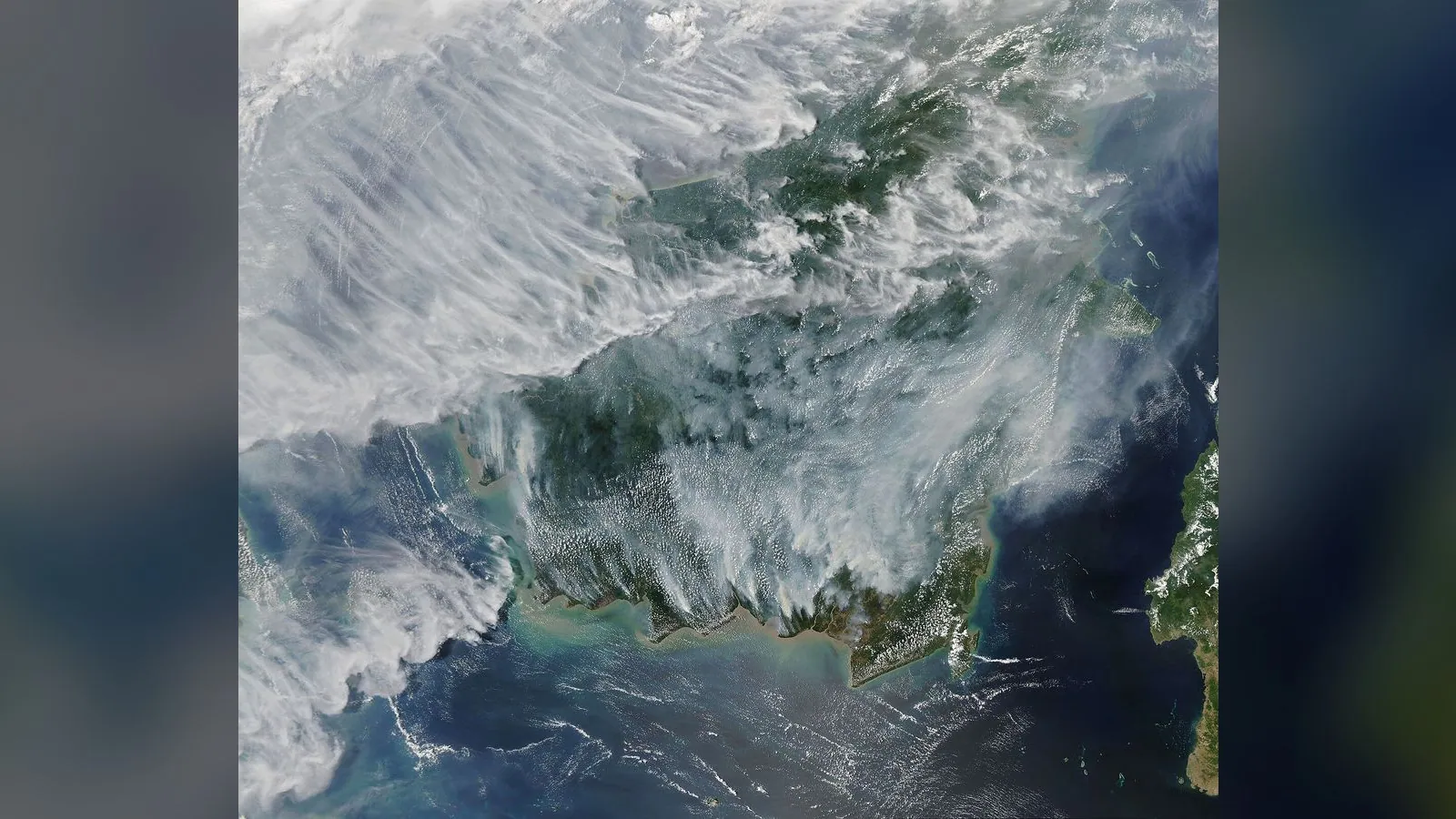
The Jakarta Post, citing an analysis by Nusantara Atlas, reported that about 2.88 million hectares of land had burned across Indonesia from January through October 2026. The monitoring group described that as the country's worst fire season in roughly a decade.
That figure is based on satellite analysis and should not be confused with a final official government tally. Smoke can hide some burning from satellite sensors and different methods can produce different estimates. The government had previously reported about 202,000 hectares burned by the end of July, a different measurement period.
The contrast underscores the need for prompt, standardised public reporting. Without comparable monthly figures, the public cannot easily evaluate how quickly burning spreads, which provinces are most affected or whether prevention measures are working.
Prolonged drought and El Niño conditions contributed to difficult firefighting conditions, according to reporting on the crisis. But weather does not remove the need to investigate human-driven ignition, land management and enforcement failures where evidence supports such inquiries.
Why Singapore and Malaysia are involved
Smoke does not stop at national borders. Haze has affected air quality, schools and daily activities in parts of Singapore and Malaysia, turning an Indonesian environmental emergency into a regional public-health and diplomatic problem.
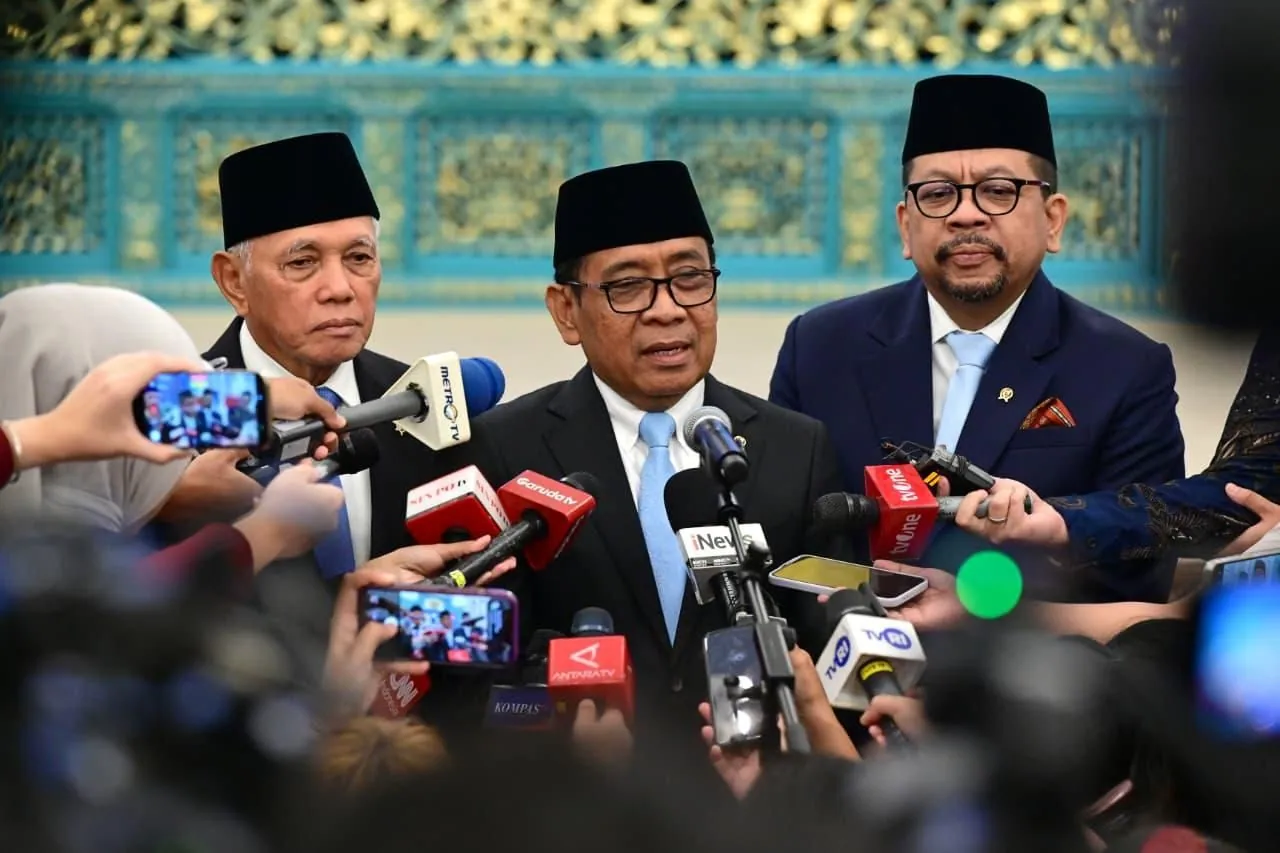
Singapore Prime Minister Lawrence Wong called for stronger cooperation in sharing information and pursuing companies involved in haze-causing fires. The two countries had already agreed to form a joint task force, according to Channel News Asia. Wong proposed widening this mechanism into a regional platform.
ASEAN officials also encouraged members to strengthen the regional architecture for transboundary haze control. Such cooperation could help investigators match satellite fire data, concession maps and corporate ownership across jurisdictions, although enforcement remains dependent on laws and evidence in each country.
The prevention test after the apology
Prabowo said Indonesia was preparing new institutions and programmes aimed at prevention rather than firefighting alone. The design, funding and powers of those bodies have not yet been fully detailed in the reports reviewed.
The next milestones should be public information: the identities and status of the 104 investigated companies, the legal disposition of revoked concessions, independent estimates of burnt area and health impacts, and an accountable plan to prevent fires before the next dry season.
An apology acknowledges regional harm. Whether it becomes a turning point will depend on measurable reductions in fires, transparent enforcement and protection for communities and responders who bear the immediate risks.