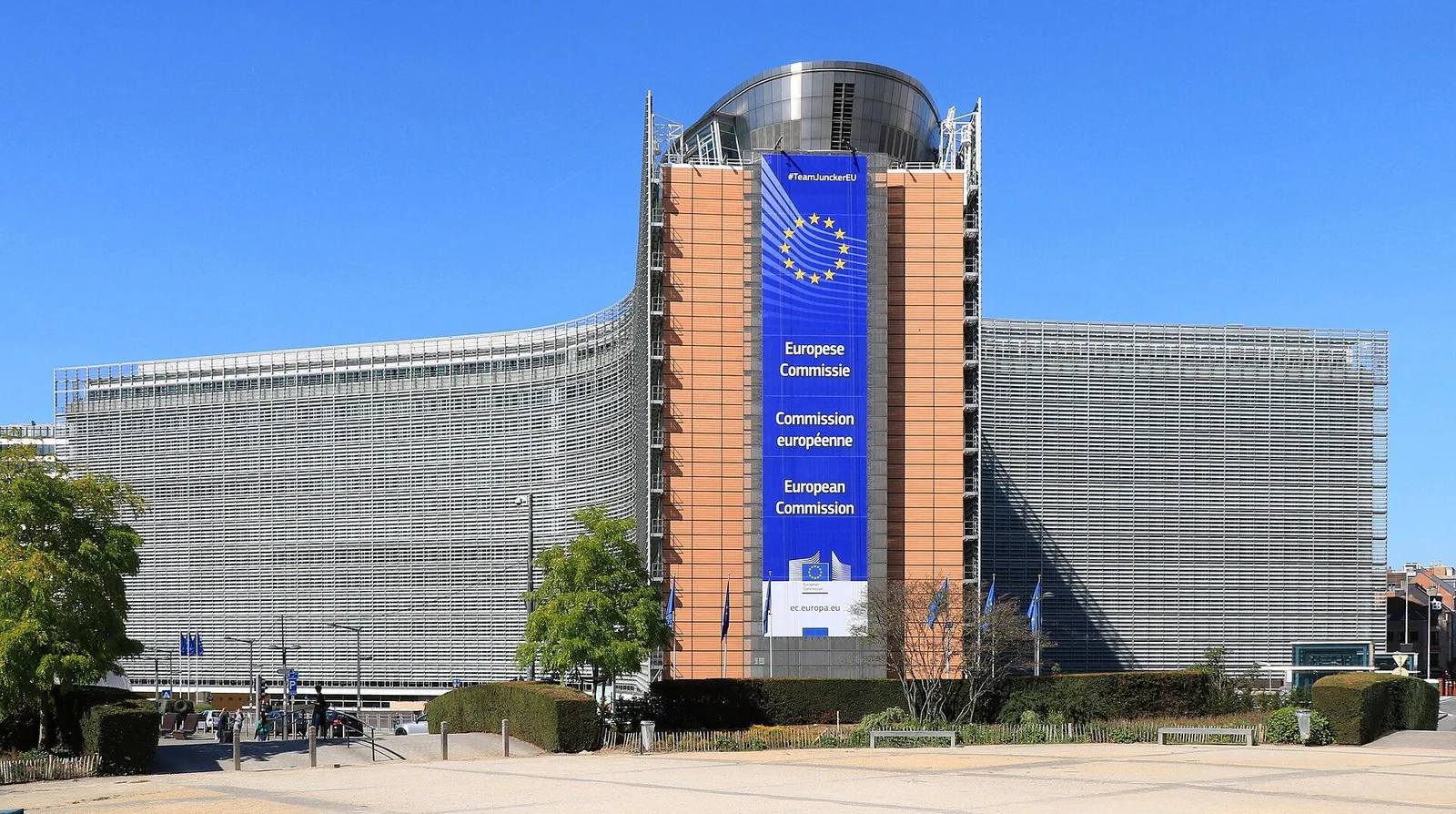
European Union foreign ministers agreed on November 16 to move ahead with an Association Agreement with Syria, according to EU foreign policy chief Kaja Kallas. The decision advances negotiations but does not put a final treaty into force.
A long-delayed framework
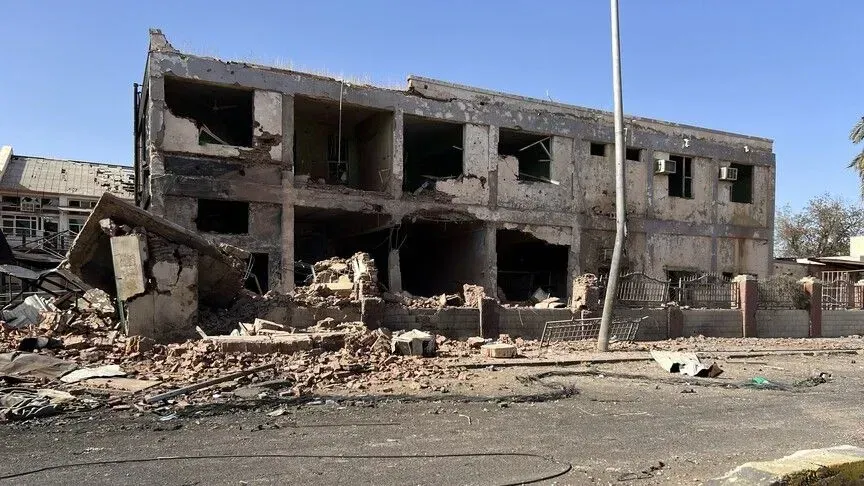
The proposed agreement dates to 2008, before the Syrian civil war and the eventual fall of Bashar al-Assad. It was not implemented amid human-rights concerns. European officials now view renewed engagement as a possible way to support Syria's political transition and reconstruction.
The framework could cover trade, political dialogue and wider cooperation. Diplomats still have to work through legal and technical details, and further revisions may be needed to reflect Syria's changed political circumstances.
Why the EU is acting
Kallas said Syria needs investment and a successful transition. She also argued that leaving a diplomatic vacuum could allow other powers to dominate the country's future. An EU Council briefing outlines €620 million in support for Syria across 2026 and 2027.
What remains unresolved
Security, inclusive governance, transitional justice and economic recovery remain major challenges. Agreement to proceed with negotiations does not resolve those concerns or guarantee an eventual pact. The next milestones are the legal text, any revised conditions and formal approval procedures.