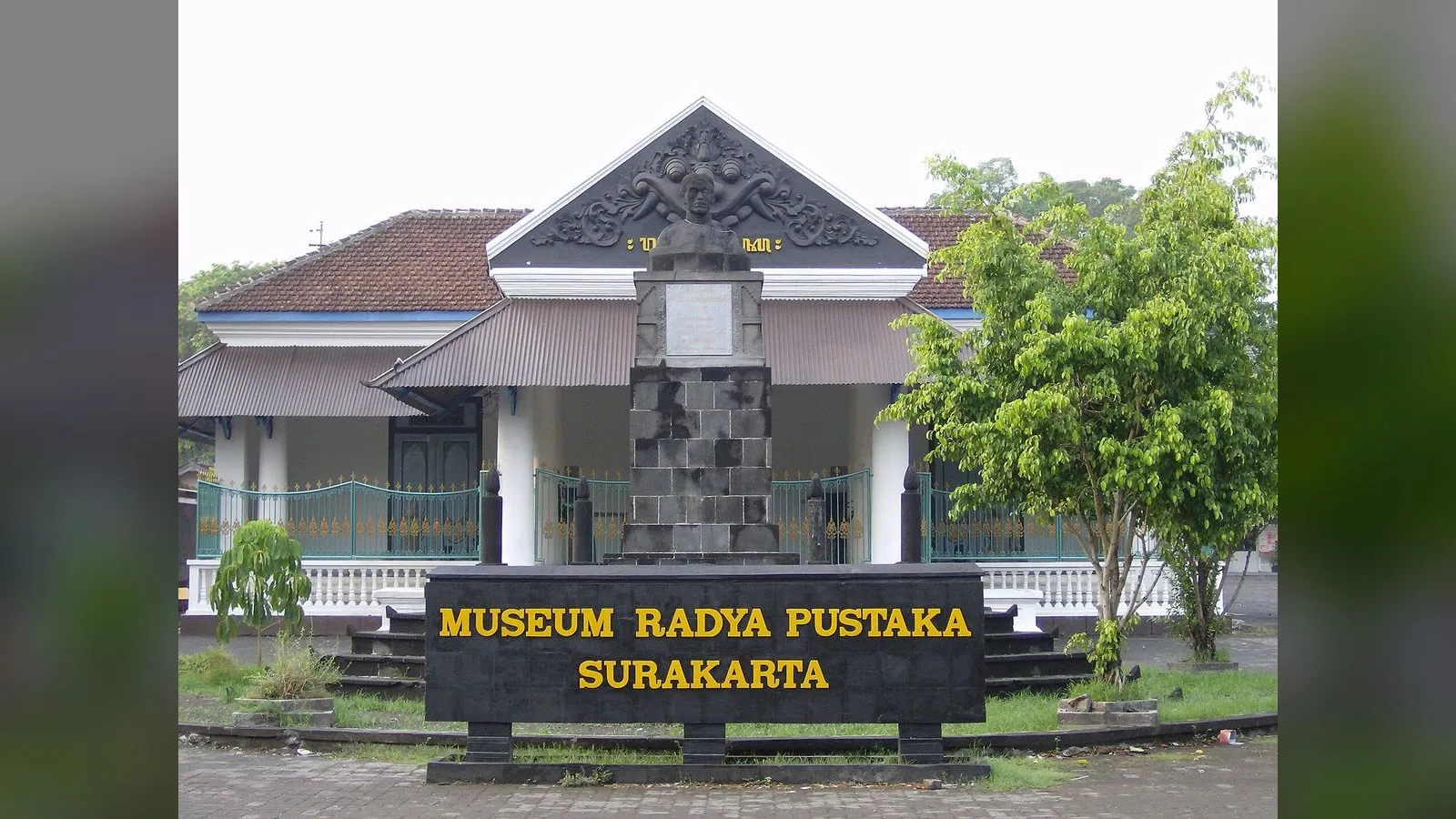
A viral post has revived the theft of ancient statues from Surakarta's Radya Pustaka Museum in 2007 and the death of archaeologist Lambang Babar Purnomo in February 2008. The post names collector Hashim Djojohadikusumo and implies a connection between the two events. Contemporary reporting confirms that stolen statues were found at Hashim's residence and that Lambang was an expert witness who subsequently died. It does not establish that Hashim committed theft or had any role in Lambang's death.
The museum theft and the collector
On November 23, 2007, ANTARA quoted Central Java police chief Dody Sumantyawan saying statues missing from the Radya Pustaka Museum had been found at Hashim's home in South Jakarta. The police chief described Hashim's status as a witness, not a suspect. Investigators were examining how the objects reached the property. The museum case involved genuine statues reportedly removed and replaced by imitations.
Hashim's spokesman Fadli Zon told ANTARA the same day that the collector had purchased five statues through Dutch art intermediary Hugo Kreijger and had documentation bearing the signature of the Surakarta ruler. He described the purchase as legitimate. These were statements by Hashim's side; they were not an independent legal determination that the sale was lawful or that every document was authentic.
On December 19, police said they intended to question Pakubuwono XIII about certificates associated with the sale. They also identified Kreijger as a suspect in the theft investigation and reported difficulty contacting him abroad. This matters because a purported certificate can be part of an investigation rather than conclusive proof of lawful provenance.
Hashim publicly rejected the accusation that he was a receiver of stolen property. He said he bought Indonesian antiquities abroad to prevent them being acquired by foreign collectors. That denial is relevant to understanding his position, but it does not erase the fact that investigators recovered museum objects from his residence.
What happened to the statues?
On January 12, 2008, police brought the Nandisawahanamurti statue back to Solo as evidence. ANTARA reported that Lambang, an official at the cultural-heritage preservation agency in Central Java, inspected the object and identified it as a genuine Radya Pustaka museum collection piece. The distinction between a statue being genuine and its purchaser being criminally liable is crucial. The former can be established through expert examination; the latter requires evidence of knowledge, conduct and applicable law.
The contemporary reports also described criminal proceedings against museum personnel and an antiquities intermediary. Those prosecutions should not be conflated with Hashim's status as a witness. A complete present-day assessment would require the final judgments, including any findings about the certificates and chain of sale. This review has not established those final judicial findings.
The archaeologist's death
Lambang Babar Purnomo, 57, was found dead near his motorcycle on a road in Sleman on February 9, 2008. detik and ANTARA identified him as an expert witness in the stolen-statue investigation. Police examined the scene and sought forensic and autopsy results. A February 10 ANTARA report said investigators were looking into whether the death resulted from an accident or possible interference by another party.
On February 15, ANTARA reported that Sleman police planned a case review but were still awaiting laboratory and autopsy results. Liputan6 later reported that relatives and colleagues suspected a connection between Lambang's work and his death, while describing the cause as unresolved in its March 2008 report. A family's concern deserves respectful reporting. It does not itself establish murder, a perpetrator or a motive.
The sources reviewed do not supply a verified final forensic conclusion, a criminal judgment linking Hashim to the death, or reliable evidence that Lambang was killed because he investigated the collector. The viral narrative's implication therefore remains unsubstantiated. Reporting the timing of two events is not the same as proving causation.
What about the ancient fossils?
The post also alleges that fossil tusks and other historical objects at Hashim's residence lacked valid ownership documents. That is a separate question from the Radya Pustaka theft. An object-by-object inventory, provenance documents, applicable heritage law and any final police assessment would be necessary to determine whether a particular item was lawfully held. A blanket claim of illegal possession cannot be inferred from the statue case alone.
What needs further investigation?
The public should be able to examine the museum's original inventory, police evidence logs, the purported certificates, final court rulings against museum insiders and intermediaries, and any definitive findings concerning Lambang's death. Those records could resolve important outstanding questions. They could also disprove suspicions. Both outcomes matter for public accountability.
Assessment: The statue recovery, Hashim's witness status, Lambang's expert role and his death are documented historical facts. Allegations that Hashim knowingly trafficked stolen statues or caused Lambang's death have not been substantiated by the sources reviewed. This is an examination of historical events resurfacing in a 2026 viral post, not a report of a new criminal finding.
Sources
- 1.Police identify Hashim as witness, antaranews.com
- 2.Hashim's purchase account, antaranews.com
- 3.Police question certificates, antaranews.com
- 4.Statue returned to Solo, antaranews.com
- 5.Hashim denies allegations, antaranews.com
- 6.Police investigate death, antaranews.com
- 7.Police await forensic results, antaranews.com
- 8.Liputan6 archival investigation, liputan6.com