Indonesia's University of the Republic of Indonesia (URI) is preparing roughly 400 university graduates for jobs at state-owned enterprises, raising questions about how candidates are recruited, what taxpayers will pay and what employment opportunities are available to other applicants.
The programme has attracted attention because government announcements refer to 400 participants after URI was established recently. But the presidential secretariat makes a critical distinction: participants already held bachelor's degrees before joining a leadership-training programme. They are not 400 students who earned complete undergraduate degrees in three months.
The debate is therefore better focused on transparent selection, recruitment and public spending than on a claim of impossibly accelerated graduation.
How the selection was described
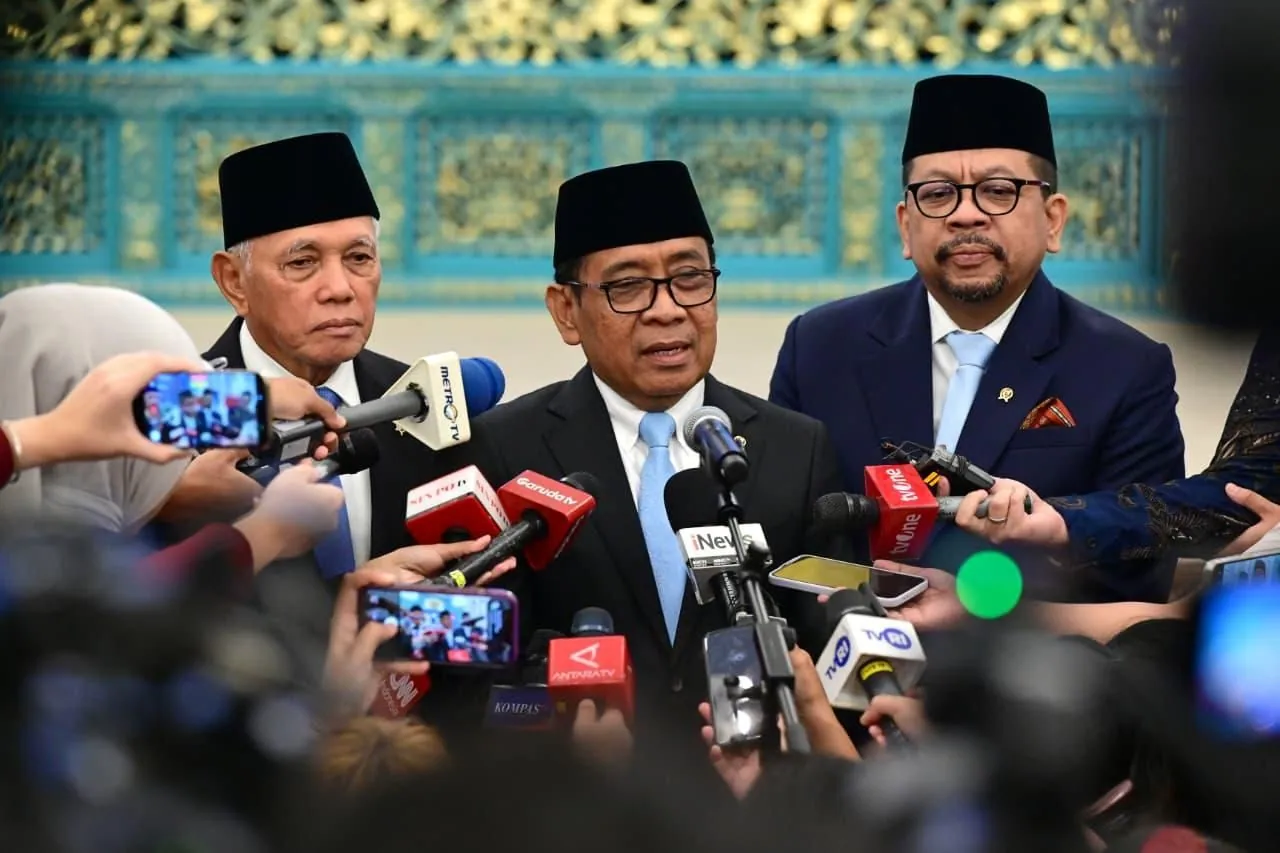
In comments reported by detikNews on November 16, Donny Gahral Adian described an applicant pool of 6,097 people. He said 714 reached the central selection and 400 were chosen after assessments including health checks, ideology and physical fitness. He also claimed all selected participants scored above 120 on an IQ test.
These figures and descriptions come from officials involved with the initiative. The reports examined did not include individual test results, an independently audited scoring methodology, or a full breakdown of selection outcomes. That does not prove the process was unfair; it identifies the evidence needed to evaluate it.
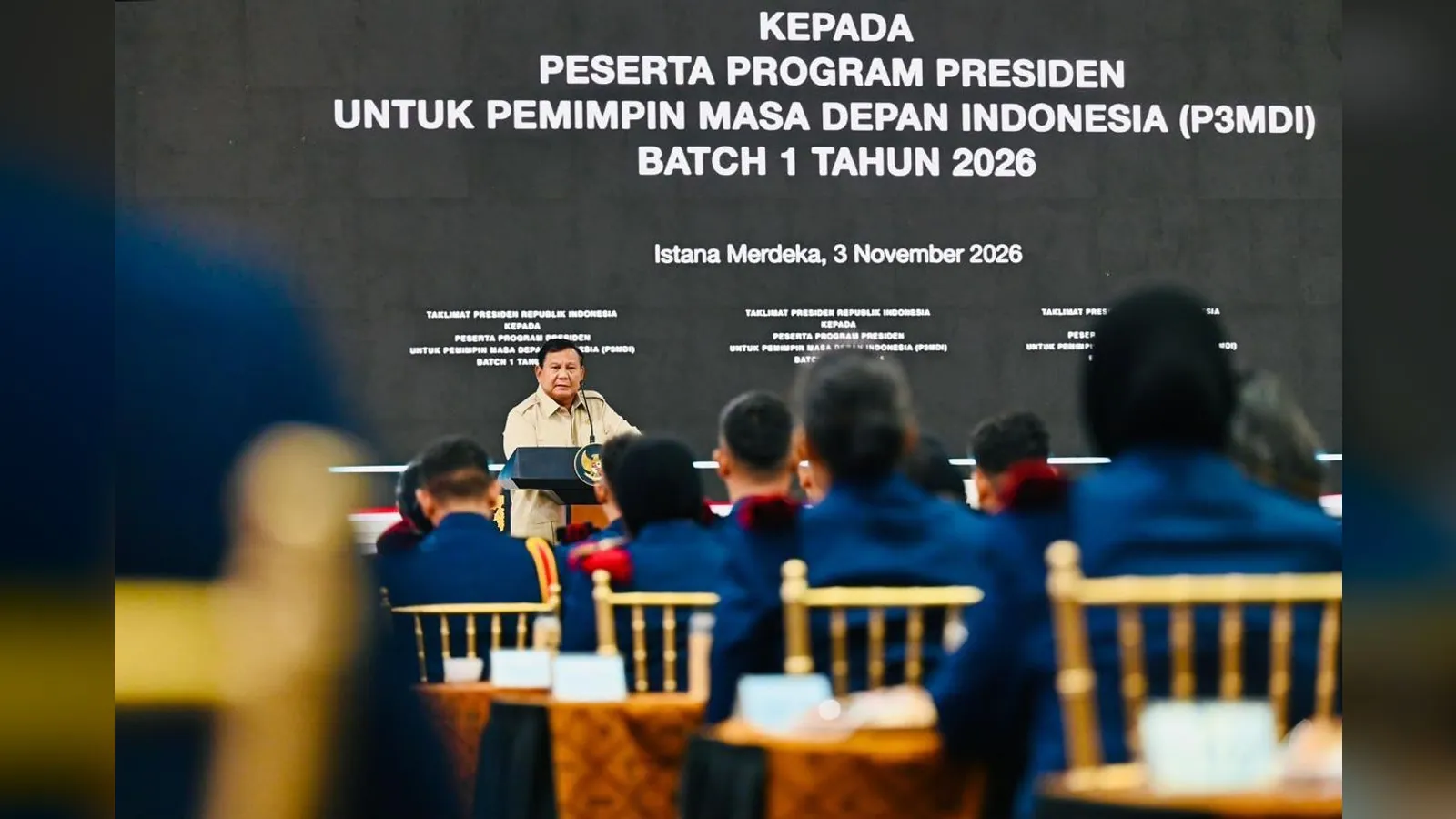
The programme is called the President's Programme for Indonesia's Future Leaders, or P3MDI. On November 3 President Prabowo Subianto addressed participants at the presidential palace, according to official government releases. The stated curriculum combines professional and managerial training with leadership, integrity and civic education.
The official plan calls for six months of intensive instruction and two months of internships before placement in state enterprises and strategic national projects.
Why the number of participants keeps changing
Government reports have used several numbers. The Cabinet Secretariat said on October 26 that 384 participants were expected to intern in January and February 2027. An Indonesian Air Force statement on November 10 also referred to 384 participants, but described an initial talent-identification process involving more than 10,000 young people.
In July, news reports quoted URI governor Donny Ermawan Taufanto as referring to 399 newly recruited state-enterprise employees in the first cohort. In November, some government material and news reports called the group 400 selected graduates.
These totals might describe different stages, people registered versus still attending, or slightly different definitions of applicants. None of the published accounts reviewed here reconciles them. An accurate public report would set out dates, definitions, dropouts if any, accepted candidates and enrolled trainees in a single table.
The mismatch is significant because public programmes should be evaluated using a stable denominator: the size of the applicant pool, the proportion admitted, the number completing training and the number actually placed in employment.
APBN funding requires an itemised explanation
When he was appointed URI governor in July, Donny Ermawan Taufanto said the institution's funding would come from Indonesia's national budget, the APBN, while acknowledging that the amount was still being calculated. Finance Minister Purbaya Yudhi Sadewa said the following day that he needed to check the funding mechanism.
Those statements are not a published expenditure report. They also do not by themselves establish the final sum spent, the budget lines used or which costs are borne by different public bodies.
A useful disclosure would show training expenses, accommodation, teaching contracts, facilities, internships, procurement and staffing costs, and any use of state-owned buildings or services. It would distinguish approved appropriations from actual expenditure.
Per-participant costs would then permit comparisons with other publicly financed training and scholarship schemes. Without that information, neither supporters nor critics can confidently establish whether URI provides value for money.
Does the programme guarantee a BUMN job?
Presidential statements describe participants as being prepared for work at state enterprises, and the Higher Education Ministry has outlined the training and internship sequence. However, a November 9 detik report quoted Deputy Higher Education Minister Fauzan as saying placements were handled internally by URI leadership.
The material reviewed does not establish whether each participant has a guaranteed permanent contract, must pass another recruitment stage, or will compete with candidates from ordinary universities for specific positions.
This distinction matters to graduates outside the programme. Transparent selection rules should clarify whether jobs are reserved, which employers have agreed to accept trainees, what qualifications are required and how applicants can challenge a decision.
It is legitimate for governments to invest in a specialised leadership pipeline. It is equally legitimate for taxpayers to ask how the pipeline relates to ordinary public recruitment and whether equivalent opportunities remain available through open competition.
A public-interest checklist, not a presumption of misconduct
No document reviewed for this report demonstrates unlawful selection, a misuse of funds or a guaranteed job handed out without process. Conversely, official assertions about high intelligence scores and integrity do not independently verify the fairness of recruitment or the effectiveness of training.
The next useful documents are URI's governing regulation, the call for applications, anonymised scores and selection criteria, approved budget allocations, audited spending and formal agreements with BUMN employers.
The central finding is straightforward: the 400-person story is about training existing graduates, not manufacturing new university degrees in a few months. The question still deserving scrutiny is whether selection, spending and eventual jobs can be independently accounted for.
Sources
- 1.Presidential Secretariat: 400 selected graduates and training pathway, presidenri.go.id
- 2.Cabinet Secretariat: 384 trainees in October, setkab.go.id
- 3.Air Force: 384 trainees and 10,000 prospects, tni-au.mil.id
- 4.detik: 6,097 applications described on November 16, news.detik.com
- 5.Bisnis: URI governor says APBN-funded, kabar24.bisnis.com
- 6.Bisnis: Finance Minister checks URI budget mechanism, kabar24.bisnis.com
- 7.detikJatim: Vice minister comments on BUMN placements, detik.com
- 8.IDX Channel: 399 BUMN employees mentioned in July, idxchannel.com