Key points
- No documented transfer of workers' JHT savings to Danantara has been established in this review.
- Said Iqbal proposed Danantara as a possible severance-reserve manager on 16 November, but no appointment is final.
- Regulation allows forms of state capital support and fiscal analysts warn of real public-budget exposure; that differs from an automatic blanket bailout.
Editorial update, 16 November 2026: This article has been expanded after new reporting showed union leader Said Iqbal publicly proposed Danantara as one of three possible future managers of severance reserves. It also clarifies that possible state-budget exposure is real even though a blanket automatic reimbursement of every loss is not established. The statements of officials are attributed, not accepted as an independent audit of fund movements.
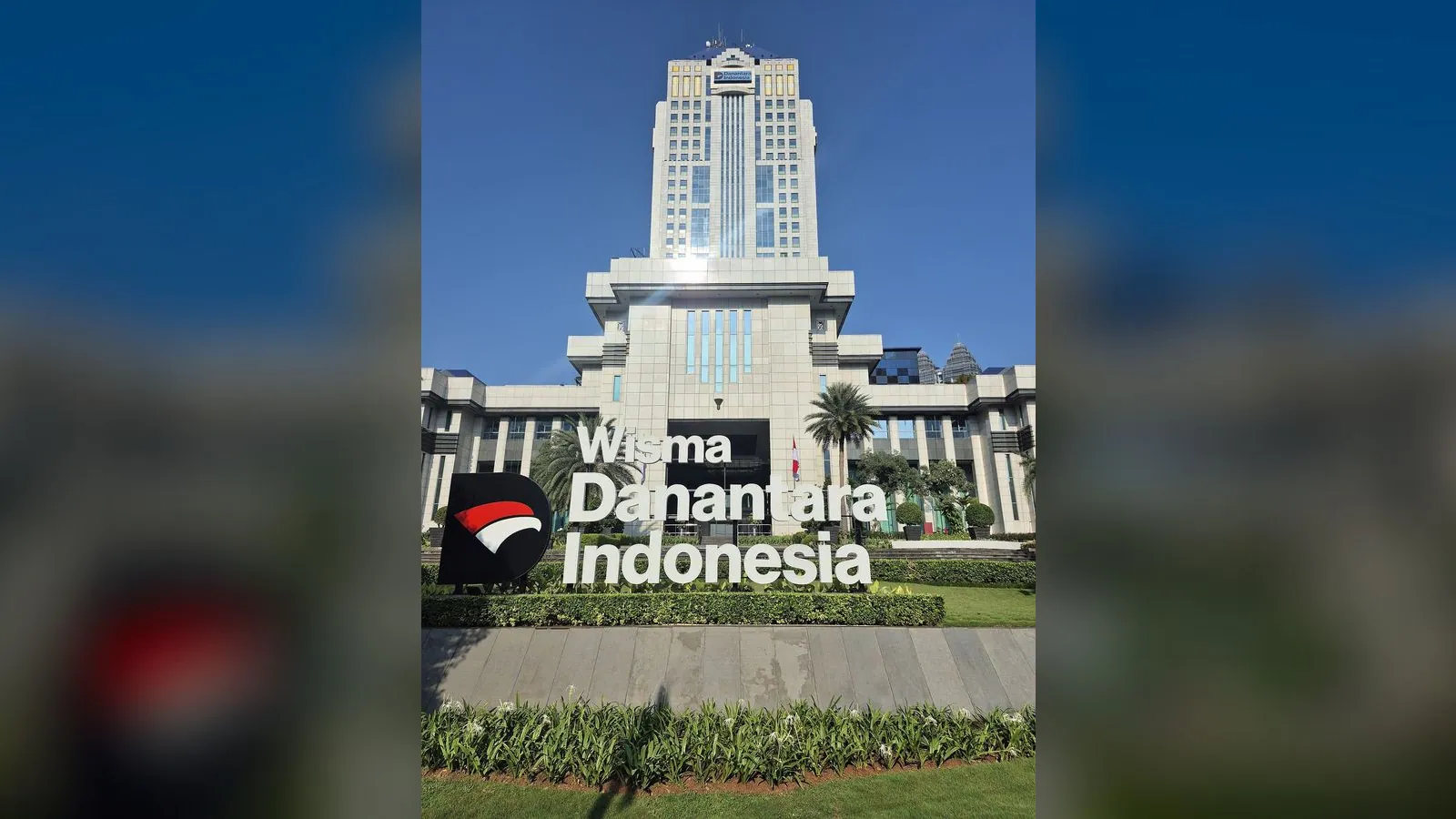
A viral Indonesian social-media post alleges that workers' old-age savings (JHT) are being borrowed to finance state investment agency Danantara and that taxpayers would have to reimburse its losses through the state budget. The claim has spread alongside authentic reports about a new government-managed severance reserve, but the available evidence does not establish the alleged transfer of JHT money or an automatic state guarantee.
The screenshot shared online says that JHT funds are being used as Danantara capital and that if the agency fails, the state budget (APBN) would bear the cost. It includes two media headlines about employers being required to move severance reserves to a government institution. Neither headline says that existing JHT balances have been transferred to Danantara.
The actual policy: a new severance reserve
Law No. 27 of 2026 on Labour Protection provides for a Dana Cadangan Pesangon (DCP), or severance reserve fund, that covered employers must maintain for potential payments to eligible employees after dismissal. The law calls for a government institution to manage the reserves. Micro and small businesses are exempt, according to descriptions of the law reported by Indonesian media.
The Ministry of Manpower has pointed to a transition deadline in October 2027, but the detailed government regulation governing contributions, deposits, payouts and oversight has not yet been issued. The institution responsible for running the new scheme has not been selected.
The aim is to make severance payments more reliable when a business faces financial difficulties. Employers would need to set money aside before a dismissal rather than wait until they have to pay a large sum at once. Whether that policy achieves its objective will depend on the final rules, enforcement and transparent management.
This is a significant policy change. It nevertheless does not establish the viral post's separate claim about the use of existing old-age savings.
Why JHT is not the same as severance pay
JHT is a social-security savings programme administered by BPJS Ketenagakerjaan. BPJS's published annual reporting explains that the employment social-security funds, including JHT, are managed separately for their respective obligations and benefits.
A severance reserve is different: it relates to funds an employer provisions to meet legal liabilities arising from termination of employment. JHT concerns accumulated social-insurance entitlements, while DCP concerns the employer's severance obligation.
The distinction matters for workers trying to assess the safety of their savings. A government plan to appoint a manager for severance reserves cannot, by itself, be used as evidence that BPJS has lent JHT funds to a separate state investment institution.
No loan agreement, official transfer record, or decision authorising JHT financing of Danantara was supplied in the viral screenshot. The reports shown in the image also do not document such a transaction.
What the ministry and Danantara have said
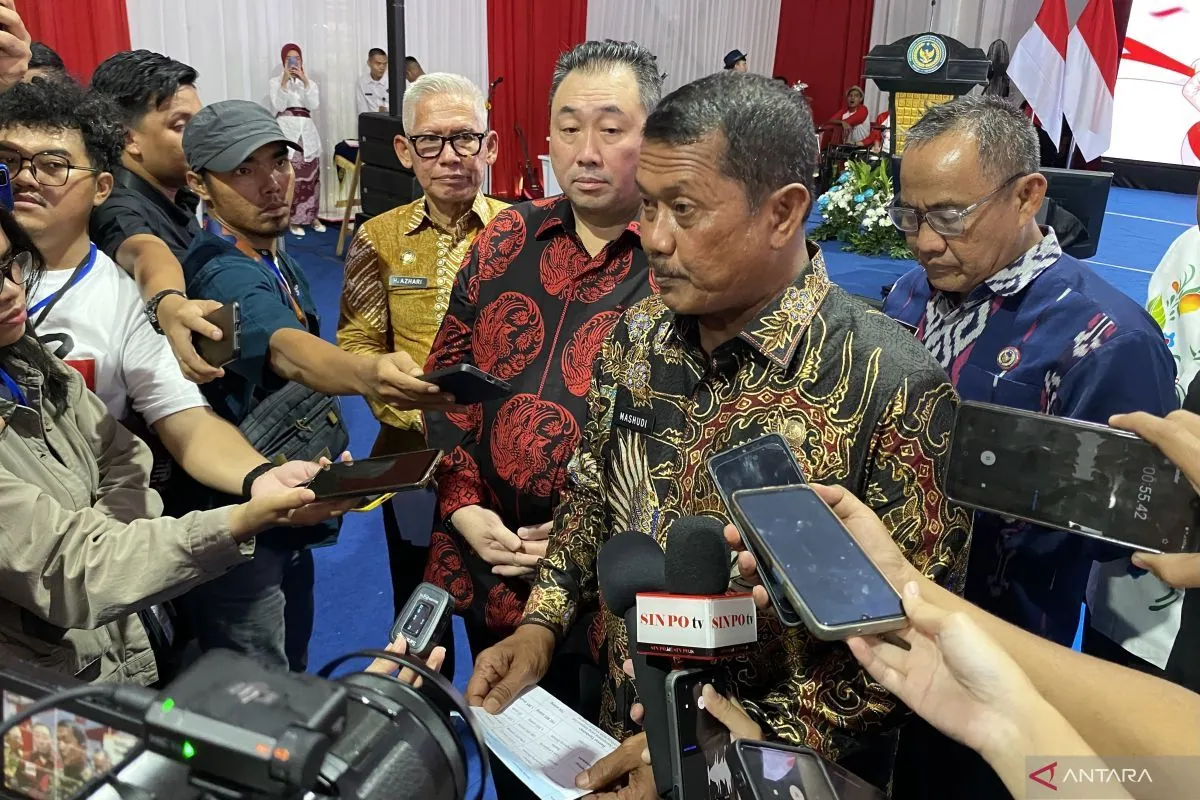
On November 15, the Ministry of Manpower said that the government had not appointed any organisation to manage the new severance reserve fund. Director-General Indah Anggoro Putri rejected reports that employers were already required to transfer DCP money to Danantara.
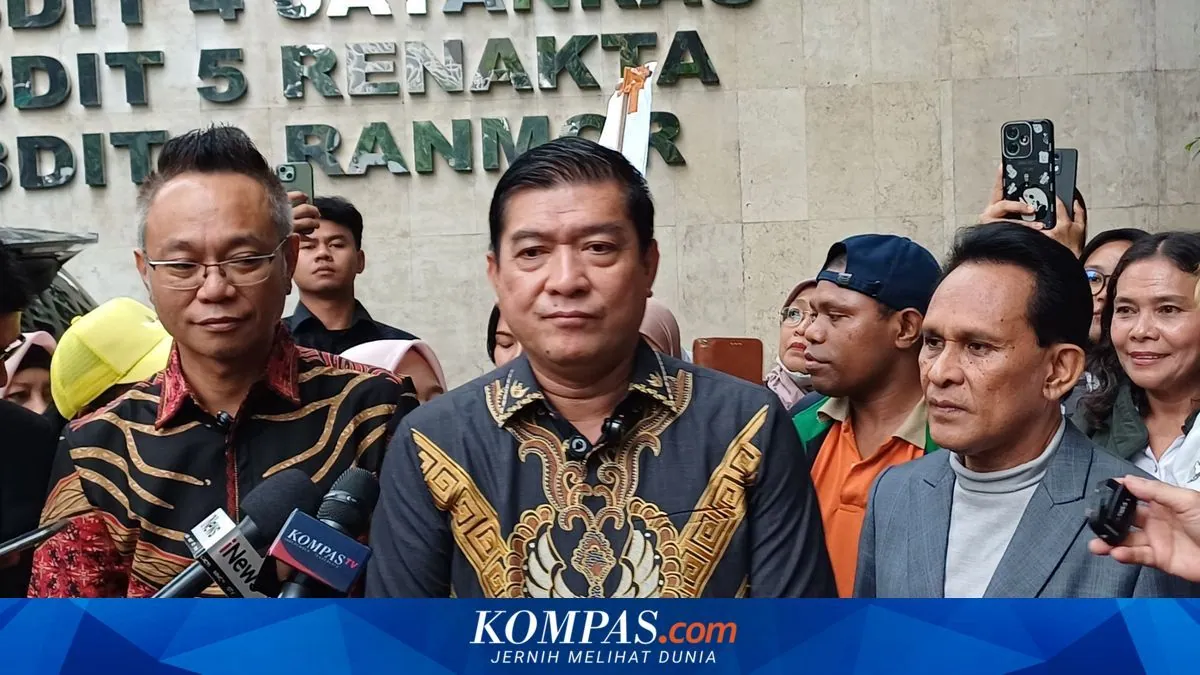
Danantara independently said it had received neither an assignment nor an appointment to administer the reserve. On 16 November, however, KSPI president and Labour Party leader Said Iqbal explicitly named Danantara as one of three possible future managers, alongside BPJS Ketenagakerjaan or a newly created institution. CNN Indonesia reported that he regarded Danantara as the most practical option, while Bloomberg Technoz quoted him as saying the president had not decided. Thus, a denial of an existing appointment must not be mistaken for proof that Danantara cannot be selected later. These statements are important because some earlier reports had identified Danantara as the manager even though the ministry's underlying remarks referred only to a government institution.
The denials concern whether Danantara has officially been appointed. They do not establish who might be chosen later. Until a formal designation and implementing regulation exist, claims that a particular organisation will control the fund remain speculative.
Most importantly, even the debate over the future DCP manager does not substantiate a claim that BPJS's existing JHT assets have already been borrowed.
Would Danantara's losses automatically be covered by APBN?
The post goes further by claiming that any losses incurred by Danantara would automatically be reimbursed using taxpayers' money. That is a much broader assertion than the financial framework supports.
The Finance Ministry's analysis of fiscal risks describes Danantara as a structure expected to absorb and manage risks from state enterprises before they affect the national budget. It explains that investment losses and contingent liabilities do not automatically have to become direct expenses of the APBN.
There are significant, documented fiscal questions. Government Regulation No. 19 of 2026 allows state capital injections into certain investment holding entities under Danantara, including resources originating from the APBN. The Finance Ministry's own 2026 budget documents recognise fiscal risk from state-enterprise assignments, state capital, loans and guarantees. The University of Indonesia's LPEM also warns that quasi-fiscal operations can create public exposure that does not appear directly on the government's balance sheet. These are specific reasons for scrutiny; simply describing the risk-management framework as a protective structure is not enough.
There are legitimate fiscal questions, however. Regulations can permit state capital support in specified circumstances, and economists have warned that contingent liabilities connected with state enterprises or investment holdings can create future pressure on public finances. A possible or discretionary budget contribution is not the same as a universal guarantee of all investment losses.
To substantiate the post's claim, one would need an actual guarantee provision or documented government commitment showing that the losses in question must be covered by the APBN. The screenshot provides neither.
What readers should check next
There are still unresolved questions about the severance reserve's contribution rates, custody, investment policy, accountability and safeguards for workers. The Ministry of Manpower has said the implementing rules will be developed with consultation involving employers, labour representatives and other stakeholders.
When those regulations appear, readers should examine the named manager, how money is kept separate from the institution's own assets, how workers make claims, and who ultimately bears any shortfall. Those are concrete questions that can be answered with the published legal text.
For the viral JHT allegation, the relevant evidence would be BPJS disclosures, contracts, decisions or audited financial statements specifically identifying a transfer or loan to Danantara, rather than an unrelated headline about severance reserves.
Assessment: The specific loan and automatic-bailout allegations are unverified; public-finance risks remain substantive. The new requirement to set aside severance reserves is real. But the posts' claims that existing JHT savings have been lent to Danantara and that every Danantara loss must automatically be paid by the state budget are not demonstrated by the material presented.
Sources
- 1.ANTARA: Government has not appointed severance reserve manager, 15 Nov, antaranews.com
- 2.CNN Indonesia, 16 Nov: Labour Party's Said Iqbal proposes Danantara, cnnindonesia.com
- 3.Bloomberg Technoz, 16 Nov: Three options for severance manager, bloombergtechnoz.com
- 4.Indonesian Finance Ministry 2026 fiscal risk assessment, media.kemenkeu.go.id
- 5.LPEM FEB UI Indonesia Economic Outlook 2027, lpem.org
- 6.BBC Indonesia: PP 19/2026 and Danantara state capital support, bbc.com
- 7.Danantara statement as reported by CNN Indonesia, cnnindonesia.com