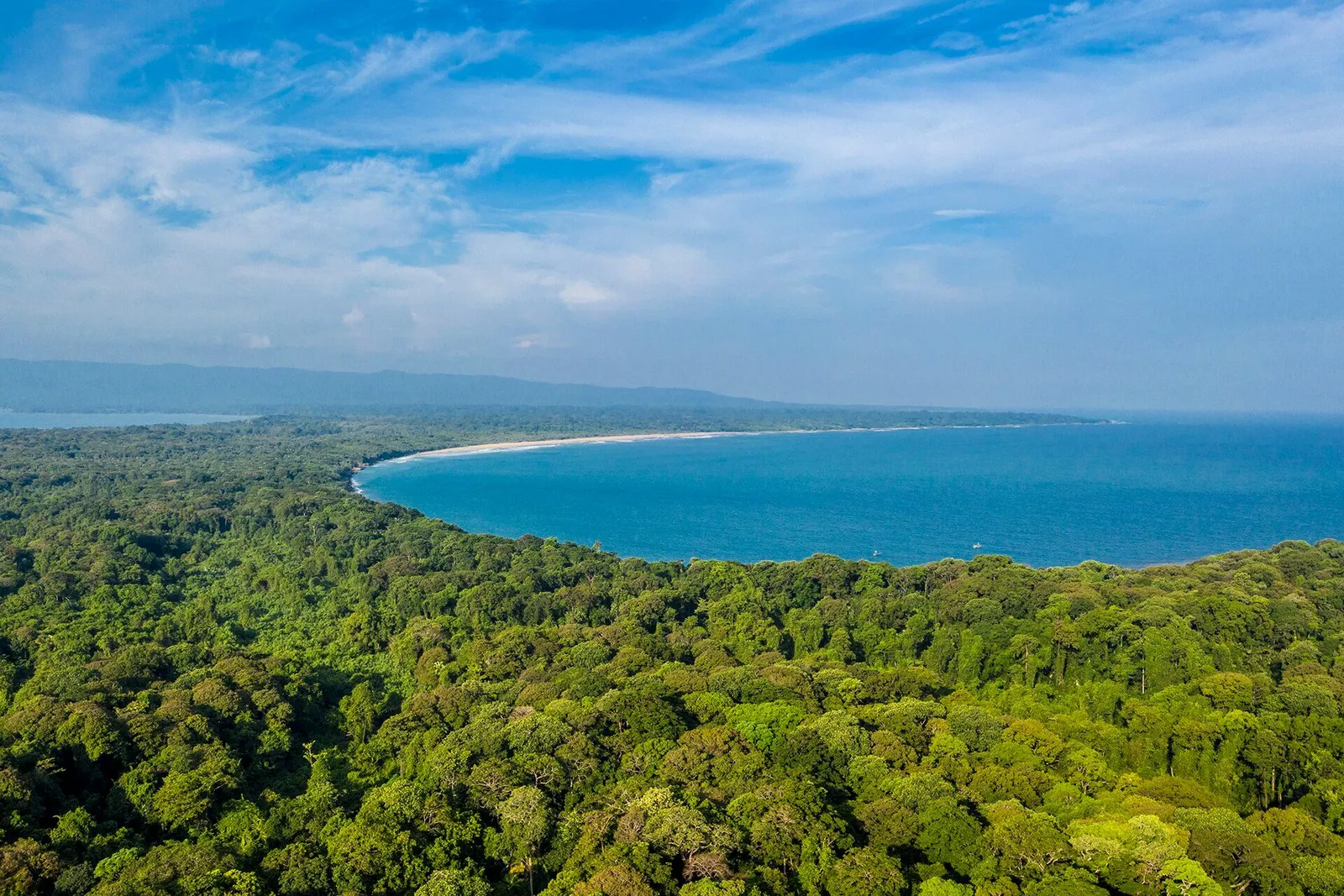
A viral post suggests a proposal to move Javan rhinoceroses from Ujung Kulon National Park is designed to clear the way for gold mining. The allegation has attracted attention because a former gold mine operated near the park and a 2026 government decree designates mining areas in Banten. But the evidence establishes neither a plan to mine inside the park nor a causal connection between rhino relocation and mineral interests.
What is circulating?
A November 15 post shared by Lambe Saham claims that PT Cibaliung Sumberdaya (CSD), an ANTAM subsidiary, mined gold in Pandeglang from 2010; that operations ended in 2020 after the ore ran out; that mining could expand into Ujung Kulon if its national-park status disappeared after rhinos were moved; and that Ujung Kulon contains gold comparable to Freeport. These are separate claims and require separate evidence. The post itself describes the narrative as a “wild theory.”
A real mine, but an inaccurate shutdown date
ANTAM's 2022 annual report identifies CSD as its subsidiary with a mining permit in Cibaliung, Banten, and says that permit had been revoked while the company was lodging an objection. Reporting by Katadata on November 16 says CSD operated a roughly 1,340-hectare site east of the national park, began production in 2010 and entered post-mining operations in 2021. Other reporting places the end of production in May 2022. These accounts do not substantiate the viral assertion that the mine closed in 2020 solely because gold was exhausted. The exact operational milestones should be distinguished from permit revocation and post-mining activities.
A mine outside a national park is not evidence of a permit to mine inside it. A company's attempt to restore a revoked permit is also not evidence that the company intends to enter protected land.
Does moving rhinos erase national-park protection?
No automatic mechanism has been shown. National-park designation is a legal land-status decision, not a status that simply expires when a species is relocated. On November 16, the Forestry Ministry explicitly said that exploration of a second habitat would not change Ujung Kulon's protected function. The ministry said the Alas Purwo idea remains under scientific review, with no approved technical plan, number of animals, method or timetable.
The government says a second habitat could reduce the risk that a single disaster affects the entire remaining Javan rhino population. That explanation deserves independent scientific scrutiny, particularly concerning habitat suitability, transport risks and whether protecting the existing habitat would be more effective. The ministry's assertion alone does not settle those policy questions.
Is there gold “equal to Freeport”?
The geological presence of gold near Cibaliung does not establish the size or commercial viability of deposits inside Ujung Kulon. The Forestry Ministry says estimates require verifiable geological data and assessment by the Geological Agency. No publicly substantiated resource or reserve estimate supporting the “Freeport-sized” comparison was identified in the sources reviewed. The comparison is therefore unverified, not a finding.
Why the 2026 mining map still matters
Energy Ministry Decree 65.K/MB.01/MEM.B/2026, dated February 12, defines mining areas in Banten. The decree's abstract distinguishes mining business areas, community mining areas and state reserve areas. Reporting on its map says waters around Ujung Kulon fall within a mining business area. This is a serious planning and oversight question, but the designation is not itself an operating licence and does not demonstrate extraction within the national park.
Environmental group WALHI has publicly questioned whether the relocation proposal might conceal a mining interest. Its concern warrants a documented response, but suspicion is not proof of a coordinated plan.
What authorities should disclose
A meaningful answer requires the full georeferenced mining map, any applications or proposed concessions near Ujung Kulon, the status and boundaries of CSD's revoked permit, environmental assessments, and the independent scientific case for selecting Alas Purwo as a possible second habitat. These records would allow the public to test official assurances rather than simply accept them.
Assessment: The historical Cibaliung mining operation and the new Banten mining-area decree are documented. The alleged automatic loss of national-park status, a Freeport-scale gold reserve, and a plan to move rhinos for mining have not been substantiated. News WLD will update this assessment if verifiable records emerge.
Sources
- 1.ANTAM annual report 2022, antam.com
- 2.Forestry Ministry statement, 16 Nov 2026, kehutanan.go.id
- 3.Energy Ministry decree 65.K/MB.01/MEM.B/2026, jdih.esdm.go.id
- 4.Katadata investigation 16 Nov 2026, katadata.co.id
- 5.WALHI concern reported by RMOL, rmol.id
- 6.ANTAM permit and operations reported by Portal Energi, portalenergi.id