The United States and nine partners signed a declaration to coordinate security for the technologies and critical infrastructure underpinning artificial intelligence, Reuters reported on November 16, citing the US State Department.
Participants and priorities
The signatories are the United States, Australia, India, Israel, Japan, South Korea, Qatar, Singapore, the United Arab Emirates and the United Kingdom. The San Francisco Declaration links economic security with national security and identifies AI supply chains as an area for joint action.
Working groups are planned on AI policy, adoption, supply chains, security hubs and resilience. The initiative follows Washington's Pax Silica programme, which seeks to strengthen access to semiconductors, critical minerals and other inputs essential to advanced computing.
What is confirmed and what is not
The declaration confirms a political commitment to cooperation. It does not mean all participating countries have enacted identical export controls or completed joint infrastructure investments. The implementation timetable, funding and enforcement mechanisms will determine its practical effect.
Global significance
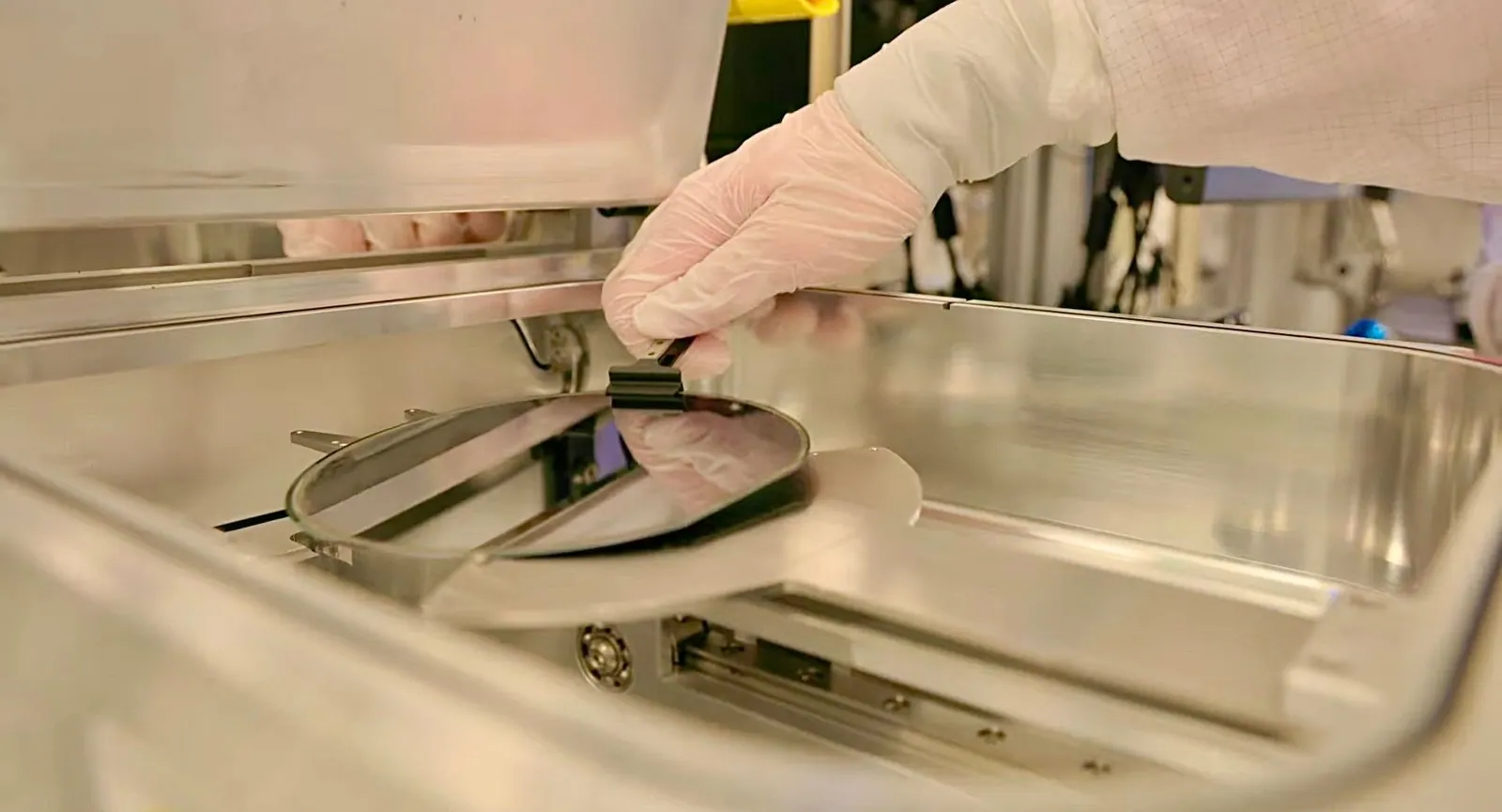
Advanced AI systems rely on internationally distributed chip production, manufacturing equipment, power, data centres and minerals. Disruptions in any of those links can affect the wider industry. The agreement also reflects strategic competition between Washington and Beijing over the rules and supply chains governing AI.
The next measure of progress will be concrete projects and policy changes rather than the declaration alone.