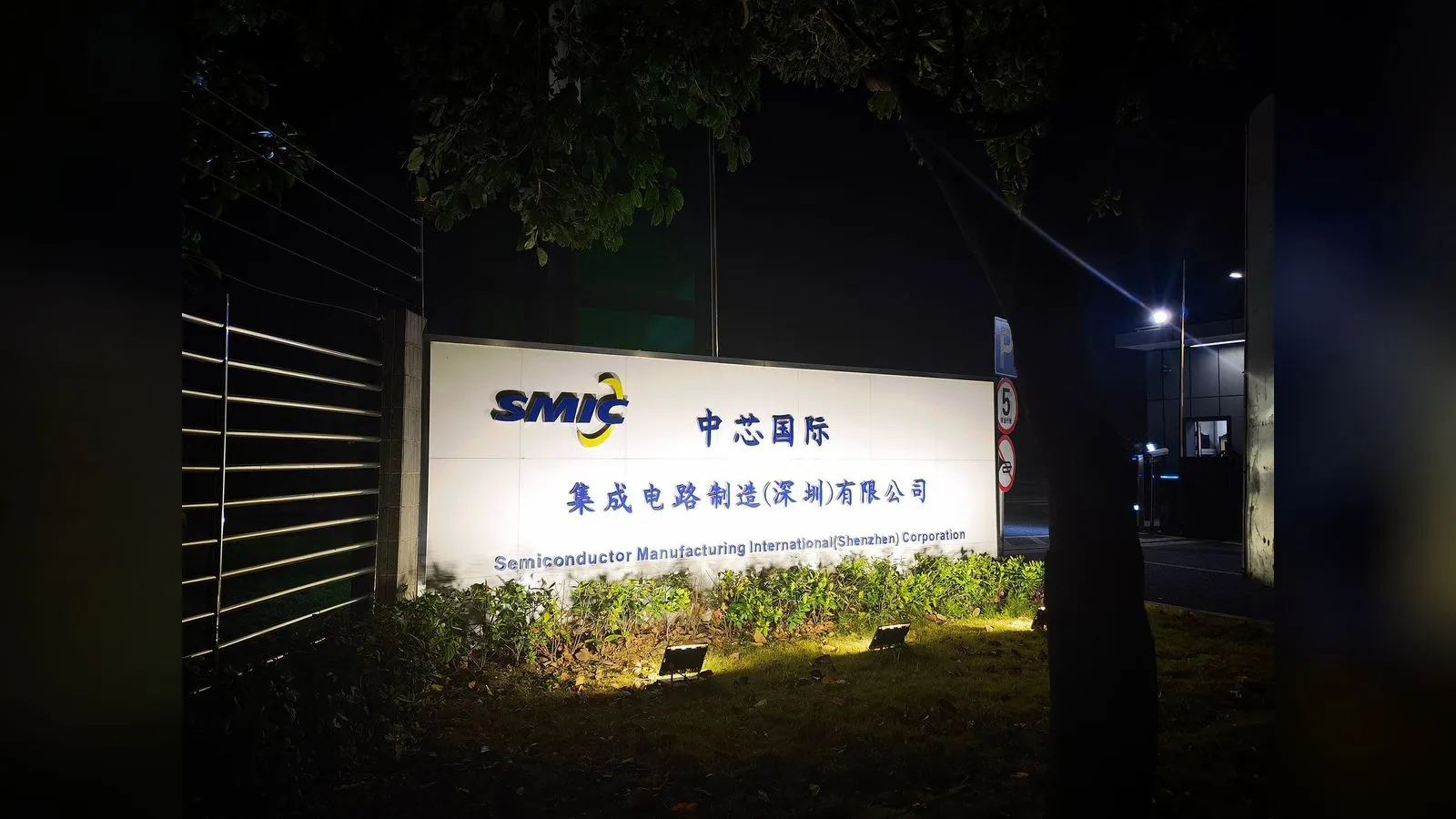
China's largest contract chipmaker, Semiconductor Manufacturing International Corp (SMIC), expects demand tied to artificial intelligence to keep parts of the semiconductor supply chain under pressure through 2027, even as investors debate whether the industry's expansion can be sustained.
Co-chief executive Zhao Haijun set out the outlook on November 13 in response to a question about a possible AI investment bubble. Reuters reported that he described the industry as being at an early stage, with many customers still unable to obtain all the computing capacity they want.
The remarks came a day after SMIC reported rising revenue and profitability in its third-quarter results, offering a concrete view of how the data-centre expansion is filtering through parts of the chip manufacturing business.
Demand reaches beyond top-end AI processors
The AI boom is commonly associated with the most advanced accelerators used to train large language models. But data centres also require power management, networking, controllers and other supporting chips. Manufacturers operating older or more established semiconductor processes can therefore benefit from expanding infrastructure even if they do not produce the most advanced AI processors themselves.
SMIC specialises in contract manufacturing: customers design chips, and the foundry fabricates them. That business model means its financial results depend on customer orders, manufacturing capacity, utilisation and pricing across many product categories.
In its report for the three months ended September 30, the company recorded revenue of $3.19 billion, up from about $2.38 billion a year earlier. Gross profit reached $953.2 million, compared with $522.8 million in the prior-year quarter. Its gross margin rose to 29.9%, from 22.0%.
Those results show stronger recent operations. They do not, by themselves, prove that AI demand will continue to rise at the same pace for several years.
Capacity expansion is not instantaneous
Zhao told analysts that demand from data centres and private clouds should keep the supply chain tight through 2027. He also expected memory-chip supply and demand to move closer to balance around the middle to end of 2028.
That is the company's forecast, not a guaranteed industry outcome. The outlook could change if customers reduce infrastructure spending, new factories come online faster than expected, or demand shifts between chip types.
Expanding semiconductor production can take years. Equipment is expensive, facilities are complex and new capacity must be qualified before it can produce chips reliably.
Reuters reported Zhao saying some equipment purchases face lead times exceeding 24 months, potentially affecting the timing of capital expenditure. The company also expects depreciation costs to rise, reflecting the expense of investments already made in manufacturing assets.
High utilisation may support revenue in the short term, but it can leave less room to handle a sudden increase in orders or an interruption in equipment supply.
What the figures mean for the industry
SMIC's quarterly results suggest that demand is reaching manufacturers beyond the firms associated with leading-edge AI chips. The company also reported stronger manufacturing utilisation and increased production, indicating that customers are keeping facilities busy.
For technology buyers, tight supply can translate into longer delivery schedules or less flexibility when sourcing components. For chip designers, it can make capacity planning as important as product design.
For investors, the central distinction is between evidence of present demand and forecasts about future supply. A profitable quarter and a constructive outlook are relevant, but neither eliminates the risk of overinvestment.
What to watch next
The next tests will be whether orders remain strong through 2027, whether equipment deliveries improve and whether memory shortages ease on the timeline Zhao described.
AI infrastructure involves many interdependent technologies. SMIC's comments highlight that expanding computing power is also a test of the wider industrial supply chain, not only a race to create faster processors.