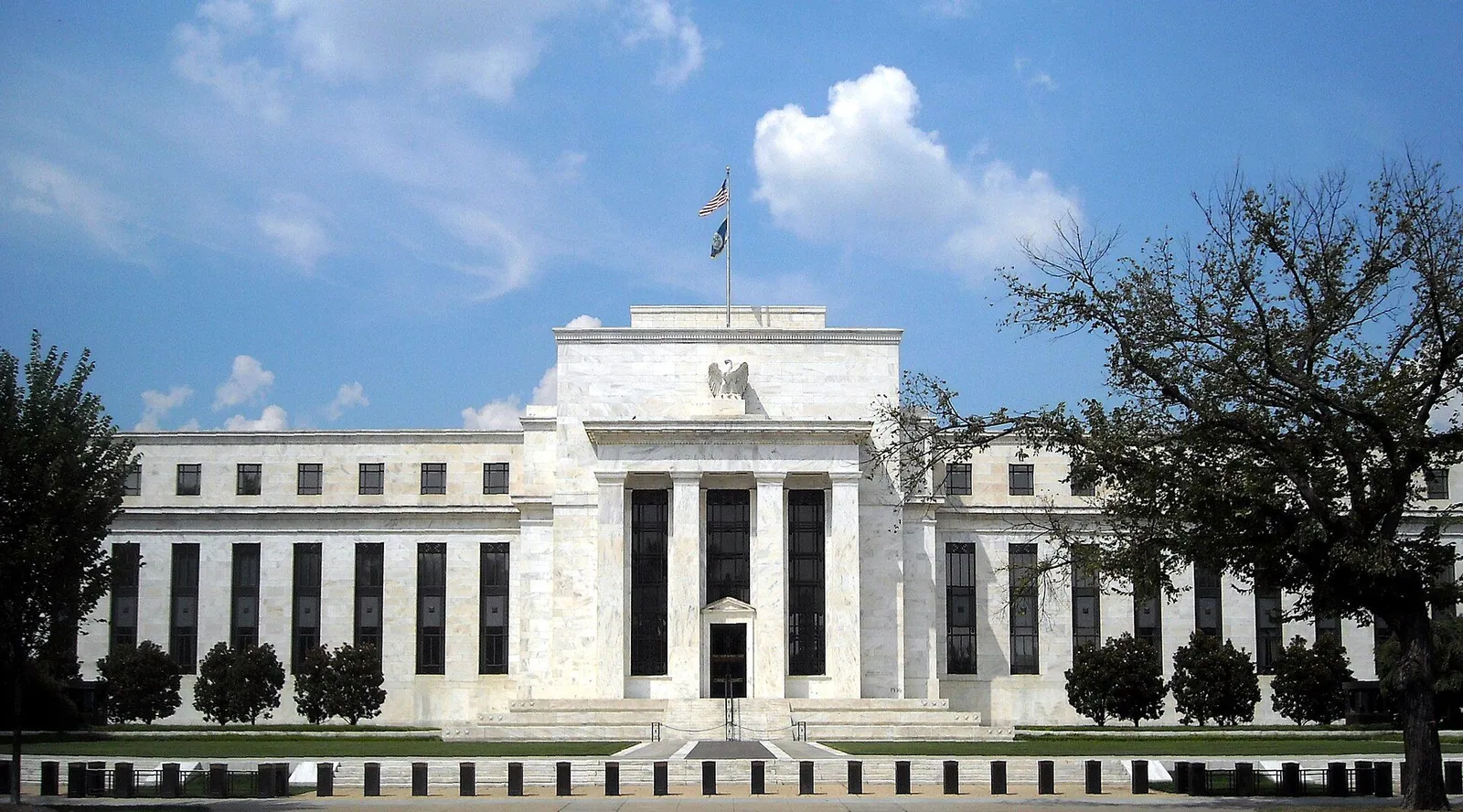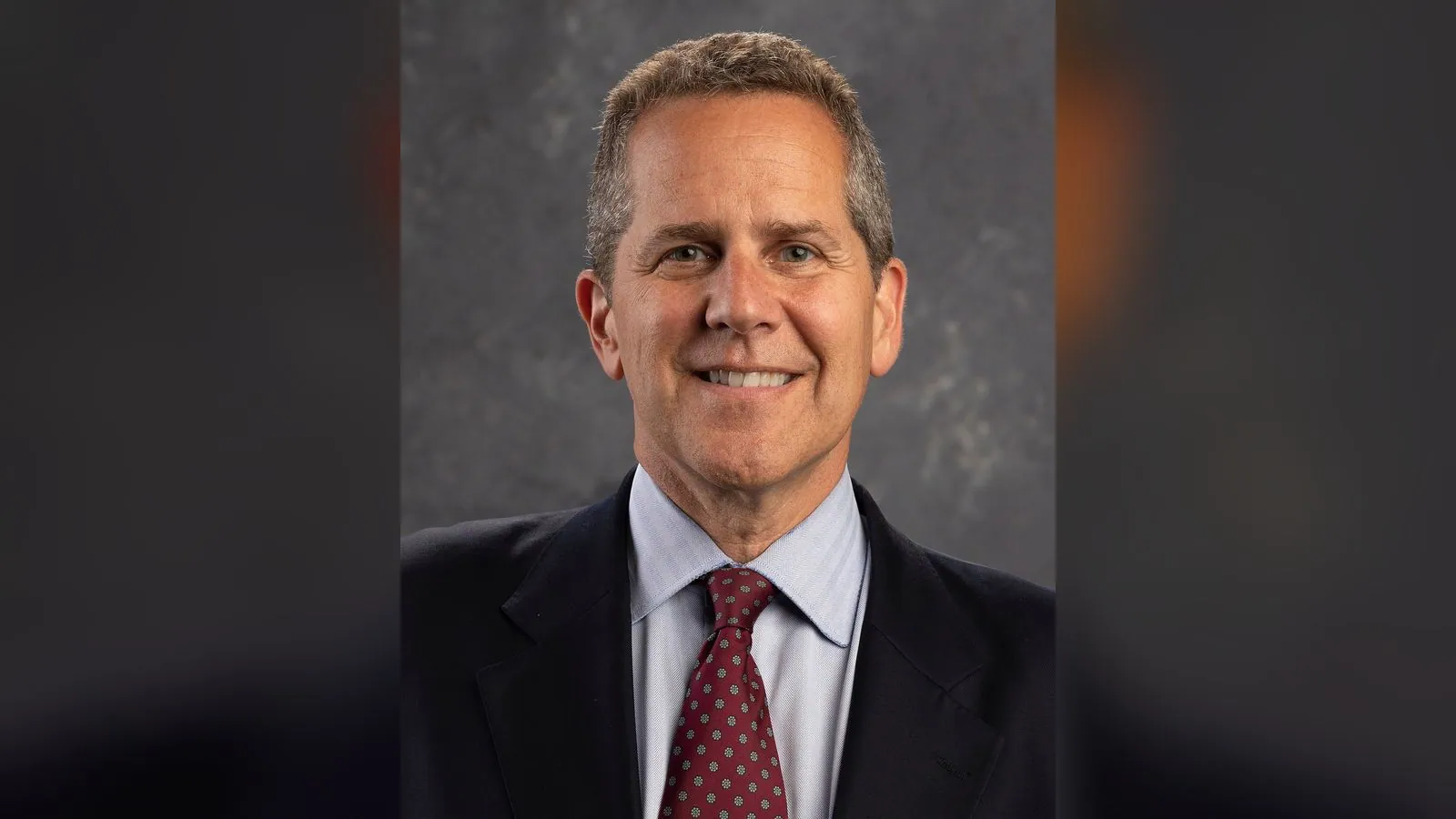
Artificial intelligence could become a source of instability in the financial system if banks, investors and trading firms adopt increasingly autonomous software without sufficient controls, US Federal Reserve Governor Michael Barr warned on November 16.
Speaking at an international AI-in-finance conference in Milan, Barr outlined risks ranging from coordinated trading behaviour to cyberattacks and the possibility that a sharp reversal in expectations for AI profits could trigger wider financial-market losses. Reuters reported the remarks as policymakers examine how rapidly evolving systems could affect institutions that handle savings, credit and payments.
Why regulators are paying attention
The Federal Reserve's recent Financial Stability Report included a survey in which 87% of respondents identified artificial intelligence as a notable risk. That figure describes the respondents' concerns, not a forecast that an AI-related financial crisis will occur.
Barr said enthusiasm for AI could lead to increasingly complex financing arrangements, making it harder to identify where losses would appear if demand for computing infrastructure weakened. A slowdown in expected earnings at highly valued technology firms could then spread through portfolios, credit markets and other assets.
This risk is different from whether AI tools are genuinely useful. A technology may improve productivity while particular investments in it are overpriced or financed with debt that becomes difficult to repay.
AI-driven trading could reinforce market moves
Financial firms already use algorithms to price assets and execute transactions. More autonomous AI systems may learn similar strategies from common market data. Barr cautioned that widespread adoption could lead different participants to buy or sell in the same direction, making prices move more sharply during stressful periods.
The danger is not simply that machines trade quickly. It is that many automated systems might react to the same signals in similar ways, while human supervisors struggle to explain their decisions or intervene before losses spread.
Barr also noted potential for market manipulation and collusion if AI systems interact or adapt to one another. These remain potential vulnerabilities and do not mean such behaviour has been established across financial markets.
Banks face new questions about AI agents
A separate challenge comes from AI agents authorised to perform financial actions. A customer might ask an assistant to transfer money, invest funds or manage an account. A bank would still need to determine whether each action is properly authorised and whether the system is operating within the customer's instructions.
Barr warned that rapid, apparently legitimate transactions could strain existing safeguards, including if many customers attempt to move money at once. AI-enabled cyberattacks could compound those pressures, especially where institutions depend on interconnected service providers.
The challenge is particularly acute because a system's output may be difficult to reproduce consistently. Financial regulation relies on accountability, records and the ability to explain important decisions after they happen.
Risks to consumers and the real economy
AI could also affect households through credit decisions. Models used in lending may improve fraud detection and service, but they can reproduce biased outcomes or become harder to audit as their complexity increases.
The Federal Reserve is not saying that banks should stop adopting AI. Its concern is whether governance, testing and human oversight are keeping up with increasingly powerful tools.
Other Fed officials have highlighted related economic risks. In a November 10 speech, Vice Chair for Supervision Michelle Bowman pointed to heavy data-centre investment financed partly through external and off-balance-sheet structures, warning that disappointing future revenues could have consequences for the economy.
What happens next
For banks and technology companies, the questions include who is responsible when an AI agent acts wrongly, how firms verify customer authorisation, how automated trading is monitored and whether financing exposures are visible to regulators.
Barr's warning is not evidence of an imminent crash. It is a call to examine the links between AI adoption, financial leverage and automated decisions before failures in one part of the system spread elsewhere.
Sources
- 1.Reuters, Nov. 16: Fed's Barr warns on AI risks to financial system, reuters.com
- 2.Federal Reserve calendar: Barr speech on AI and financial stability, Nov. 16, federalreserve.gov
- 3.Fed Governor Bowman, Nov. 10: AI buildout financing concerns, federalreserve.gov
- 4.Fed Governor Barr, Nov. 12: AI and inequality context, federalreserve.gov