Key points
- The dollar index reached its highest level since April 2025 on 13 November, CNBC reported, after its best week since early October.
- The 10-year US Treasury yield traded around 5.13% to 5.15% as traders weighed producer price data.
- Markets priced roughly an 87% chance of a quarter-point Fed rate rise in December, according to CNBC.
- The rupiah traded around Rp18,100 to Rp18,200 per dollar in November; Bank Indonesia held its rate at 5.75% in October.
The US dollar is strengthening again. On Friday, 13 November, the dollar index, which measures the currency against six major peers, reached its highest level since April 2025, CNBC reported, capping its best week since early October. The 10-year Treasury yield traded around 5.13% to 5.15% as investors digested a report on producer prices.
For Indonesia, the move shows up in the exchange rate. The rupiah traded around Rp18,100 to Rp18,200 per dollar in the first half of November, according to Bank Indonesia's reference rates and Kontan's data. The official JISDOR reference rate stood at Rp18,130 on 6 November.
Here is the chain that links a decision in Washington to prices in Jakarta.
Step 1: The Fed is expected to raise rates again
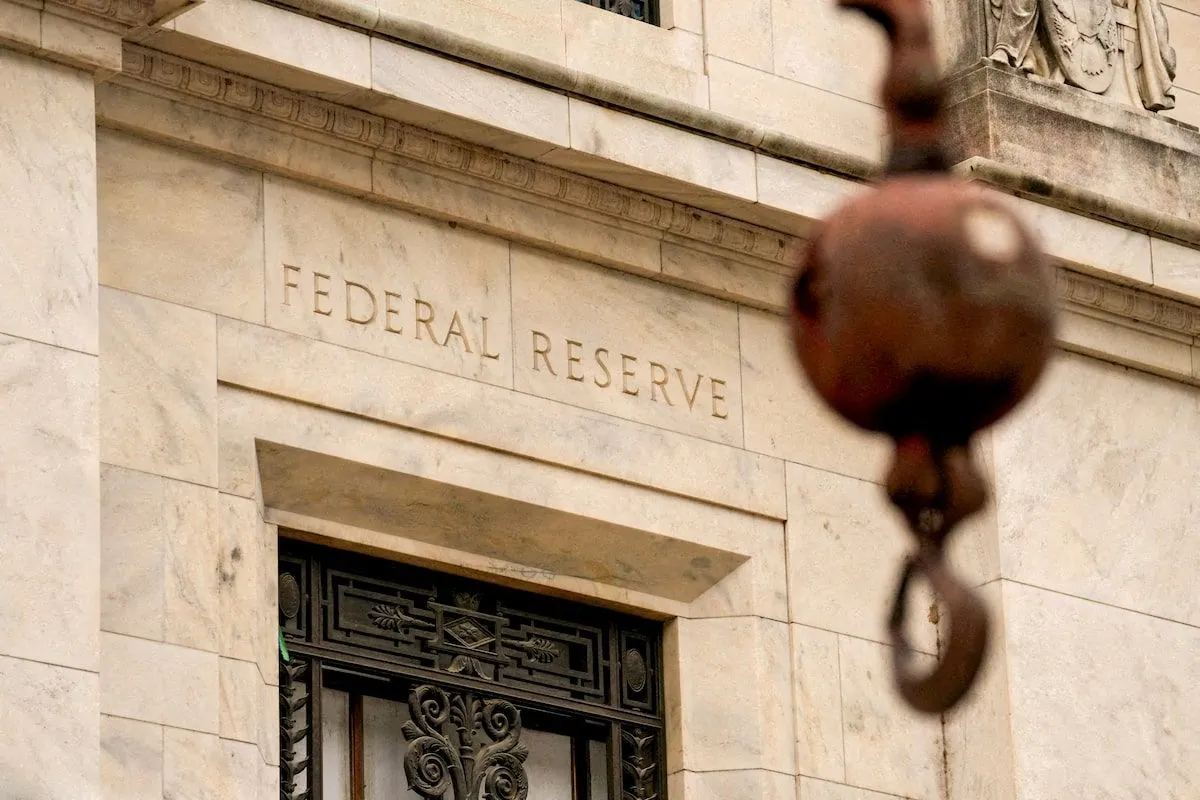
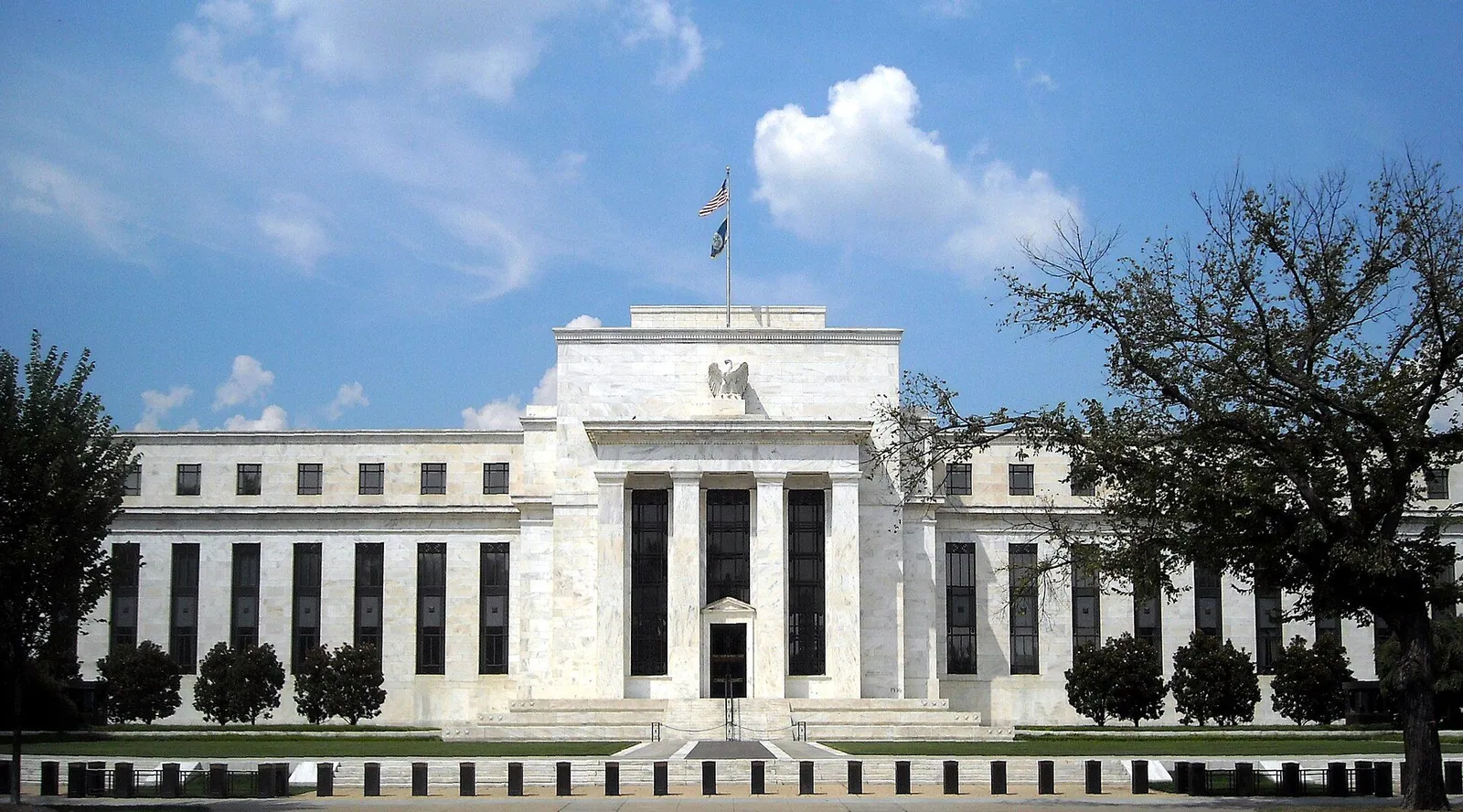
The Federal Reserve raised its benchmark rate by a quarter point in September, to a range of 3.75% to 4.00%, and held it there at its meeting on 27 and 28 October. That October decision was not unanimous: two policymakers, Lisa Cook and Beth Hammack, dissented because they wanted another increase, the Fed's statement shows.
Since then, hotter than expected inflation figures and strong October job numbers have strengthened the case for a further rise. Traders put the odds of a quarter-point increase in December at close to 87%, CNBC reported on 13 November.
Step 2: Higher US rates pull money into dollars
When investors expect US interest rates to stay high or rise, US government bonds pay more. The 10-year yield above 5% means a lender to the US government earns more than 5% a year in dollars, with very little risk of default. Global funds that compare returns across countries move some money into those bonds, and to buy them they need dollars. That demand lifts the dollar's price against other currencies.
Step 3: Emerging market currencies weaken
The same flows can leave emerging markets. If a fund can earn more than 5% in safe US bonds, Indonesian bonds and stocks have to offer more to keep its money. When some of it leaves, investors sell rupiah to buy dollars, and the rupiah weakens. The pressure is not unique to Indonesia; many Asian currencies tend to fall when US yields jump.
Step 4: Bank Indonesia leans against the move
Bank Indonesia has several tools. It raised its policy rate by a quarter point in June, to 5.75%, and kept it there at its meeting on 20 and 21 October, with the deposit facility at 5.00% and the lending facility at 6.50%, according to the central bank. It can also sell dollars from its reserves to smooth sharp swings. Higher Indonesian rates make rupiah assets more attractive, but they also make loans more expensive for households and businesses at home, so the bank has to balance currency stability against growth.
The ripple across other markets
A rising dollar and higher US yields tend to move other assets at the same time. Gold, which pays no interest, often struggles when safe bonds pay more; it fell about 2.5% on the day the 10-year yield topped 5%, according to a market briefing by The Rio Times. Stock markets that rely on foreign money can wobble, and commodities priced in dollars become more expensive for buyers holding other currencies. On our intelligence pages, these knock-on moves are shown alongside the move that triggered them, so readers can follow the chain from one market to the next.
What it means for people in Indonesia
A weaker rupiah makes imported goods dearer. Indonesia buys fuel, wheat, soybeans, electronics and industrial parts from abroad, so a stronger dollar can feed through to prices of bread, noodles, tofu and phones over time, and it raises the cost of energy subsidies in the state budget. Companies and the government that borrowed in dollars need more rupiah to repay. Exporters, on the other hand, earn more rupiah for every dollar of sales, which helps producers of coal, palm oil and nickel.
For savers, higher rates can mean better returns on deposits and government bonds, though borrowers face higher instalments if rates keep rising.
What to watch next
The next big signal is the Fed's December decision and the inflation data before it. If US inflation cools, expectations of a hike could fade, US yields could ease and pressure on the rupiah could lift. If inflation stays high, the dollar may stay strong. Bank Indonesia's next policy meeting, and whether it raises rates again, will show how worried it is about the currency.
This article explains market mechanisms and is not investment advice.
Sources
- 1.CNBC: Stock market news for Nov. 13, 2026, cnbc.com
- 2.CNBC: 10-year Treasury yield moves to 5.15% as traders weigh producer price report, cnbc.com
- 3.Federal Reserve: FOMC statement, 28 October 2026, federalreserve.gov
- 4.Federal Reserve: FOMC statement, 16 September 2026, federalreserve.gov
- 5.Bank Indonesia: JISDOR reference rate, bi.go.id
- 6.Kontan: Kurs Bank Indonesia USD/IDR, pusatdata.kontan.co.id
- 7.Bank Indonesia: BI-Rate tetap 5,75%, bi.go.id
- 8.Stocktwits: What shaped US Treasury yields and the dollar in the week ended November 13, stocktwits.com
- 9.The Rio Times: US 10-year yield tops 5% as gold drops 2.5%, riotimesonline.com