Ten reported capital-market sanctions raise questions about manipulation, corporate disclosure and whether ordered repayments ever reach investors.
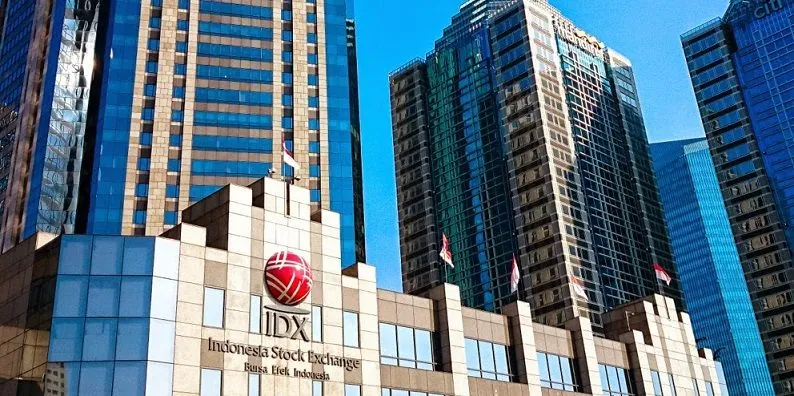
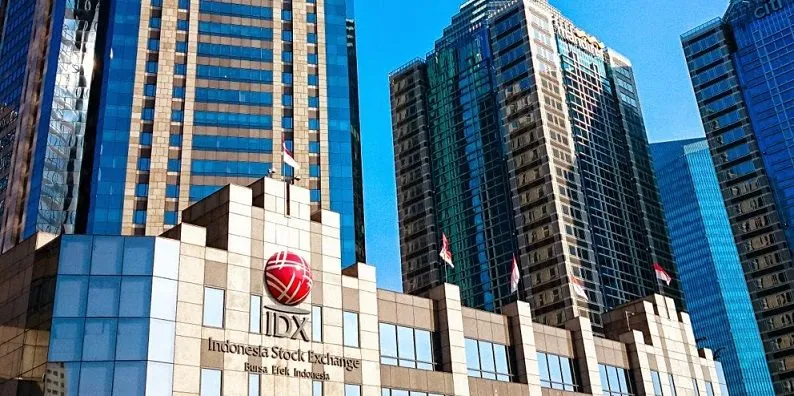
Indonesia's Financial Services Authority (OJK) has imposed sanctions in ten capital-market cases, according to OJK's 21 November 2026 official statement and independent reporting. Three concern alleged market manipulation established in OJK's administrative examinations. The reported order to return Rp23.77 billion in unlawful gains is significant, but it must not be confused with money already recovered for investors or the state. The same reporting puts administrative fines at Rp3.71 billion. The official OJK press release has now been located and corroborates the headline enforcement figures. Individual administrative decisions and any responses or appeals from sanctioned parties have not been independently examined.
What the sanctions actually mean
CNBC Indonesia and Pasardana report that OJK examined trading in Grand House Mulia (HOMI), Saraswanti Anugerah Makmur (SAMF) and Suryamas Dutamakmur (SMDM). In HOMI, transactions between March and July 2023 allegedly involved 15 securities accounts and created misleading impressions of trading activity. The reported unlawful gains were Rp6.89 billion. OJK reportedly ordered restitution, account closures and activity bans of varying duration.
For SAMF, the reports describe trades in May 2021 and Rp12.55 billion in gains to be returned by several parties. For SMDM, trading in September and October 2022 was associated with Rp4.32 billion in gains. These are regulator findings and administrative measures as reported, not a declaration that every named person has been convicted in criminal court. The individuals and companies retain applicable rights to challenge decisions. The public needs to know whether appeals are lodged and what the final outcomes are.
Other disclosure and governance breaches
The remaining cases concern obligations that are less dramatic than price manipulation but matter to investors. The reporting describes sanctions over disclosure of a material legal matter at Indosterling Technomedia (TECH), material transaction procedures at Karya Bersama Anugerah (KBAG), and related-party procedures at Garudafood (GOOD) and Mark Dynamics (MARK). It also cites treasury-share transfer obligations at Steel Pipe Industry of Indonesia (ISSP), public-share transfer requirements at Semen Indonesia (SMGR), and reporting and audit issues at Anugerah Kagum Karya Utama (AKKU).
Disclosure is not an administrative technicality. Investors value companies using information about legal exposure, assets, related-party dealings and ownership. When material information is delayed or incomplete, ordinary shareholders may trade on an unequal footing. Yet a regulatory fine does not, on its own, quantify any particular retail investor's loss. Such losses require separate evidence.
Restitution is not recovery
The most consequential distinction is between an order and its execution. According to the reports, OJK explicitly said the Rp23.77 billion was the value of unlawful gains ordered to be returned, not an amount already collected. Publishing the figure without that qualification would overstate enforcement results.
Several questions remain open: Who receives the money if recovered? What mechanism identifies eligible injured investors, if any? What deadlines and collection powers apply? How much has been paid, contested or written off? Neither the reported headline amount nor the existence of a sanction answers those questions. Administrative fines and disgorgement orders should also be accounted for separately; adding them together as recovered public money would be misleading.
A longer-running enforcement effort
The cases arrive amid a wider enforcement campaign. In an official release dated 23 October 2026, OJK said it had imposed Rp2.52 trillion in total capital-market fines through 16 October, including fines for late compliance, and identified 122 cases at different stages as of 1 October. These older cumulative figures should not be added mechanically to the newly reported November sanctions because reporting periods and categories may overlap.
The authority has also said it is pursuing stronger ownership transparency, improved market surveillance and reforms intended to strengthen investor confidence. Those objectives are plausible public benefits. Their effectiveness, however, is measured by whether violations decline, disclosures improve and sanctions are enforceable, not merely by the number or size of announcements.
Who is affected, and what remains unverified
Retail investors, pension funds and other institutions all depend on fair price discovery. Companies that follow disclosure rules also face a competitive disadvantage if violations go unchecked. Enforcement may deter abuse, while poorly explained sanctions can leave investors uncertain about the rules and their remedies.
News WLD has reviewed OJK's 21 November press statement and independent reports. The underlying individual administrative orders, subsequent compliance records and responses from sanctioned parties remain unavailable for this review. Those limitations mean recovery, appeals and final procedural outcomes cannot yet be established.