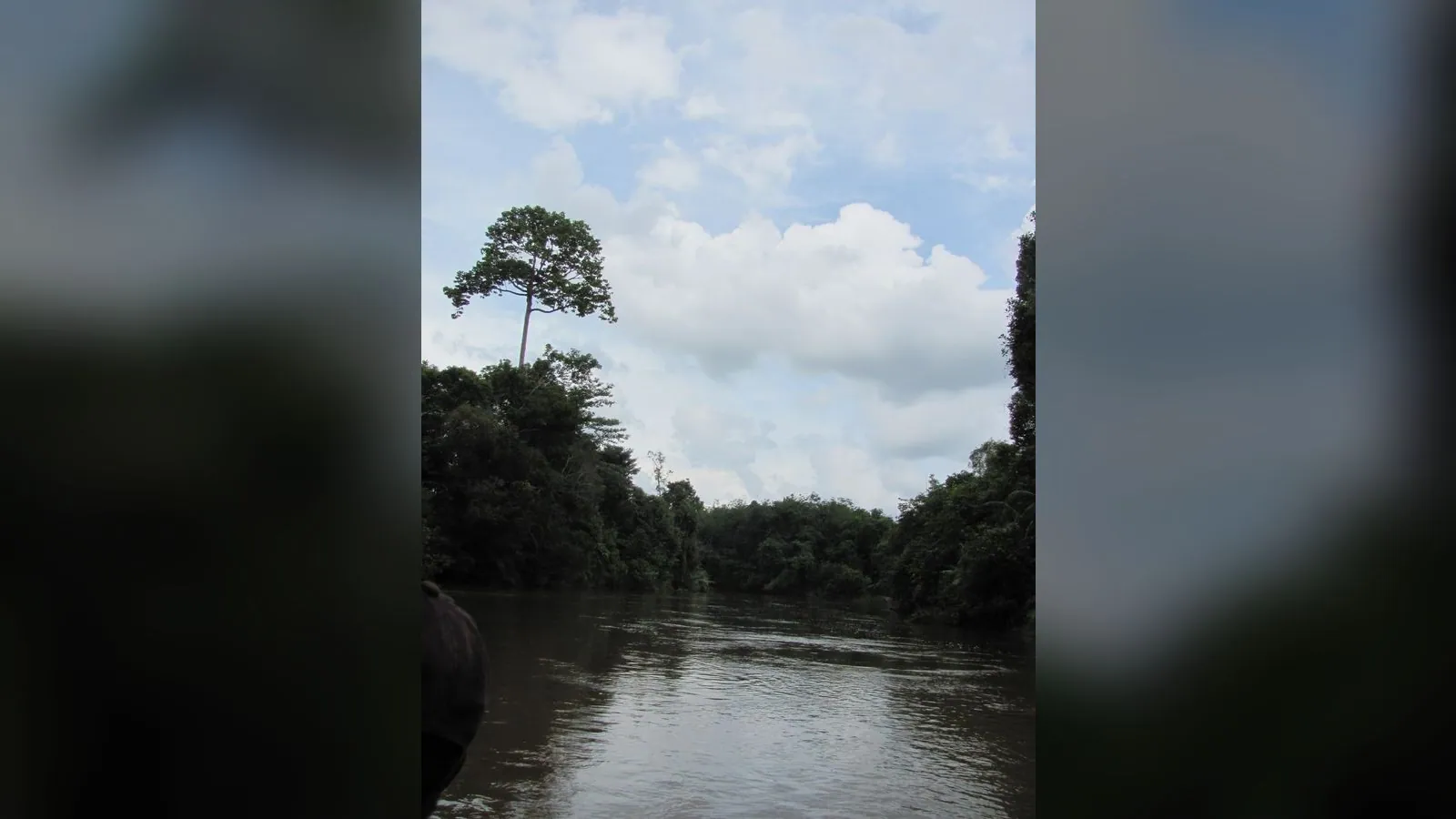
Indonesia has revoked the forest-utilisation permit of PT Riau Andalan Pulp and Paper (RAPP), covering approximately 338,536 hectares in Riau. The decision is consequential not just because of the area involved, but because it tests whether enforcement can repair damaged ecosystems without leaving local residents and workers to absorb the costs.
According to statements by Forest Area Enforcement Task Force (Satgas PKH) spokesperson Barita Simanjuntak, Forestry Ministerial Decision No. 971 of 19 November 2026 imposed the administrative revocation. The task force announced the measure on 20 November. Reports quote the task force as saying activities within the permitted area must stop and that the land returns to state control. Environmental restoration duties and other legal responsibilities remain, it said.
The ministerial decision is identified consistently in multiple reports and in a statement by the environmental organisation WALHI. However, the complete signed decision and its annexes have not been independently inspected for this article. The scope of the order, implementation deadlines and any appeal procedure should therefore be checked against the actual document when available.
What authorities allege, and what is established
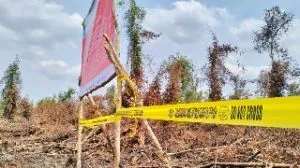
The task force says it found oil-palm plantations covering about 18,362.74 hectares, unauthorised mining openings of roughly 541.46 hectares and damage to protected areas covering about 211.54 hectares within the licensed area. It also cites repeated peatland fires and concerns about the buffer zone of Tesso Nilo National Park, an important habitat for Sumatran elephants.
Those are official enforcement findings, not criminal convictions against RAPP or proof that the company itself carried out every activity identified within its concession. Questions remain about the precise locations, operators, land tenure, dates, inspection methodology and responsibility for remediation. Publishing the underlying maps and evidence would allow residents, researchers and the company to test the findings.
The revocation itself is an administrative act. Any subsequent criminal or civil liability must be established through the applicable process. The hectares described as oil-palm, mining or damaged protected land must not be added together as if they necessarily represent separate, non-overlapping areas.
The company's response and economic exposure
RAPP said it had learned of the decision through the media and was awaiting formal notification and an explanation. It said it respected the government's authority, intended to engage constructively and would respond through appropriate channels. Its stated priority was the welfare of people dependent on its operations.
The company and APRIL Group say they employ more than 41,000 workers and support local suppliers. They cite an earlier economic-impact study estimating substantially more indirect jobs. These are company-supplied figures, not independently audited estimates of jobs that will actually disappear because of this particular decision. Direct employment, contracted labour and indirect economic exposure should not be conflated.
A sudden halt could disrupt wages, contractor payments, transport, local businesses and pulp supply chains. But allowing operations to continue without correcting verified violations would impose costs on residents affected by fires, land conflicts, water degradation and habitat loss. The policy challenge is not choosing workers over forests; it is making enforcement and transition plans credible for both.
WALHI demands more than a change of permit holder
In a 20 November statement, WALHI Riau welcomed the revocation but urged ecological restoration and the recovery of community rights. The group says its analysis found indications of fires in RAPP work areas in 2015, 2016, 2017, 2020 and 2026. It also alleges inadequate post-fire recovery in Pulau Padang. These claims warrant independent verification against fire records, concession boundaries and field inspections; they are not findings of a court cited here.
WALHI warned against transferring the former concession straight to another corporation or state enterprise. Such a transfer, it argues, could reproduce land conflicts rather than resolve them. It calls for indigenous communities, farmers, workers and other affected groups to participate in decisions about restoration and future land use.
There is a genuine governance dilemma. State control after permit revocation does not automatically settle customary ownership, existing community claims or workers' entitlements. Nor does it guarantee that degraded peat will be rewetted, burned land restored or elephant corridors protected. The government needs a transparent land inventory and a process for hearing competing claims.
Five tests for the next stage
First, authorities should publish the full decision, concession map, inspection evidence and legal basis for each finding, with appropriate protection for sensitive ecological data. Second, they should identify who operated the oil-palm and mining sites and which entities bear specific restoration obligations. Third, an independently monitored restoration plan needs measurable targets, funding, deadlines and public progress reports.
Fourth, the government and company should disclose arrangements for wages, layoffs, suppliers and any transition in production. Fifth, communities should be able to contest boundaries, assert customary rights and participate before any new management arrangement is made.
The environmental gains could be substantial if peatland fires are prevented and forest functions recover. The social costs could also be substantial if enforcement is abrupt or opaque. Neither outcome can be assumed from the announcement alone.
For now, what can be reported confidently is an announced administrative revocation, the task force's stated findings, the company's initial response and WALHI's demands. The ultimate ecological impact, responsibility for each alleged violation and effects on employment remain open questions requiring documentary and field verification.
Sources: ANTARA, 20 November; CNBC Indonesia, 20 November, including RAPP's response; WALHI Riau, 20 November; ANTARA, 21 November.