Asian equities fell on Monday, November 23, as investors continued to sell shares tied to artificial intelligence after a punishing week on Wall Street. South Korea, home to major semiconductor manufacturers, was among the hardest-hit markets. The sell-off reflects doubts about how quickly massive AI infrastructure investments will produce sustainable returns, rather than proof that demand for AI technology has disappeared.
A difficult start in Seoul
Reuters reported South Korea's benchmark KOSPI down about 5% during Monday's trading. Finance Minister Lee Hyoung-il said the authorities were preparing market-stabilisation measures and would deploy them depending on market conditions. The statement described readiness to intervene, not evidence that an intervention had already occurred.
The finance minister also warned that volatility in the semiconductor industry could affect the wider economy. Chip production is a major component of South Korea's export economy, making changes in investor expectations about AI spending particularly consequential.
Yonhap reported that the KOSPI had already fallen 5.21% on Friday, November 20. It also reported declines in major companies including Samsung Electronics and SK hynix during Monday's opening trade. Intraday percentage changes are snapshots, not final closing results.
Wall Street's sharp reversal
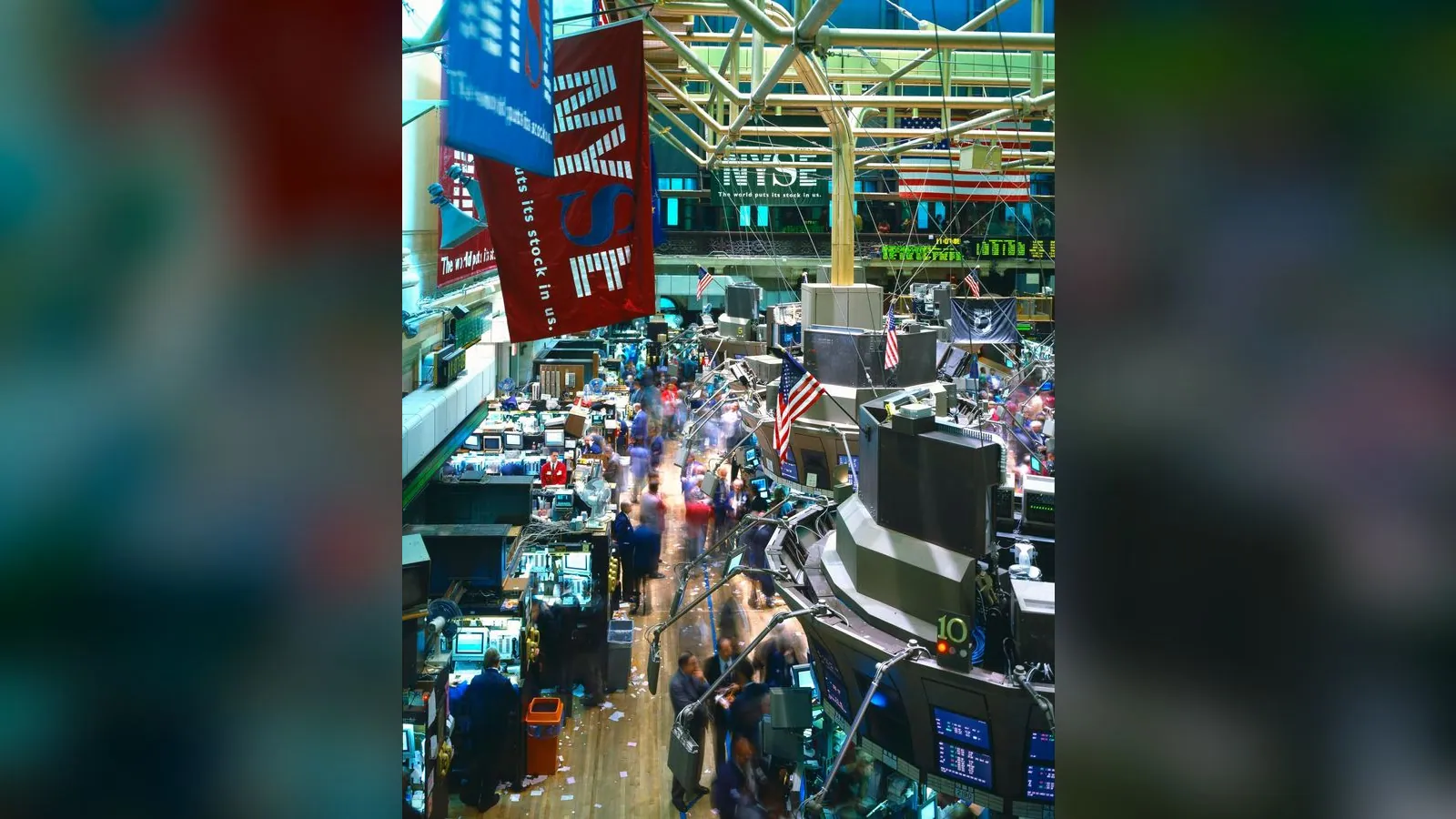
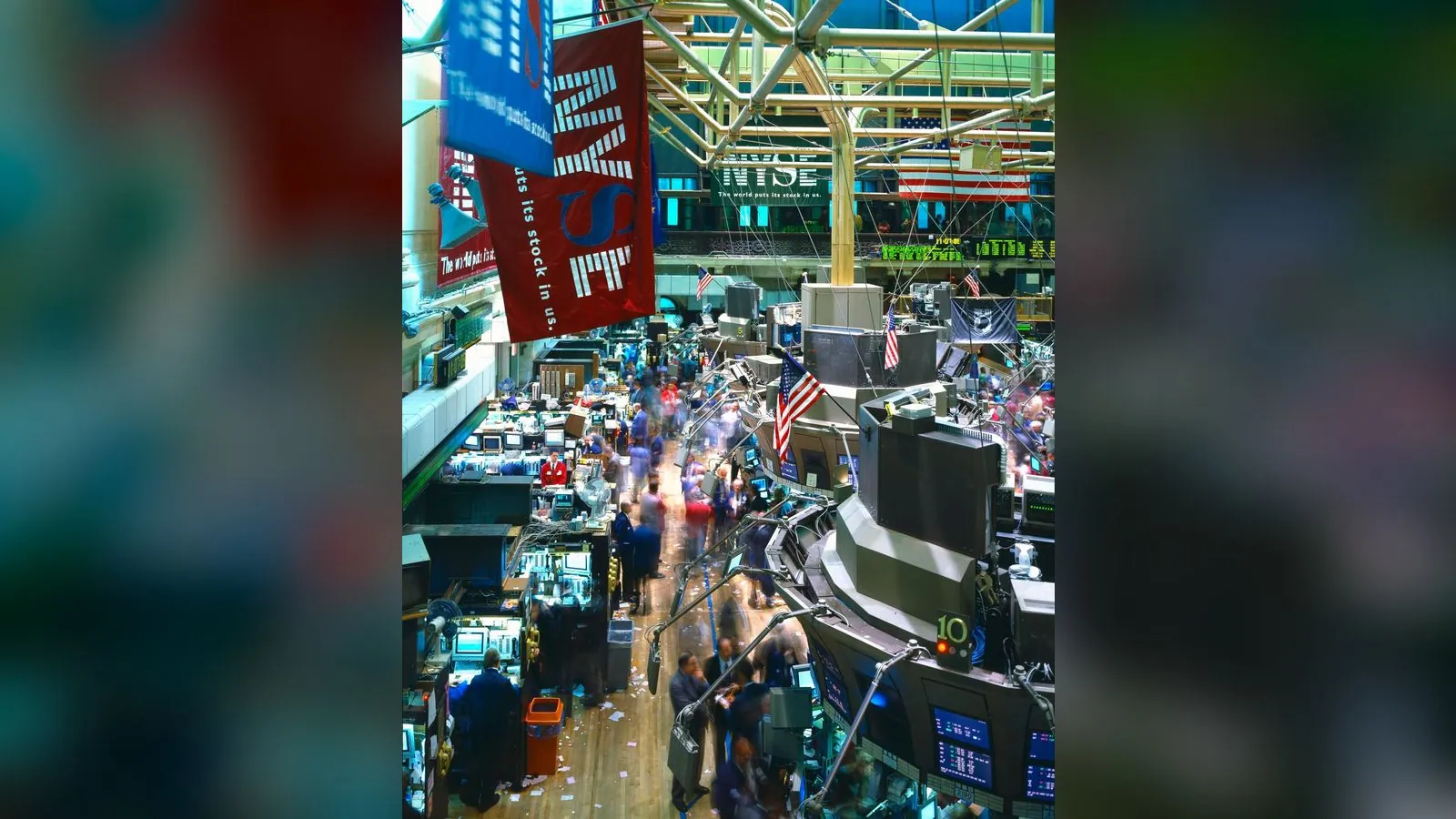
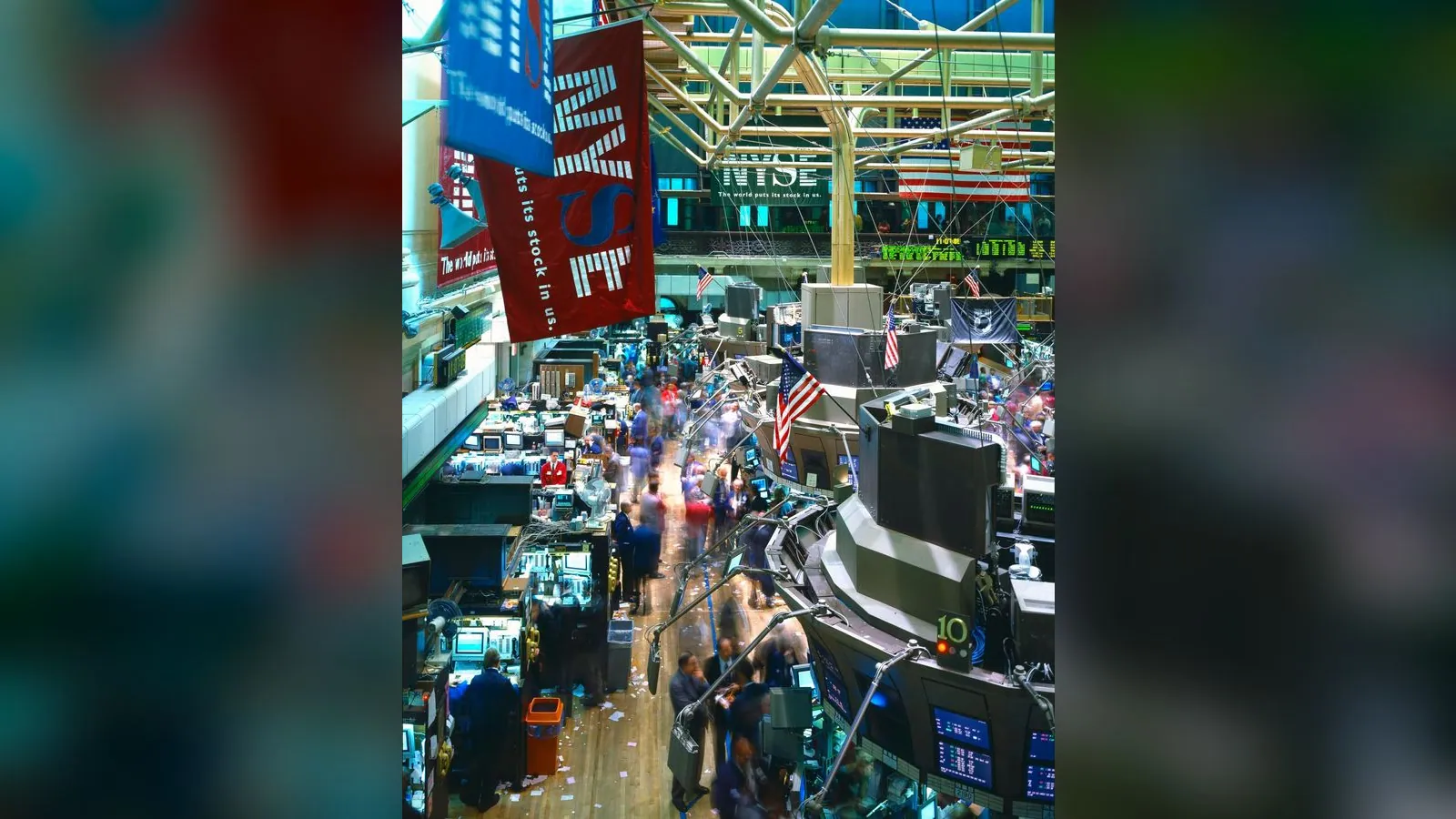
On Friday, the S&P 500 fell 3.7% and finished more than 10% below its October 6 record, meeting the widely used definition of a stock-market correction. The Nasdaq Composite lost approximately 5.3%, turning negative for the year, according to Associated Press and Reuters. The Dow Jones Industrial Average also declined.
Semiconductor companies and businesses linked to data-centre construction were among those affected. The sell-off followed months in which expectations of rapid AI expansion had helped support technology valuations. Friday's decline raised questions about the price investors were willing to pay for future earnings.
Asian markets then opened Monday under pressure. AP reported losses in several major markets, although their scale differed. Japan's market was closed for a public holiday. U.S. stock futures showed signs of a rebound during Asian trading, illustrating that investors were not uniformly selling every asset.
Why AI spending is under scrutiny
Building AI systems at scale involves spending on chips, data centres, energy infrastructure and networking equipment. Investors are increasingly focused on the gap between those immediate costs and the profits companies may eventually earn from AI services. Changes in financing costs, regulation or the pace of construction could affect that calculation.
Market professionals interviewed by Reuters differed over whether the decline represented a temporary repricing of expensive technology stocks or a deeper change in the AI investment cycle. Those interpretations are forecasts, not established facts.
A correction describes the size of a market decline from a previous high. It does not automatically mean an economic recession, nor does it establish that the technology underlying the companies has failed. Stock prices can also recover without every underlying concern being resolved.
What investors will watch next
Attention will turn to the closing levels of Asian indexes, whether Seoul activates the stabilisation measures it has discussed, and whether chipmakers and major AI customers provide evidence that spending is translating into revenue and cash flow.
For investors outside South Korea, the episode demonstrates how closely global technology valuations are linked: a change in sentiment toward American AI firms can rapidly affect semiconductor producers and stock markets elsewhere. The figures cited here reflect reports available during Asian trading on November 23, not final market closes.