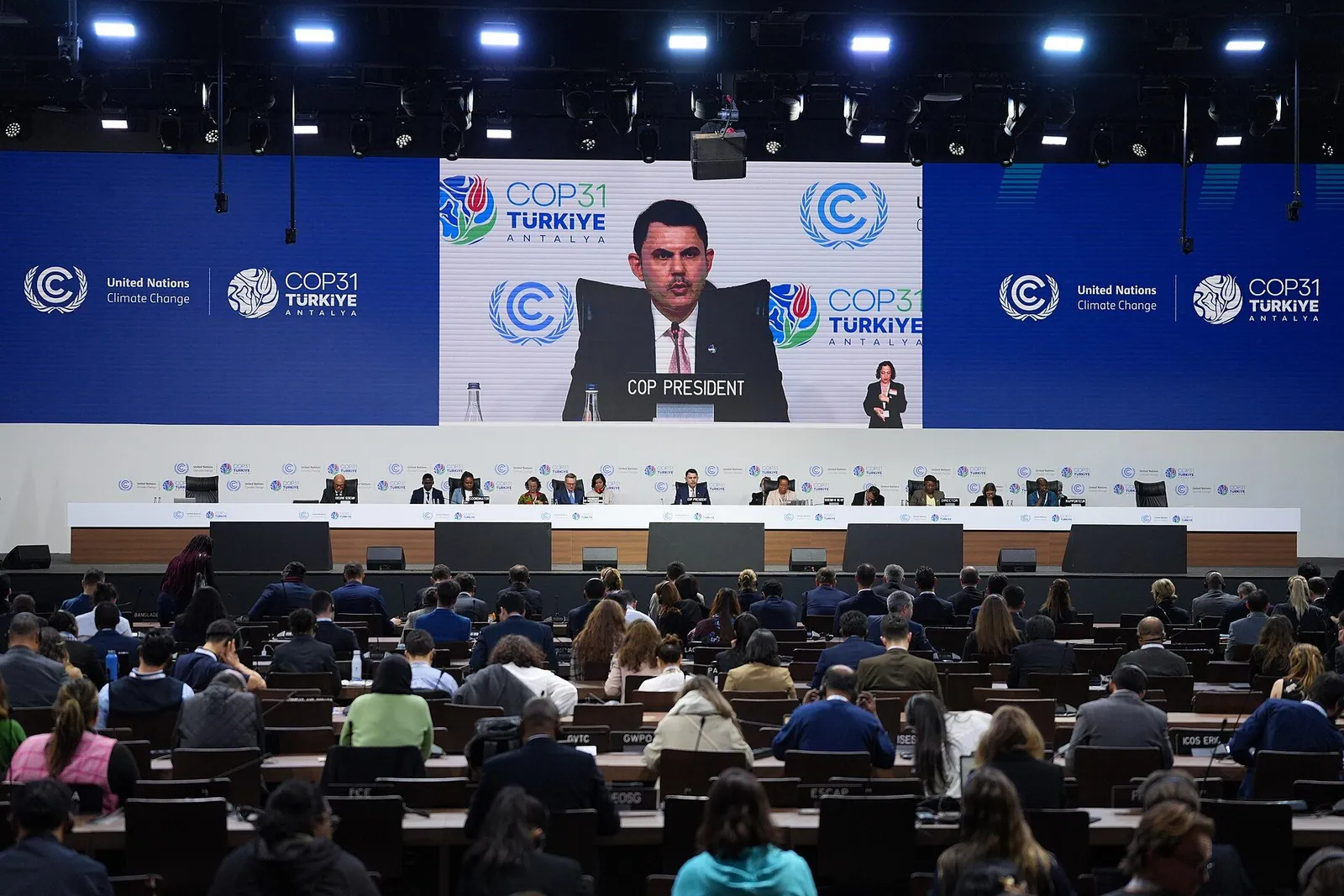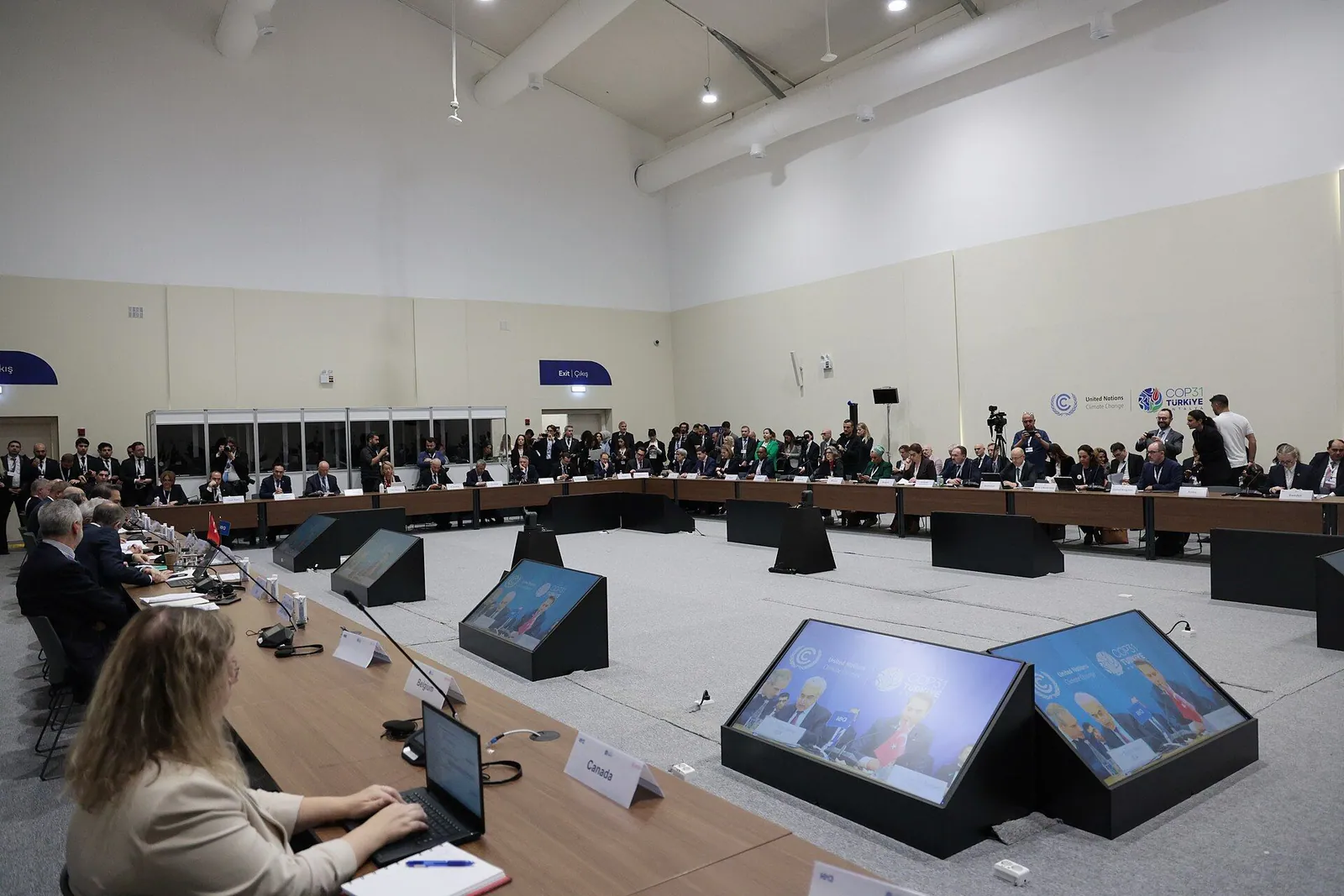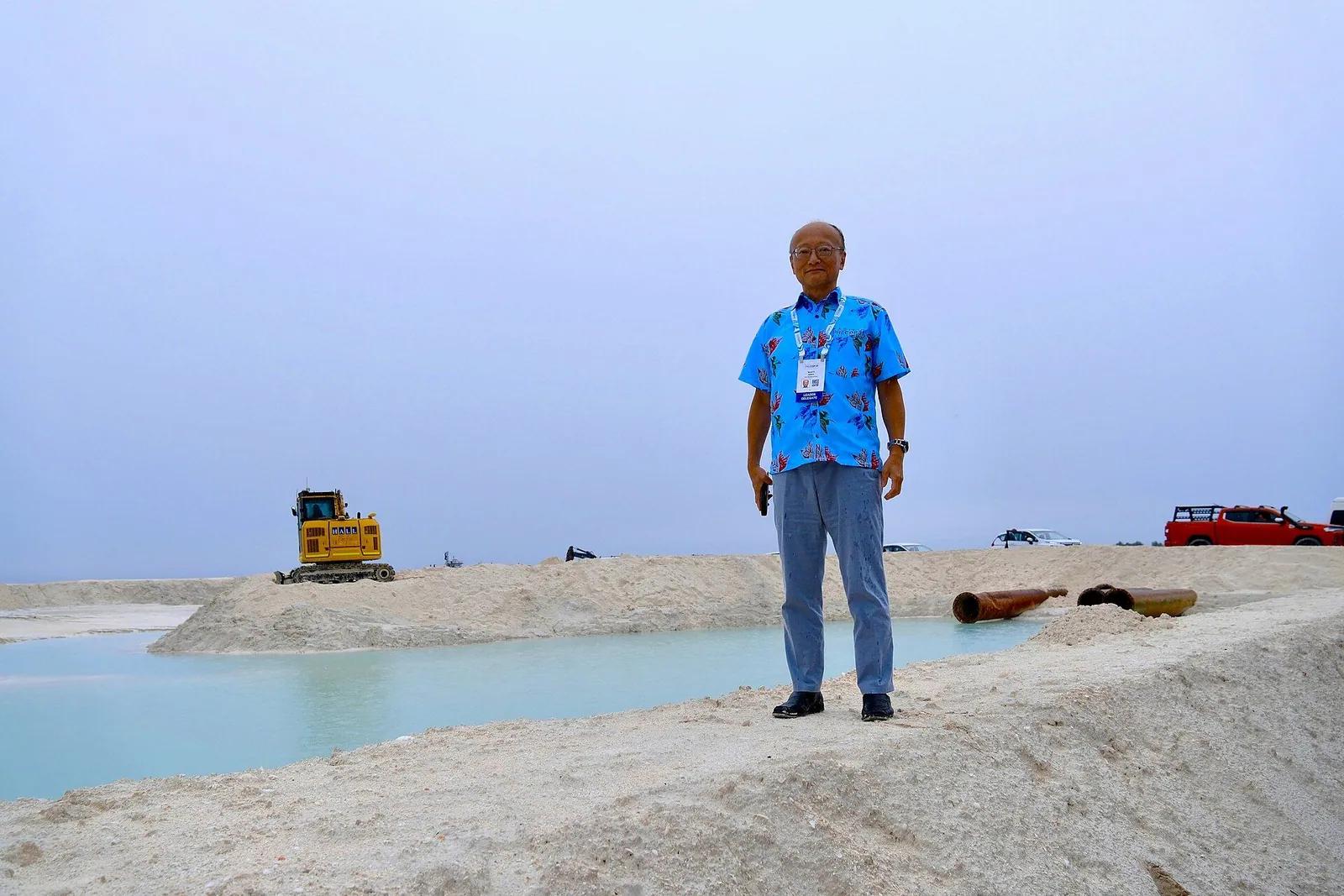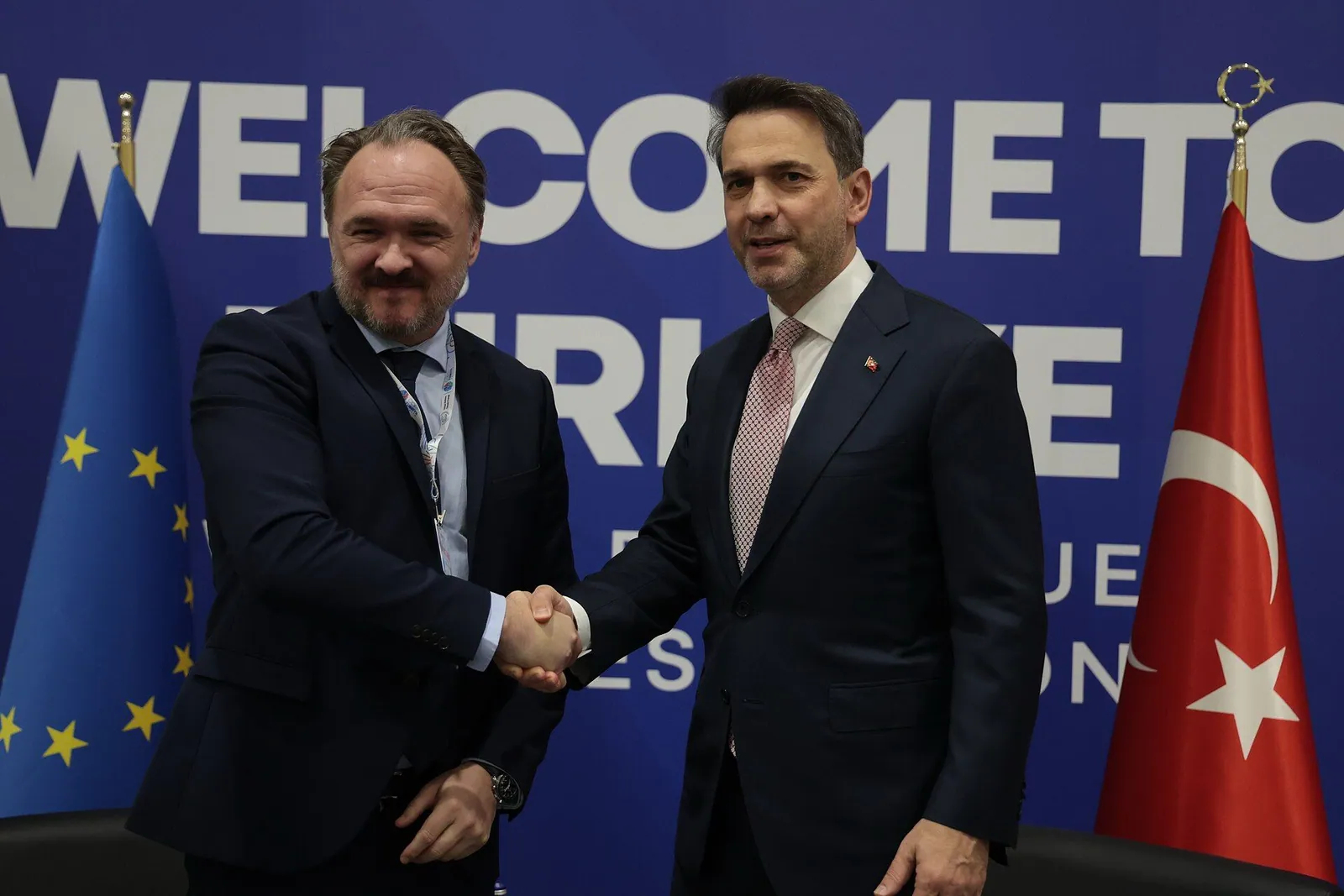
The United Nations COP31 climate conference ended in Antalya, Türkiye, on November 22, 2026, without an overarching agreement after talks stretched beyond their scheduled November 20 conclusion. The collapse followed disputes over fossil fuels and the financing that poorer countries need to adapt to a warming world.
It was a major setback for international climate diplomacy, but not a cancellation of the Paris Agreement or all decisions taken during the conference. The distinction matters because the final outcome was more complicated than a summit producing nothing.
The dispute over fossil fuels
Reuters and the Associated Press reported that the European Union and several other delegations rejected the proposed final political text as inadequate. One major objection was the absence of an explicit commitment to transition away from fossil fuels, language governments had previously agreed at COP28 in Dubai in 2023.
Countries producing oil and gas resisted stronger wording. Other governments argued that another summit without a credible pathway away from coal, oil and gas would weaken the political signal needed to guide energy investments. The disagreement was about both the direction of policy and how quickly countries should be expected to change.
Delegations also disagreed over adaptation finance. Developing countries sought clearer commitments on the scale and delivery of assistance to prepare for heat, floods, drought and other climate hazards. The proposed language on increasing funding was criticized for lacking a clear baseline against which progress could be measured.
What actually survived
UN climate chief Simon Stiell said in his November 22 closing address that COP31 had been unable to agree on the presidency-led decisions. But he also stressed that important negotiating decisions, including one concerning a just transition, had been adopted.
This means the conference did not reach consensus on its central political package, rather than failing to adopt every item. Earlier climate treaties, including the Paris Agreement, remain in effect. Countries are still responsible for implementing their existing commitments and national plans.
Reuters reported that the rejected proposal had included an aspiration to raise electricity's share of final energy consumption to 35% by 2035 and language supporting carbon-removal technologies. Those proposals should not be reported as a universally agreed, binding outcome. Separate voluntary initiatives may continue, but they carry different legal and political weight from decisions adopted by all parties.
The wider climate challenge
The failed negotiations came against the backdrop of increasingly severe climate impacts and continued pressure to cut greenhouse-gas emissions. At the summit on November 11, UN Secretary-General António Guterres said the world was heading toward an overshoot of the Paris Agreement's 1.5°C temperature threshold. He argued that this was a reason to accelerate action, not to abandon it: additional warming still carries additional risks.
Guterres called for a faster shift from fossil fuels, more affordable climate finance and greater protection for vulnerable communities. Those priorities became precisely the subjects on which negotiators struggled to find common ground.
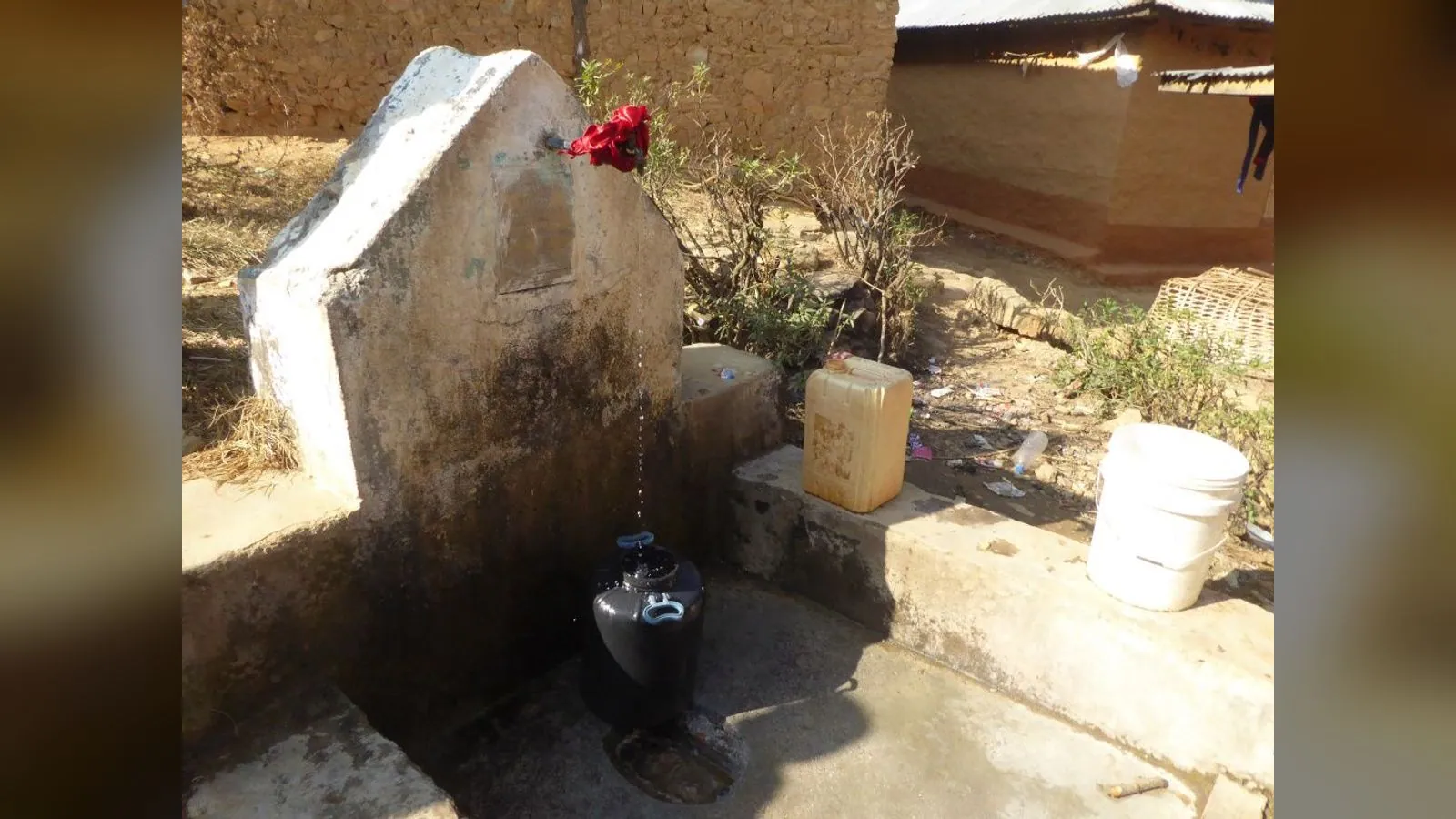
For developing economies, the stakes are practical. Promises of assistance have limited value unless governments and communities can obtain funding on workable terms and use it for resilient infrastructure, disaster preparedness and cleaner energy. For countries dependent on fossil fuel production or imports, the transition also raises difficult questions about jobs, energy security, prices and public revenue.
What happens next
The next annual UN climate conference is scheduled for Ethiopia in 2027. Governments can continue negotiating, strengthening national climate policies and financing projects before then. However, no new overarching COP31 pact emerged to settle the unresolved questions.
The failure also puts the consensus-based negotiating system under scrutiny. Advocates of stronger action argue that weak language delays necessary investment, while countries wary of abrupt changes emphasize the costs of transition and their differing economic circumstances. A durable agreement will need to address both emissions reductions and how countries pay for them.
For now, the clearest conclusion is narrow but significant: COP31 closed without its central deal, even as parts of the wider UN climate process continued.