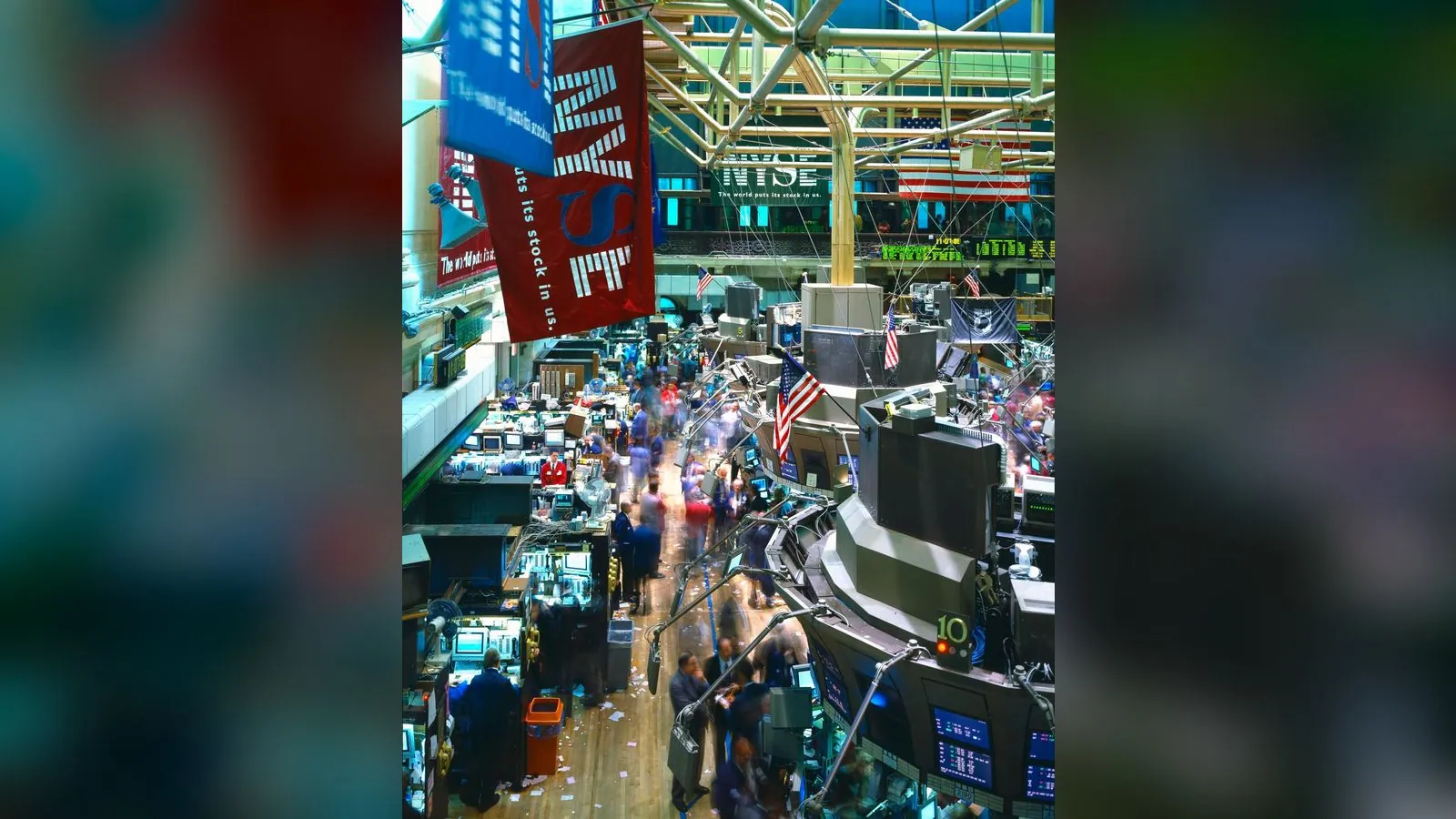
Global fund managers cut their exposure to technology shares at the fastest monthly pace in more than 20 years, according to Bank of America's November survey published on Tuesday, November 17, as concern grows that the artificial-intelligence investment boom may be running ahead of the profits it can generate.
The survey found that investors' net overweight position in technology fell to 12% from 37% in October, the largest monthly decline since June 2006. That measure describes the balance of managers holding more technology stocks than their benchmarks, not a 25% fall in technology share prices or an equivalent amount of money withdrawn from the sector.
A sharp reversal in positioning
The monthly survey covered 169 investors overseeing $461 billion in assets. Reuters reported that technology shares had already come under pressure amid uncertainty over the pace of data-centre construction and AI capital spending. The Nasdaq lost more than 5% in October and had fallen a further 3% so far in November at the time of the report, Reuters said.
Fund managers were not simply declaring that AI had no economic future. Their more immediate question was whether the enormous spending on computing facilities, power infrastructure and chips would produce sufficient returns for shareholders. That distinction matters: a technology can spread rapidly and still disappoint investors if its commercial payback takes longer than expected.
Bank of America analysts interpreted the survey as a message that respondents wanted companies to slow or pause AI capital expenditure. A record 38% believed corporations were overinvesting, while 52% expected at least one major AI hyperscaler to announce a capital-spending reduction within the next six months. These are expectations and opinions of surveyed managers, not announced budget cuts or verified evidence of widespread waste.
What an AI hyperscaler is
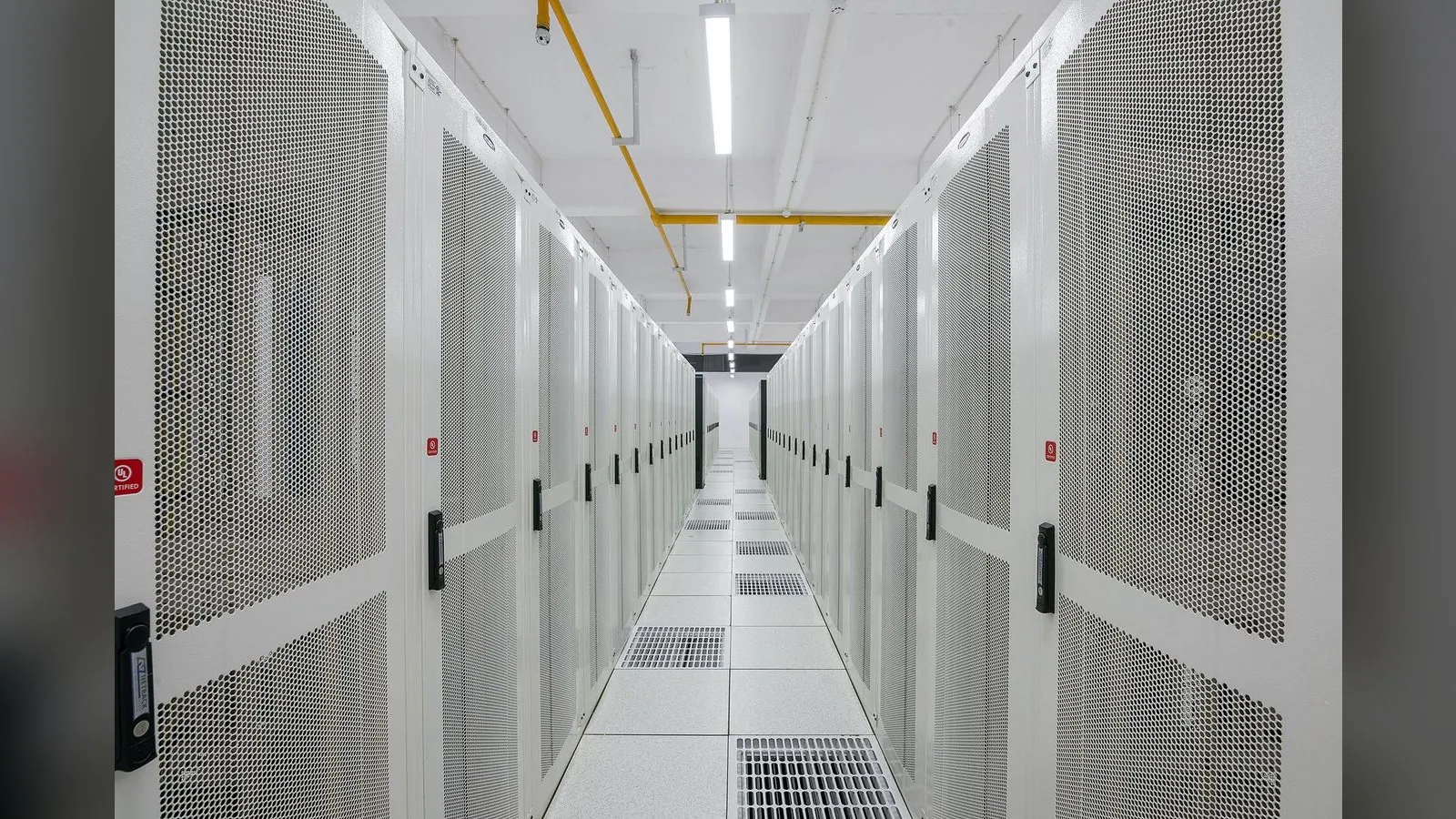
The term generally refers to very large cloud and technology operators that finance and run vast computing infrastructure. Their expenditure can include specialised processors, servers, networking, electricity supply, cooling and buildings. Suppliers of chips, construction, energy and networking equipment may therefore be affected when investors change their forecasts for future data-centre expansion.
The concern is not only whether demand for AI services rises. Investors also have to consider pricing, utilisation rates, financing costs and how quickly customers are willing to pay for AI applications. If revenue grows more slowly than the assets needed to support it, profit margins and cash generation can come under pressure. Those are possible mechanisms, not a finding that any named operator is currently insolvent or has cancelled a project.
Bubble and credit risks move up the list
Respondents ranked an AI bubble as their leading market tail risk, followed by a credit event involving a major AI infrastructure spender. A tail risk is a scenario that investors consider potentially damaging, even if they do not expect it to be the most likely outcome. A credit event could involve refinancing stress or a deterioration in borrowers' ability to service debt; the survey does not establish that such an event has occurred.
MarketWatch's separate coverage of the same Bank of America survey said semiconductor stocks remained the most crowded trade, though overweight positioning had declined markedly from July. This suggests investors may still regard AI-related assets as attractive while becoming less willing to hold concentrated positions at elevated valuations.
Caution on technology is not a recession forecast
The survey also contains evidence against a simplistic narrative of market-wide panic. Only 3% of respondents forecast a global recession, and cash allocations were at their lowest level in three months. Managers moved closer to bonds, reaching their least-underweight bond position since November 2025, but they had not collectively abandoned risk assets.
For 2027, 36% of surveyed managers expected international equities to outperform, compared with 24% favouring US equities and 17% choosing gold. Forty-two percent selected the Japanese yen as the currency they expected to perform best. These are survey responses about future performance, not guarantees or investment advice.
Why it matters beyond Wall Street
AI spending is connected to demand for electricity, semiconductors, construction, data-centre capacity and cloud services across multiple countries. A sustained slowdown in capital expenditure could influence suppliers and project financing globally. Conversely, if corporate AI revenues justify spending, the present caution could prove temporary. The survey cannot settle which path will occur.
The shift also illustrates a tension between AI's long-term technological promise and investors' shorter-term demands for cash returns. Companies developing useful AI products may continue growing even while valuations of infrastructure providers fluctuate. The effects on jobs, electricity costs and emerging markets would depend on where and how any spending changes take place.
What to watch next
Upcoming earnings, capital-spending guidance, cloud revenue trends and borrowing conditions will provide more concrete evidence than sentiment surveys alone. Investors will watch whether large technology groups maintain, increase or scale back infrastructure plans and whether AI services deliver measurable earnings.
Bottom line: Bank of America's November survey documents the fastest monthly reduction in fund managers' technology overweight since 2006 and unusually widespread concern about AI overinvestment. It does not prove that an AI bubble has burst, that a recession is imminent or that hyperscalers have already cut spending.