GENEVA, Nov. 21, 2026, Governments ended a United Nations-backed review conference without agreeing to launch negotiations on a binding treaty governing lethal autonomous weapons. Instead, they agreed to continue developing possible rules through 2028, leaving their eventual legal force unresolved.
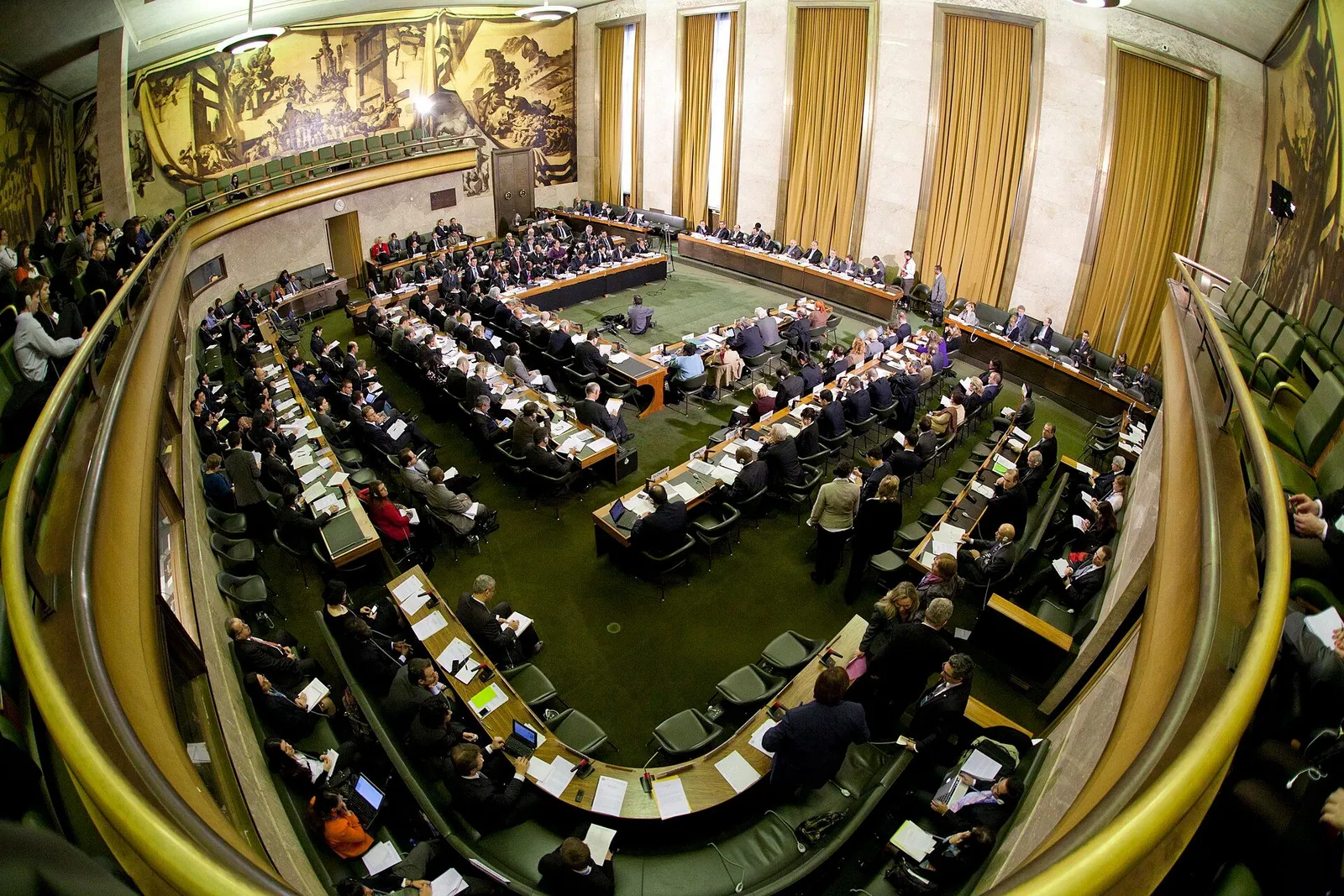
The outcome of the seventh review conference of the Convention on Certain Conventional Weapons (CCW), held in Geneva from November 16 to 20, reflects a widening gap between countries demanding enforceable limits and military powers reluctant to accept new restrictions. Reuters and the Associated Press reported the compromise on November 21.
What was decided
Delegations agreed to elaborate elements of a potential instrument over the next two years. That is a process commitment, not an international ban, an adopted treaty or even a guarantee that future rules will be binding.
The conference followed a September report by a group of government experts that outlined possible provisions without prejudging whether the eventual instrument should be legally binding. The UN's Geneva office had identified the review meeting as a pivotal decision point.
Why the disagreement matters
Autonomous weapons may select and engage targets without further human intervention after activation. Their capabilities and degree of human supervision vary, and the label does not mean every military use of AI operates independently. Questions include whether a human must approve individual attacks, how systems distinguish lawful targets, and who is accountable for errors.
The UN secretary-general and the International Committee of the Red Cross have called for clear prohibitions and restrictions. Brazil, Austria, Belgium, Ireland, Mexico, New Zealand and Panama advocated starting treaty negotiations, according to AP. Their proposal did not win consensus.
Reuters reported that roughly 100 countries supported moving rapidly toward binding rules, while the United States, Russia and Israel opposed that approach. Their positions should not be confused with an agreed finding that current weapons violate international law: that determination depends on the weapon and how it is used.
Consensus creates a narrow path
The CCW has 128 parties and operates by consensus. That allows a single government to prevent an agreement, even when many others favor it. Swiss conference president Ambassador Julien Thöni characterized the outcome as an achievement, while campaigners including Stop Killer Robots argued that it delays meaningful safeguards.
Reports of autonomous or AI-assisted capabilities in current conflicts have heightened urgency, but independent confirmation of the autonomy level in any particular strike can be difficult. No evidence from this meeting establishes that such weapons are already deployed everywhere or that a worldwide prohibition exists.
What comes next
Diplomats now have until 2028 to work on possible rules. The central unresolved question is whether states will agree to enforceable limits on targeting and human control or settle for voluntary guidance. Countries seeking stronger measures may also consider negotiations outside the consensus-based CCW framework.
For civilians, the stakes concern not only the speed of battlefield decisions but also transparency, accountability and compliance with existing international humanitarian law. The Geneva compromise preserves dialogue; it does not resolve those concerns.