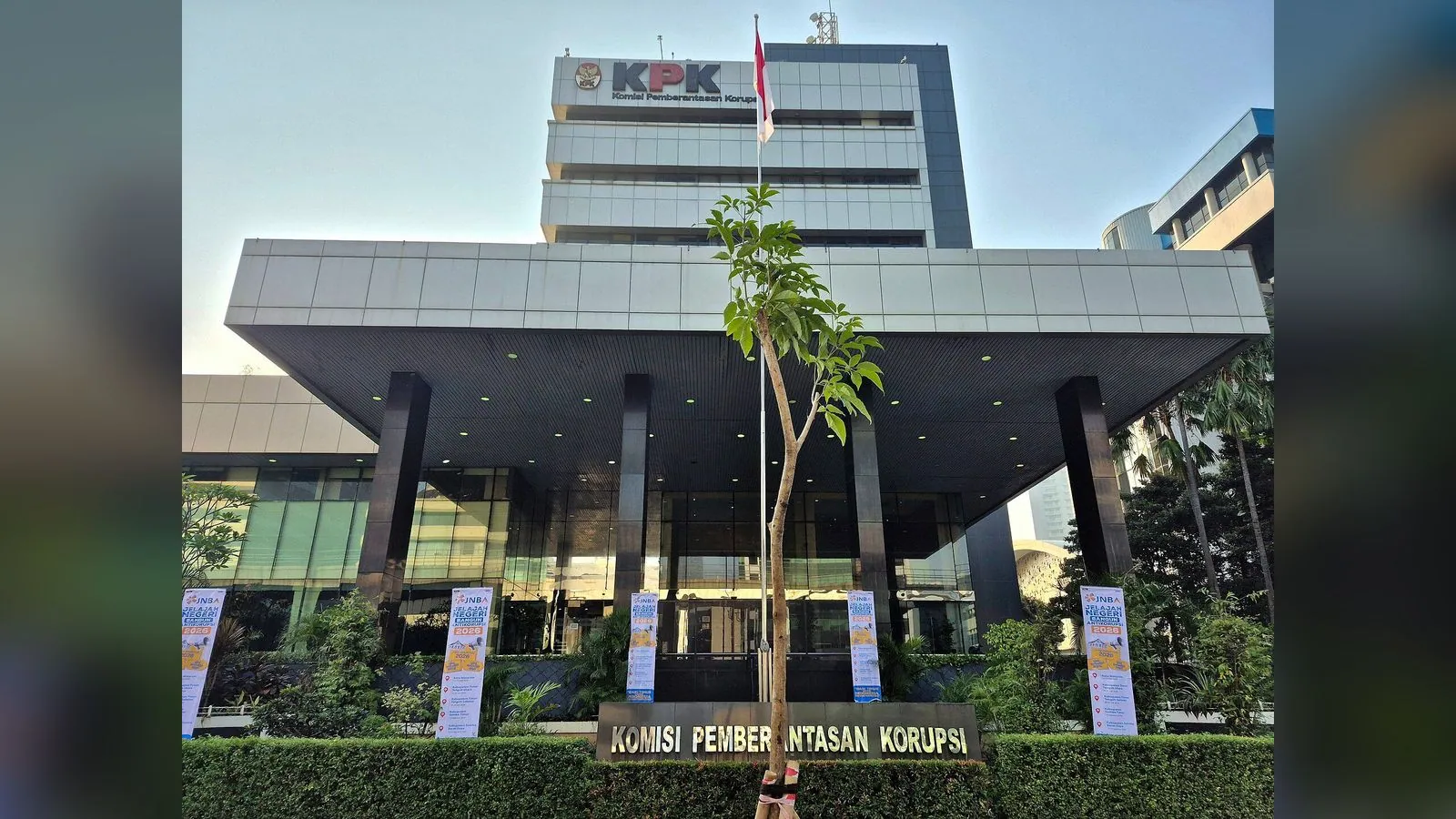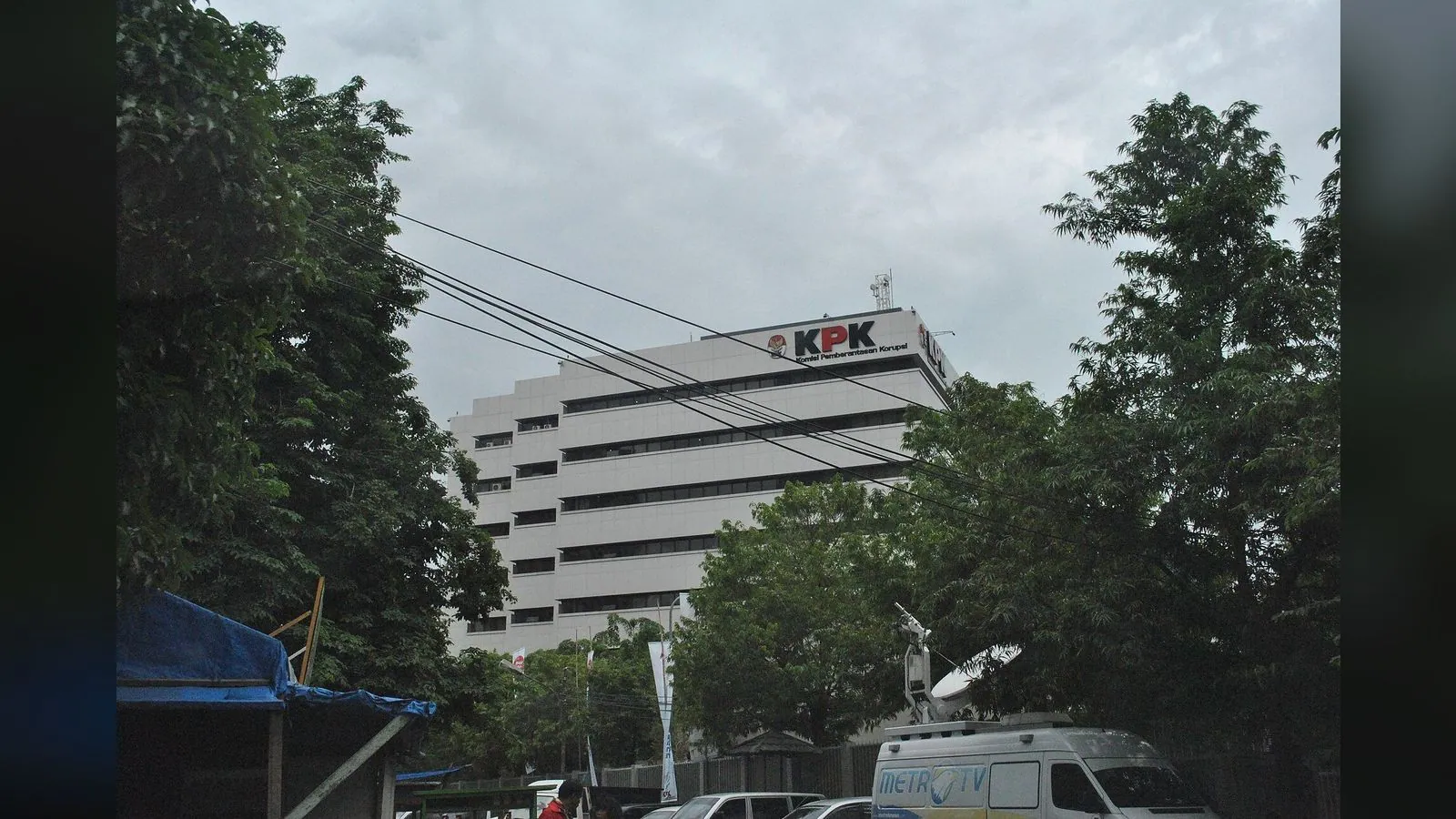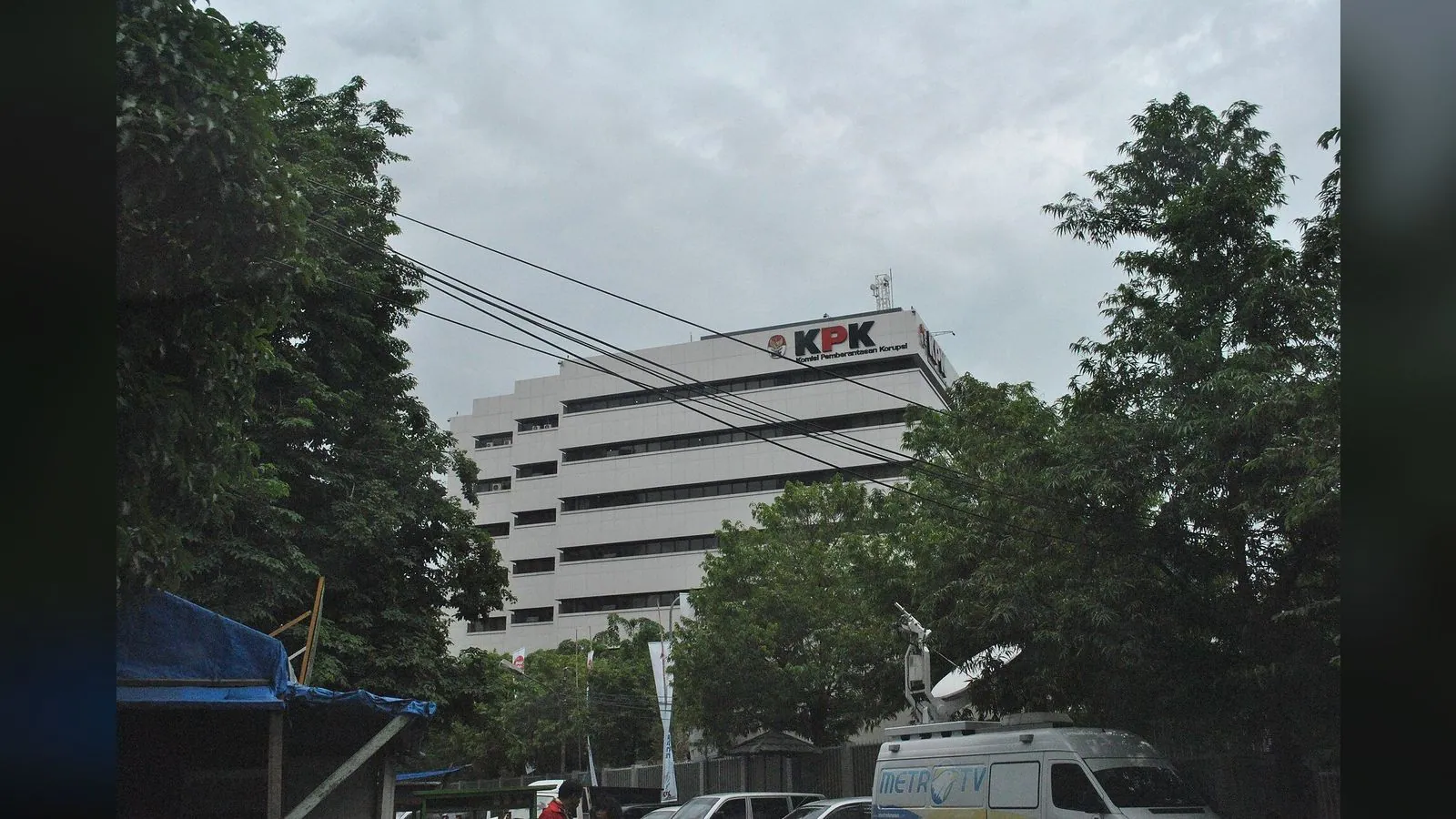
Indonesia's Corruption Eradication Commission (KPK) is investigating whether suspected interference with government audit findings in Central Java extends beyond the districts of Klaten and Pemalang. The agency has not established that other districts were involved, and its public comments should not be treated as proof of a province-wide scheme.
On 18 November 2026, KPK spokesperson Budi Prasetyo told reporters that the pattern suspected in Klaten might also have occurred in Pemalang and potentially other places. ANTARA reported the remarks that evening. The statement described a line of inquiry, not a completed investigation or a judicial finding.
The case in Klaten
On 16 October, KPK announced suspects in a case involving the Klaten district government and the Central Java office of the Supreme Audit Agency, BPK. According to investigators' account reported by detik, an examination of the district's 2025 financial statements identified approximately Rp5 billion in excess honorarium payments.
Investigators allege officials discussed removing two findings from the audit report. At an October press conference, KPK investigators described a purported request for Rp600 million, subsequently negotiated to Rp400 million, in connection with the alleged changes. Those figures are allegations attributed to investigators, not amounts established by a final court judgment.
The alleged excess honorarium payments and the alleged inducement to influence auditors are separate categories. Neither should automatically be described as a judicially proven state loss. The audit's underlying working papers and the complete record of any amendments have not been independently examined for this report.
Why investigators are looking at Pemalang
KPK scheduled an official linked to the Klaten investigation to be questioned on 11 November as a witness in a separate Pemalang case. Investigators suspect similarities in the handling of audit findings, although that does not mean the two cases have identical evidence or defendants.
On 18 November, Budi said the agency was considering whether similar practices might have occurred in other local administrations. In another statement reported by ANTARA on 19 November, he said investigators were tracing possible money flows to people within BPK and examining the division of responsibility between its regional and central offices.
That inquiry into authority matters: investigators need to establish who could approve changes to findings, who actually did so and whether any improper payment influenced a decision. KPK's questions about central-office involvement are not evidence that central BPK officials accepted illicit payments.
Why audit integrity matters
Local government audits are intended to help residents, lawmakers and oversight institutions assess the use of public funds. A finding about improper payments can prompt repayment, corrective procedures or further scrutiny. If a finding is concealed through bribery, readers of the final report may receive a misleading picture of public spending.
But an allegation about the removal of two findings does not prove that every budget item was manipulated. Nor does a suspicion that a practice occurred elsewhere justify naming districts that investigators have not substantiated. The distinction is essential when the allegations concern identifiable public officials and institutions.
What remains unverified
This article relies on attributed KPK statements reported by ANTARA and detik. The original audit workpapers, any earlier and revised versions of the reports, complete transaction records and the full responses of accused parties and BPK have not been independently reviewed here.
A suspect designation is not a conviction. Those accused retain the right to challenge the allegations. The next substantive developments will be whether investigators can reconstruct the audit trail, demonstrate any improper transfers, identify decision-makers and present evidence capable of being tested in court. Until then, the possible spread beyond Klaten and Pemalang remains an investigative hypothesis.
Sources: ANTARA, 18 November; ANTARA, 19 November; detik, 16 October.