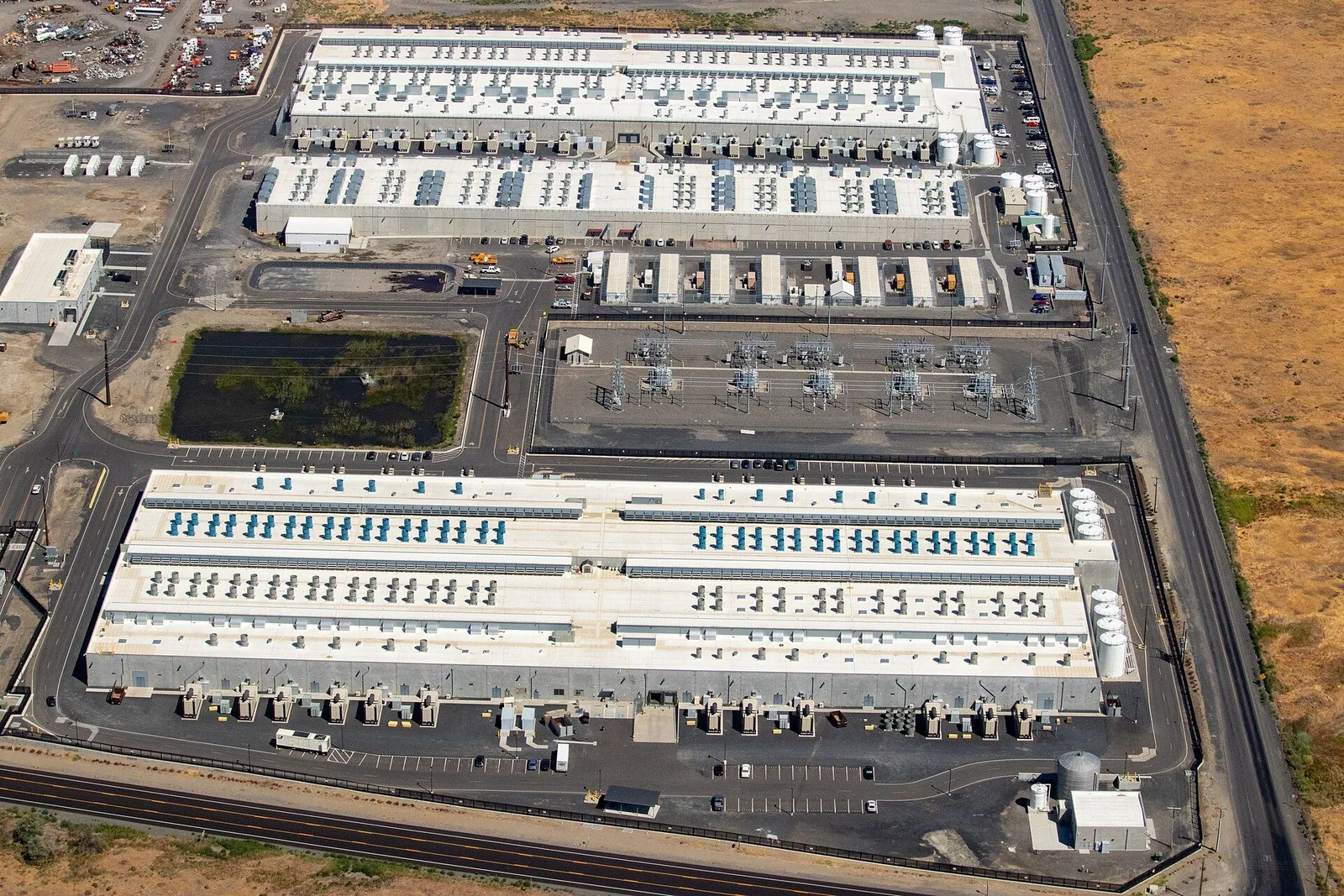
South Korean President Lee Jae Myung called for faster development of artificial-intelligence infrastructure on Saturday, November 21, during a visit to a data centre under construction in Ulsan. The project is being developed by SK Group and Amazon Web Services (AWS), Reuters reported, and reflects Seoul's effort to turn its strong position in semiconductors into a larger domestic computing industry.
Investment and timetable
The project is expected to cost about 7 trillion won, equivalent to roughly US$5.2 billion, through 2029. Reuters said operations are scheduled to begin in the second half of 2027. The initial capacity is planned at 103 megawatts, with the potential for expansion to nearly 900 megawatts.
The distinction between planned and completed capacity is important. The full potential expansion is not operating today, and neither the proposed expenditure nor the capacity represents a confirmed final outcome. Large computing campuses must secure electricity, cooling, networking and customers as well as finish construction.
The investment links two businesses with different roles. SK Group is a major South Korean industrial group, while AWS is an international cloud computing provider. Their participation underlines the commercial interest in building capacity where there is access to industrial infrastructure and technology suppliers.
A race to build AI infrastructure
Lee told those involved that speed was vital in the international AI race, Reuters reported. Data centres provide the servers and networking systems needed to train and operate AI models. They also create demand for high-performance memory and other chips, an area of strength for South Korean manufacturers.
The government wants more of that activity to take place domestically rather than treating Korea only as a supplier of components for overseas computing projects. However, hosting computing facilities does not guarantee that the country will capture all the value created by AI software and services.
The Ulsan location is also significant. Lee described the project as evidence that investment in advanced industries need not be concentrated around Seoul. Whether that promise delivers broader regional prosperity will depend on local hiring, suppliers and the durability of the jobs created.
Workers and economic constraints
About 900 people were working at the construction site at the time of the visit, according to Reuters. Lee pointed to a shortage of people skilled in building advanced facilities and called for government attention to training. Labour availability can affect the speed of construction even when funding is available.
South Korea's annual exports had passed US$1 trillion on November 19, Reuters reported separately, with AI-related semiconductor demand providing a major boost. That development helps explain the political urgency surrounding computing investment, but it is a different measure from the returns on the Ulsan project.
Demand for chips can be strong while individual infrastructure projects still face high capital costs and uncertainty over future usage. Investors and policymakers therefore need to distinguish export performance from construction commitments and from actual data-centre revenue.
What happens next
The immediate test is whether construction stays on course for the planned opening in the second half of 2027. Later milestones include the delivery of the first 103 megawatts, any confirmed expansion, and investment realised through 2029.
The reported capacity and investment figures remain targets. They should not be described as completed facilities or guaranteed economic benefits until the operators publish further evidence.
Sources: Reuters, November 21, 2026; Reuters, November 19, 2026.