Indonesia's House of Representatives approved the Asset Forfeiture Bill in a plenary session on Thursday, November 19, a major change from the legislative negotiations reported earlier this week. The vote was reported by ANTARA, CNN Indonesia and Reuters. The bill concerns assets linked to corruption and other offences, including a mechanism for forfeiture without a prior criminal conviction in specified circumstances. Approval is a verified parliamentary decision; the complete promulgated text, its effective date and detailed implementing rules have not yet been independently examined for this report.
What changed today
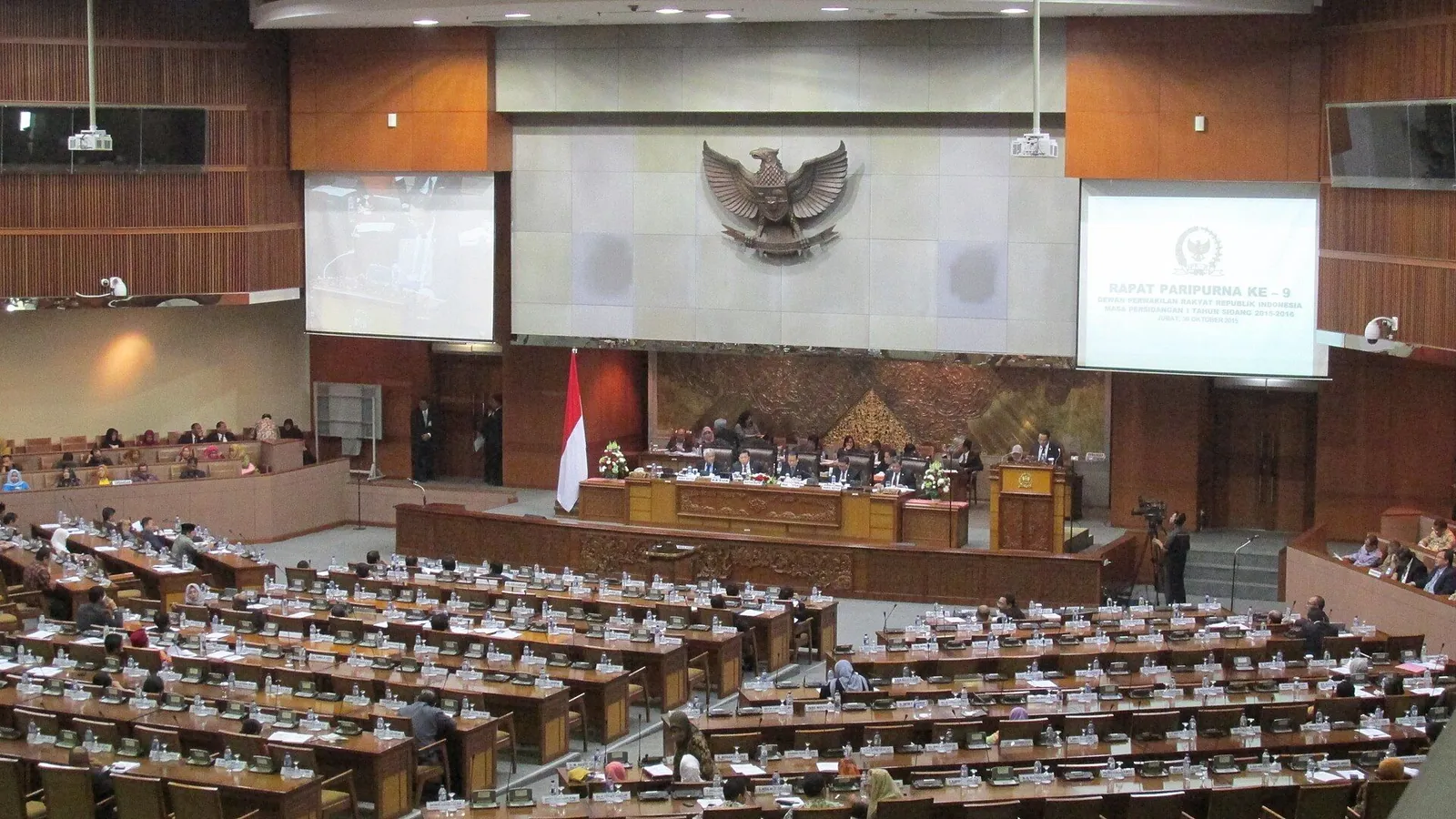
The DPR's 13th plenary meeting of the 2026-2027 session, chaired by Speaker Puan Maharani, agreed to enact the bill. CNN Indonesia reported that 361 of 573 legislators were present or registered and that the participating factions approved it. That attendance figure should not be confused with a recorded roll-call tally of votes for and against.
On November 18, Commission III and government representatives had completed first-stage deliberations and agreed to bring the measure to a plenary decision. The DPR's own account described 397 items in the government-legislature problem inventory and ten main areas of regulation. Today's vote is therefore a new event, not merely a repeat of yesterday's committee agreement.
Recovering criminal proceeds and protecting owners
Supporters argue that recovery tools are necessary when criminal proceeds are hidden, transferred or otherwise difficult to reclaim through an ordinary conviction. The parliamentary account describes procedures for tracing assets, stopping transactions, freezing, seizure, court applications and judicial decisions. It also refers to returning assets to victims, independent oversight and protections for good-faith third parties.
The stakes extend beyond convicted defendants. Family members, creditors, employees and business partners may have legitimate interests in property under investigation. Freezing an account before final adjudication can disrupt wages or business operations. The central questions are what evidence courts require, how quickly affected owners can challenge a freeze, how innocent owners recover property, and who compensates them if authorities make mistakes.
A non-conviction-based forfeiture process is not the same as a finding that an asset owner committed a crime. Nor does parliamentary passage establish that all property suspected of an offence can automatically be taken. Specific legal thresholds and exceptions must be checked against the final statute.
What remains to be checked
The DPR says the proposal includes judicial oversight, protection of good-faith third parties and independent asset-management supervision. These are descriptions from the parliamentary deliberations, not an article-by-article verification of the final enacted law. Civil-society groups had previously called for publication of the negotiating text so the public could assess safeguards. Their transparency concern remains relevant to examination of the final law.
No verified estimate shows how much money this law will recover. Assets restored to individual victims cannot simply be counted as unrestricted state revenue. News WLD will examine the final official text, promulgation details, judicial safeguards, implementing institutions and any constitutional challenges as they become available.
This report updates our November 17 analysis, which correctly described the measure as a bill at that time. Its status changed with the November 19 plenary approval.
Sources
- 1.ANTARA: DPR setujui pengesahan RUU Perampasan Aset, 19 November, antaranews.com
- 2.CNN Indonesia: DPR resmi sahkan RUU Perampasan Aset, 19 November, cnnindonesia.com
- 3.DPR: Komisi III dan pemerintah sepakat bawa RUU ke paripurna, emedia.dpr.go.id
- 4.Reuters: Indonesia parliament passes asset forfeiture bill, reuters.com