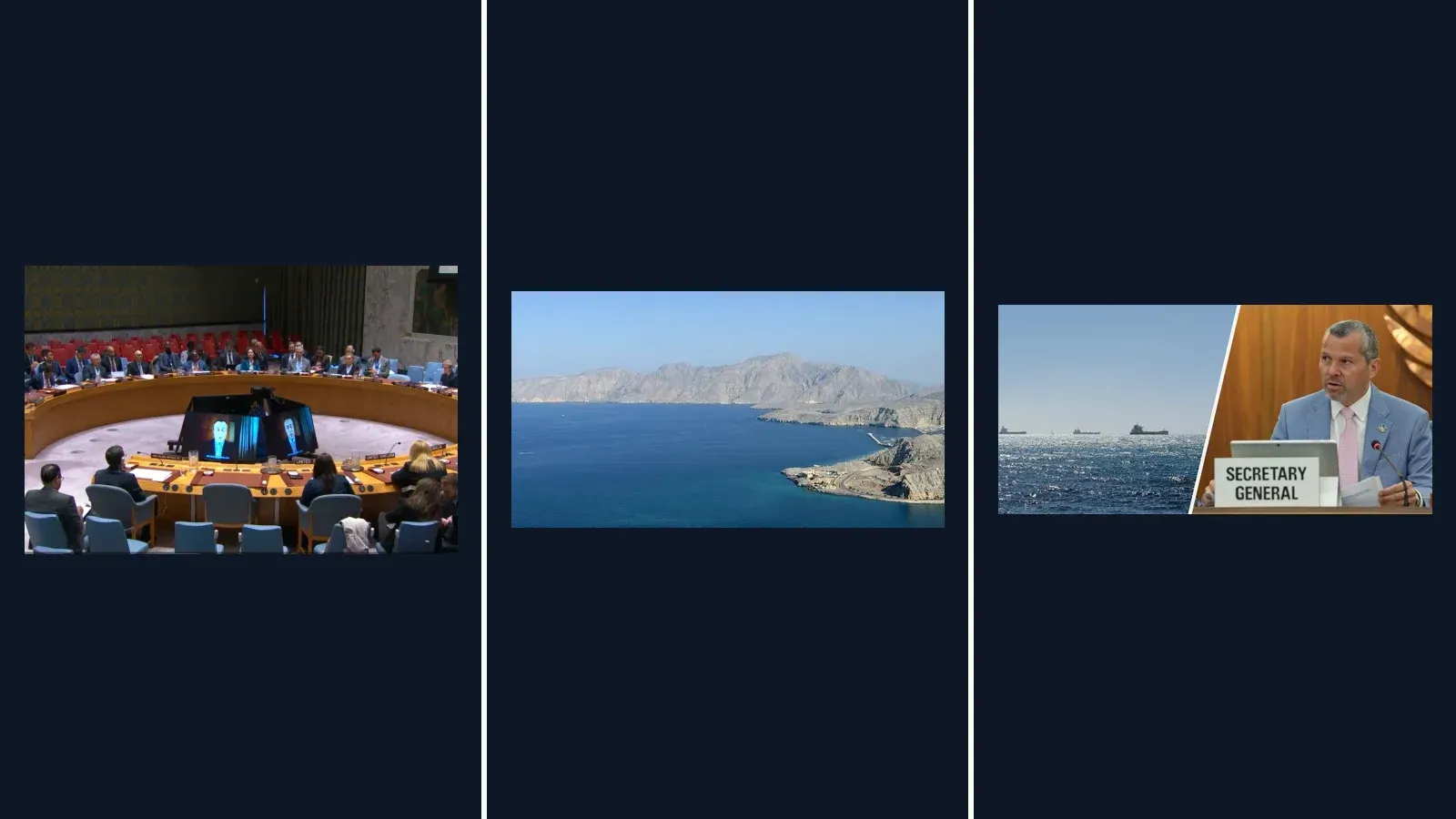
Many merchant crews have been stranded aboard ships in the Persian Gulf for months, UN Assistant Secretary-General Khaled Khiari told the Security Council on November 13. Bahrain requested the meeting after a month in which commercial vessels faced more incidents than in any other month since the Iran war began in February.
By November 11, the International Maritime Organization (IMO) had verified more than 130 attacks on merchant ships engaged in international trade in the Strait of Hormuz. At least 25 seafarers had died, the agency said. Others had suffered injuries or were still missing.
Ships left waiting in the Gulf
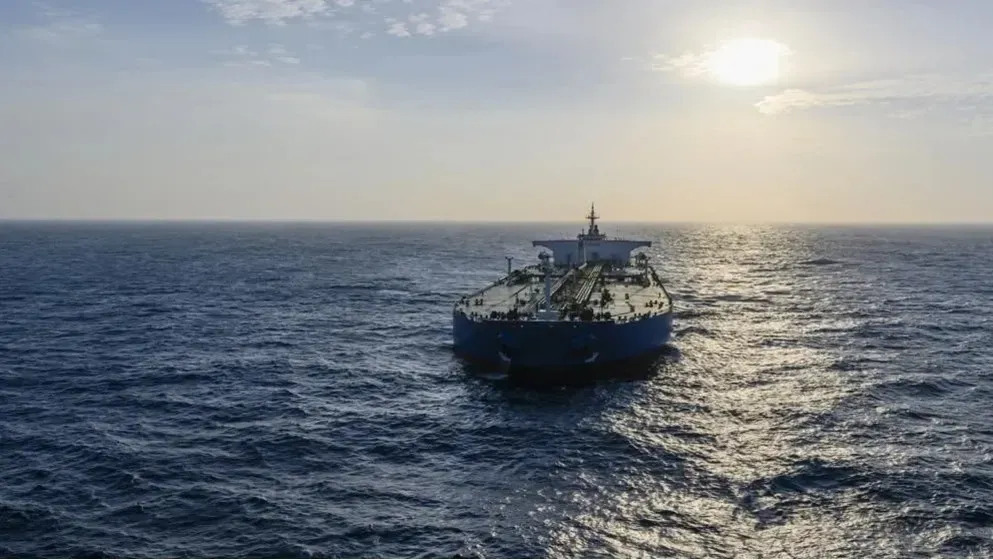
An IMO assessment on August 28 gave a sense of the scale of the problem aboard ships. Some crews had managed to leave the Persian Gulf by then. But up to 400 ships, with about 6,000 people aboard, had been unable to depart safely since the conflict began. Those figures describe conditions in August. In his November briefing, Khiari said many crews were still stranded.
The war began on February 28 when the United States and Israel attacked Iran. Iran struck targets across six Gulf states and Jordan, including US military facilities. In June, Pakistan mediated a 60-day ceasefire between Washington and Tehran. It expired in August without a peace agreement, according to UN News.
Energy exports recover as ship traffic lags
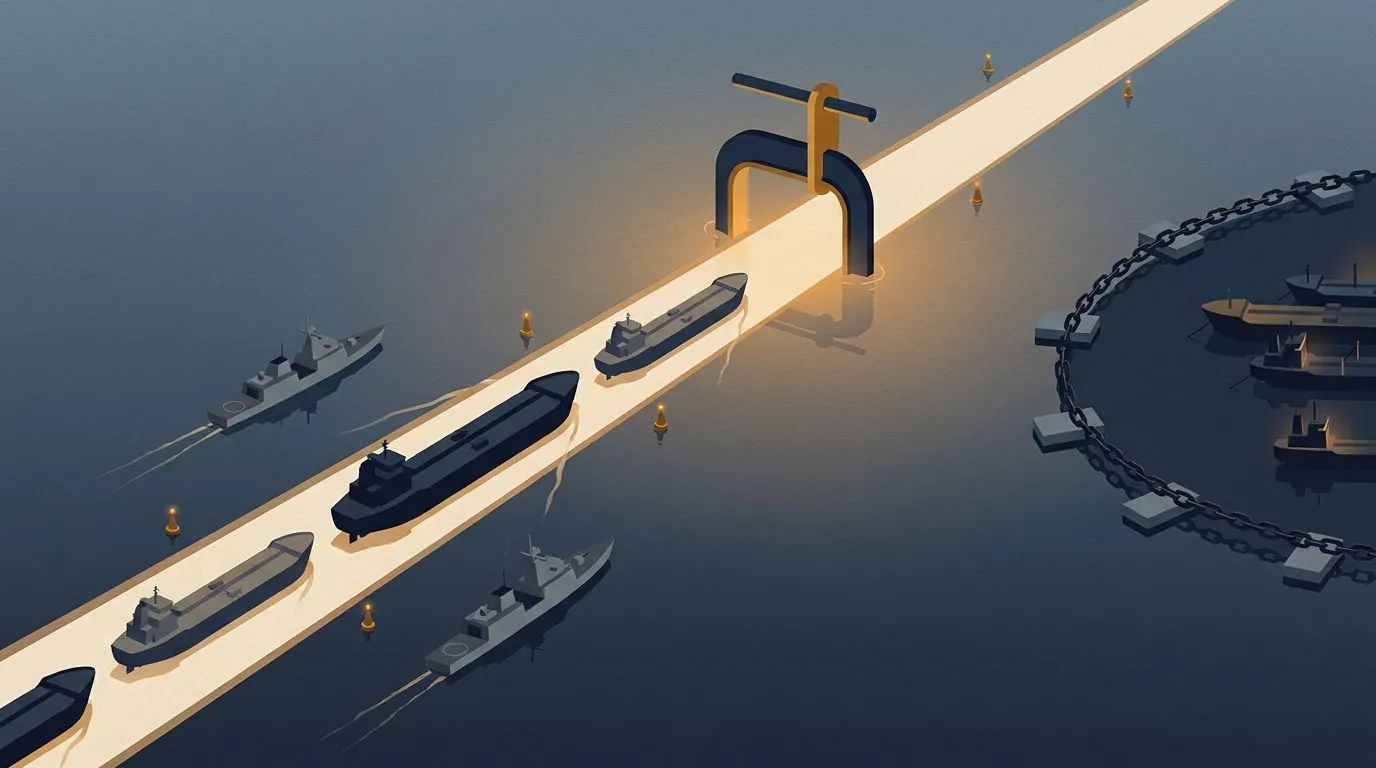
Before the war, about a fifth of the world's oil passed through the Strait of Hormuz. The number of ship transits through the strait remains roughly 65 percent below its prewar level, according to UK Maritime Trade Operations figures cited by UN News.
Khiari told the council that energy export volumes from the Gulf had largely recovered, in part because exporters could use alternative routes. The volume of cargo moving by sea was still below its prewar level. Beyond oil, the IMO has identified fertilizer as another commodity whose supply has suffered from disruption to shipping.
What shipowners and governments can do for crews
On November 11, IMO Secretary-General Arsenio Dominguez urged shipowners and operators to forgo commercial journeys through Hormuz when they would expose crews to unacceptable danger. He also asked governments to enforce existing safety rules. His appeal addressed countries where ships are registered, countries whose ports the ships use and coastal states, each acting within its jurisdiction.
Dominguez cited reports of ships in poor condition and vessels sailing under false registrations. He said too many ships passing through the strait were failing to meet basic safety requirements. He called on governments to agree on a single internationally recognized framework that would allow ships to navigate the strait safely.
For seafarers caught in the region, the IMO also maintains a directory of support services and regional contacts for stranded ships. The organization says the disruption extends beyond those on merchant vessels to port workers and crews working offshore.
Sources
- 1.Keterangan Khaled Khiari di Dewan Keamanan PBB, 13 November 2026, dppa.un.org
- 2.Laporan UN News tentang sidang Dewan Keamanan dan lalu lintas di Hormuz, news.un.org
- 3.Pernyataan IMO tentang serangan terhadap kapal niaga, 11 November 2026, imo.org
- 4.IMO assessment of stranded crews on August 28, imo.org
- 5.IMO support for seafarers and stranded ships, imo.org