Key points
- Reuters, citing three people familiar with the matter, says Trump told advisers he may hold off on new Iran strikes barring new provocations.
- Saudi Crown Prince Mohammed bin Salman and Turkish President Tayyip Erdogan urged him not to resume attacks, according to Reuters sources.
- The White House said only Trump knows what he will do, while US planners say escalation options remain ready.
- Rubio said on 13 November that economic pressure means further military action is not needed.
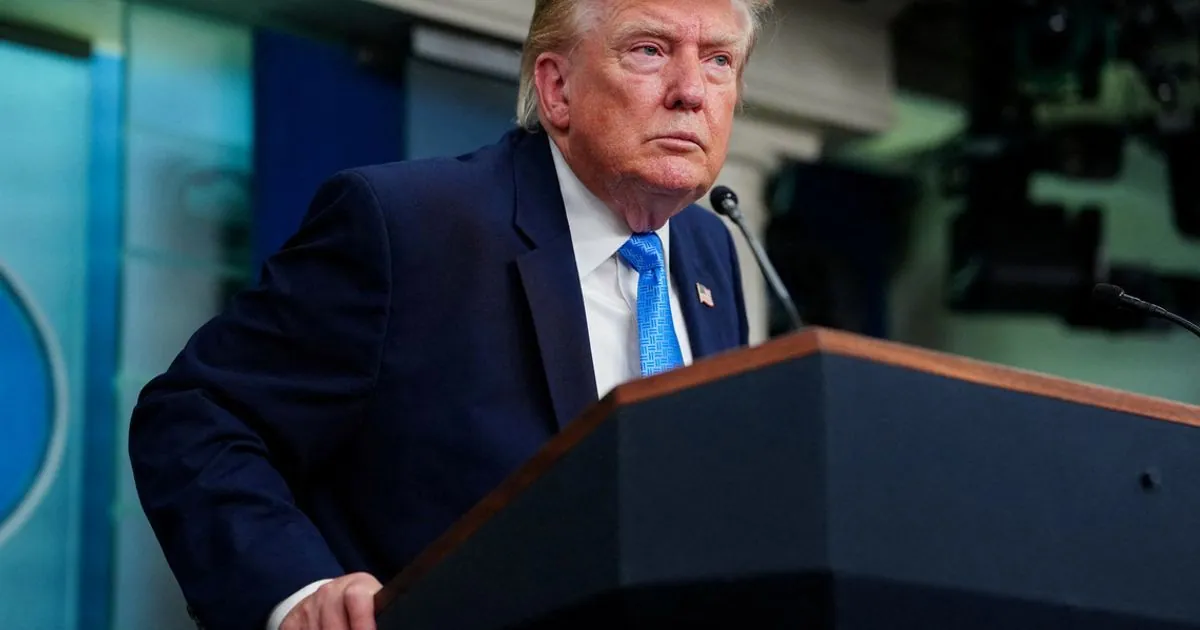
US President Donald Trump has told senior advisers in recent days that he may hold off on new attacks on Iran as long as Tehran and the Iran-backed Houthis in Yemen do not carry out new provocations, Reuters reported on 14 November, citing three people familiar with the matter.
The people, who spoke on condition of anonymity, said Trump raised the option in meetings with his national security advisers and after a series of intelligence briefings. According to Reuters, current and former officials say he does not appear to have made up his mind about how to resolve the conflict, which the United States launched with Israel in February.
What the White House says
The White House did not confirm the account. "As Commander-in-Chief, President Trump is the architect and sole decision-maker who holds all the cards and will always ensure that America's interests are protected," a White House official said in a statement quoted by Reuters. "The United States is in a very strong position with control of the Strait of Hormuz and the Iranian economy collapsing. Only President Trump knows what he will do, and when."
Trump's public comments this week have also played down a return to major fighting. "I could end it immediately, but at the request of the nations that I am looking to protect, we are doing it a little bit longer way, a bit more civilly," he told sports broadcaster Stephen A. Smith on 12 November, according to Reuters. In a social media post the same day he wrote: "We don't need a deal with Iran."
Calls with Riyadh and Ankara
According to a senior US official and another person familiar with the matter cited by Reuters, Trump asked Saudi Crown Prince Mohammed bin Salman and Turkish President Tayyip Erdogan for their views in phone calls over the past two weeks, and both urged him not to resume attacks. The same sources said Trump made no commitment either way.
Two other people told Reuters that Trump informed the crown prince on 31 October that he was planning to attack after the US elections, and that the crown prince asked him to hold off, arguing that sanctions on Iran were working. Saudi Arabia's Foreign Ministry did not respond to Reuters' request for comment. Turkey's presidency has said Trump and Erdogan have spoken three times since 28 October.
Military options remain
Reuters also reported, citing three more people familiar with US planning, that the US military is ready to escalate if ordered. A third aircraft carrier is moving into the Middle East to replace one of the two already there, and all three could stay if needed, those people said. Two US officials told Reuters that intelligence agencies have assessed renewed strikes would not significantly shift Iran's negotiating demands, and that some US weapon stockpiles have drawn down to worrying levels. The White House official said the military "has enough munitions and ammo to serve all of the Commander-in-Chief's strategic goals and beyond."
Israeli officials have continued to lobby the administration for another military campaign, a US official told Reuters.
Rubio points to economic pressure
The report follows remarks by Secretary of State Marco Rubio, who said in a speech to the Federalist Society on 13 November that further military action was not needed. "Right now, frankly, the economic pain that we are inflicting on that regime is so great that there's no need for military action because we've weakened them so much," Rubio said, according to the Associated Press (AP). He added that victory meant "ensuring that they never have a nuclear weapon."
Tensions continue at sea and in the Gulf
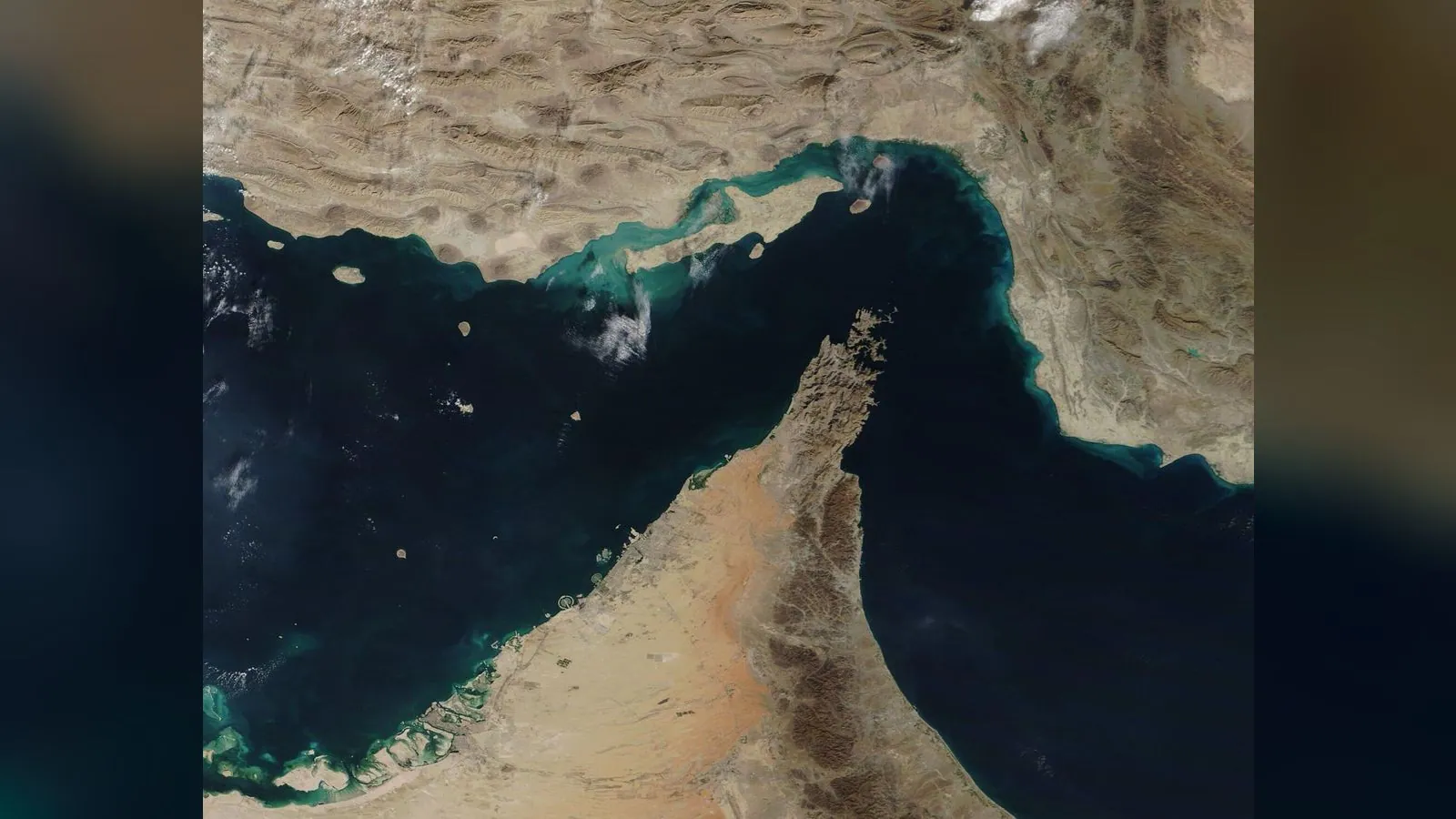
The signals from Washington come as incidents continue in the region. US Central Command said on 13 November that US forces shot down two Iranian attack drones headed toward Bahrain, with no injuries or damage, and denied an Iranian claim that a US radar in Bahrain had been hit, AP reported. Iran's Revolutionary Guard said a liquefied petroleum gas tanker struck a mine in the Strait of Hormuz; AP said the claim could not be independently verified.
At the UN Security Council on 13 November, Iran's deputy UN ambassador, Gholamhossein Darzi, said any response to renewed fighting would be "directed against the source of aggression, wherever it may be," according to AP.
Political backdrop at home
According to Reuters, the war has raised global fuel prices and proved unpopular with US voters. In a Reuters/Ipsos poll taken shortly before the 3 November midterm elections, 55% of Americans said the war was not worth the cost. Democrats won control of Congress in those elections.
Sources
- 1.Reuters via Al-Monitor: Trump tells advisers he may hold off on Iran attacks barring new provocations, sources say (14 Nov 2026), al-monitor.com
- 2.The Straits Times (Reuters): Trump may hold off on Iran attacks, sources say (14 Nov 2026), straitstimes.com
- 3.Arab News (AP): Rubio says further US military action is not needed against economically weakened Iran (14 Nov 2026), arabnews.com