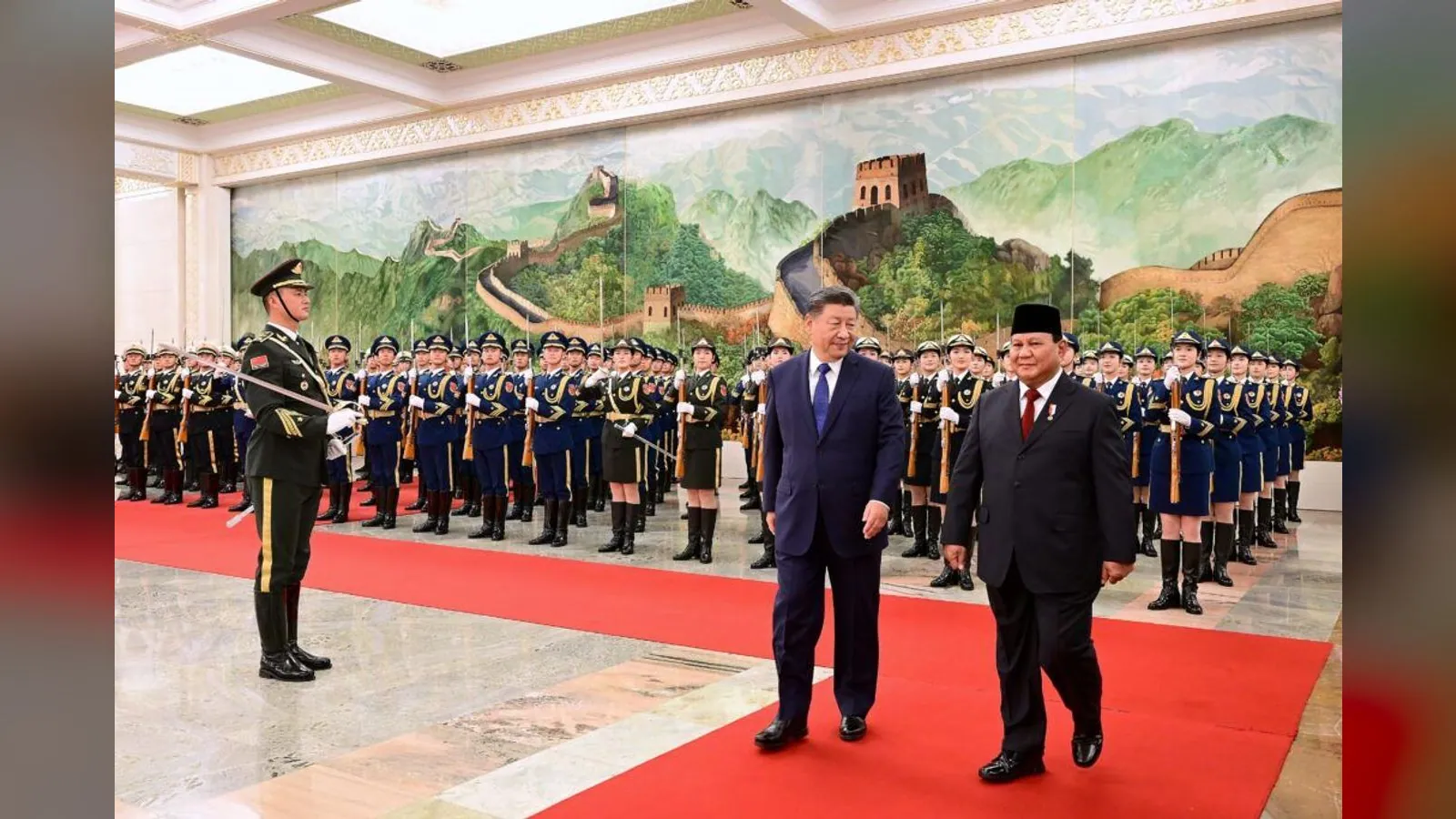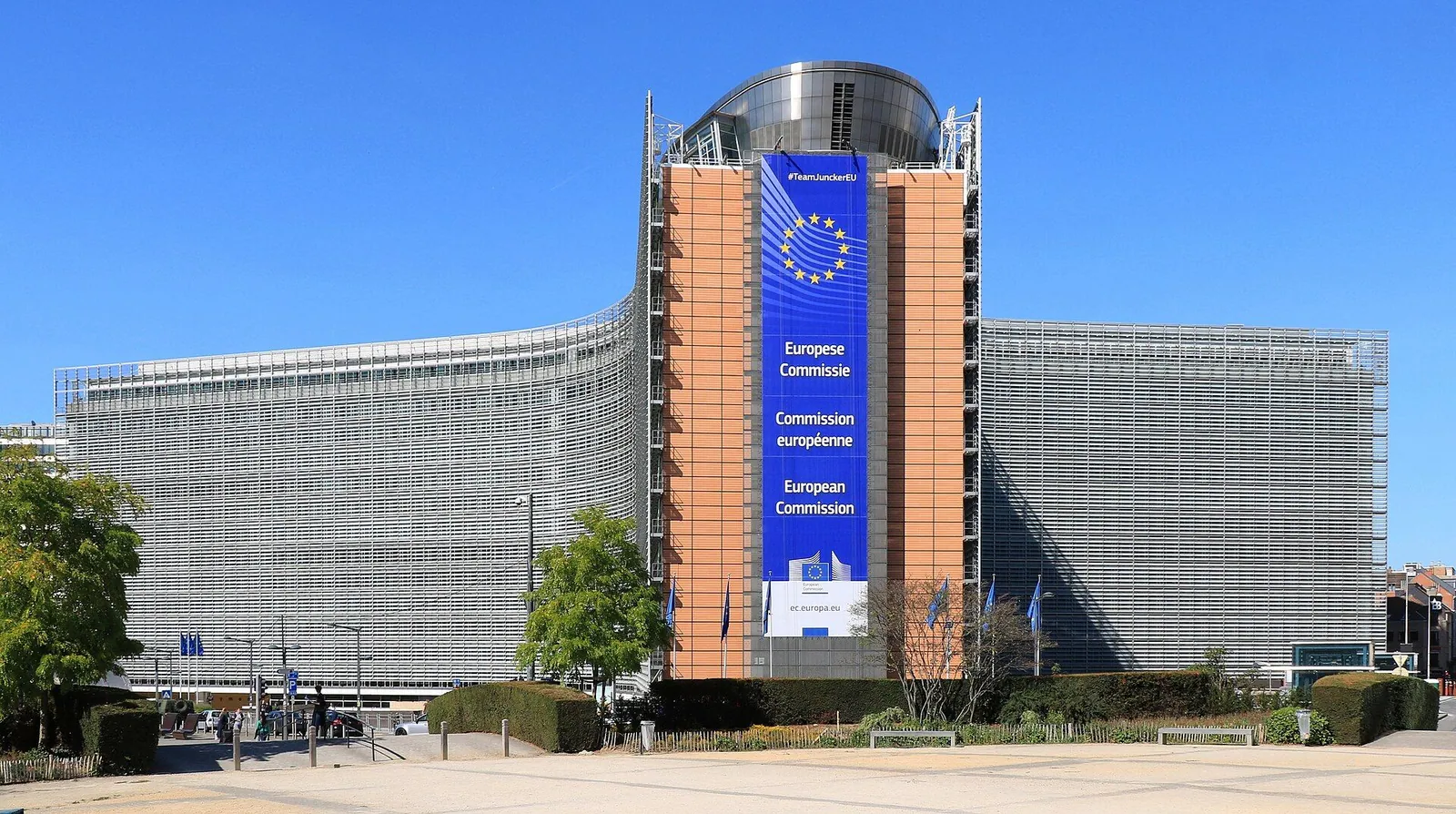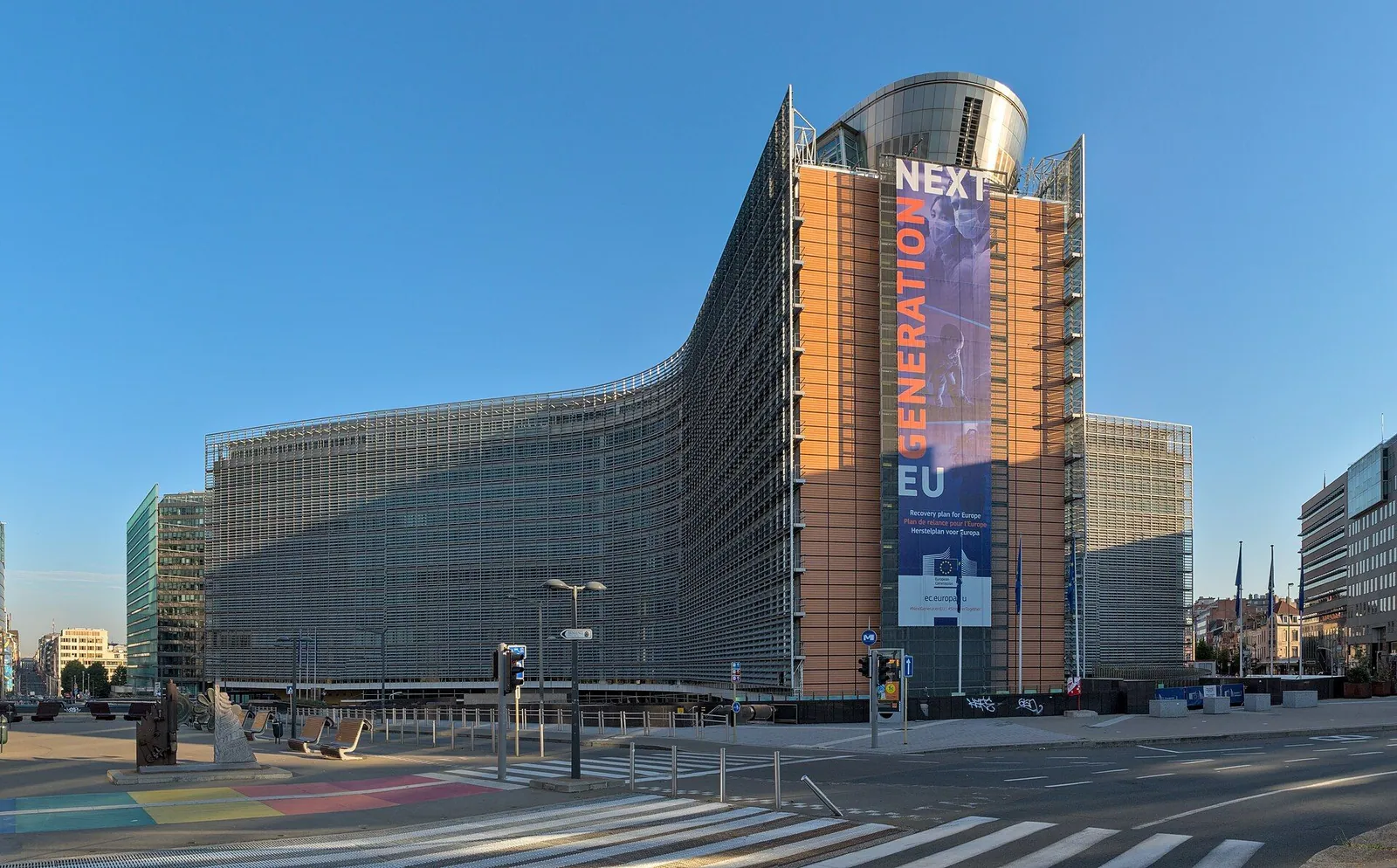
The European Union and Indonesia signed a Comprehensive Economic Partnership Agreement (CEPA) and a separate Investment Protection Agreement (IPA) in Brussels on 21 November 2026. The signing is a significant diplomatic milestone, but it is not the same as the full agreements taking effect. Approval and domestic procedures remain, and the distribution of benefits among exporters, workers, consumers and smaller businesses is not guaranteed.
What was signed and what remains
The European Commission confirmed the signatures on 21 November. The EU Council had authorised signature and provisional application on 18 November. According to the Council, the European Parliament must still give consent before the Council formally concludes the agreements. Provisional application also requires both sides to notify each other that their respective internal procedures are complete. Neither the signature nor a forecast should be reported as proof that all tariffs have already disappeared.
The timing matters because Indonesia is expected to graduate from the EU's Generalised Scheme of Preferences on 1 January 2027. The Council says both parties want to apply the new arrangements quickly, but the precise start depends on procedures rather than a political announcement alone. Reuters also reported that the agreements were signed after a decade of negotiations and that early 2027 is the anticipated timeframe, not a guaranteed effective date.
Tariff benefits are projections, not cash in hand
The Council says as many as 98.5% of tariff lines will eventually be liberalised, with 96% of Indonesian tariffs removed within five years. It estimates roughly €600 million in annual customs-duty savings for businesses. The Commission projects EU exports to Indonesia rising almost 40% over 15 years and Indonesian exports to the EU by more than 14% over the same period. These are modelling outcomes, not audited gains or revenues already collected by either government.
The projections have different denominators and time horizons. A share of tariff lines is not the same as a share of trade value, while a projected rise in exports is not a direct estimate of higher wages, household purchasing power or public tax receipts. Reporting them as immediate benefits would exaggerate what has been established.
The Council identifies agri-food, automobiles, textiles, footwear, chemicals, pharmaceuticals and machinery among the sectors likely to be affected. Indonesian duties on EU cars, currently as high as 50%, are slated for elimination over five years. For Indonesian manufacturers competing with imports, lower duties could sharpen price competition. For consumers and firms importing equipment, lower barriers may widen choice and reduce some costs. The final retail impact will also depend on exchange rates, transport, distribution margins and market concentration.
Who could be left behind?
Large exporters with established certification, financing and distribution networks may be better placed to exploit access to the EU than small firms that face compliance costs. This is a risk to examine, not evidence that small businesses will necessarily lose. Policymakers should publish practical support for smaller producers, sector-by-sector exposure assessments and evidence on whether trade gains translate into jobs and incomes.
The Council says sensitive EU agricultural products including rice, sugar and ethanol are excluded from tariff liberalisation, with limited quotas for certain other products. That does not mean every Indonesian agricultural producer is insulated from competition. Actual effects depend on the final schedules and rules of origin, which businesses and independent analysts need to examine rather than rely on headline percentages.
Environmental and investor safeguards require scrutiny
The Council describes a trade and sustainable-development chapter with climate, environmental and labour commitments, recognising the Paris Agreement as an essential element. The IPA states that governments retain the right to regulate for public health, the environment, climate and sustainable development. It also contains investment guarantees and a programme for further negotiations over an investor-to-state dispute mechanism.
Those assurances matter, but their effectiveness will depend on implementation, transparency, dispute procedures and enforcement. Trade cooperation on energy and critical raw materials raises questions about extraction, forest impacts and the distribution of value to communities near mining and processing sites. The agreement alone does not demonstrate that such harms will occur, nor does it prove that safeguards will be enforced.
What accountability should look like
Indonesia and the EU should publish accessible final texts, tariff schedules, implementation dates and independent impact assessments. Legislators and the public should be able to test whether promised export growth reaches workers and smaller suppliers, whether consumer savings materialise, and whether environmental protections survive commercial pressure. Until the relevant procedures are complete, the verified fact is the signing of two agreements, not the arrival of every promised economic benefit.
Sources: European Commission statement (21 November 2026); EU Council statement (18 November 2026); Reuters reporting (21 November 2026).