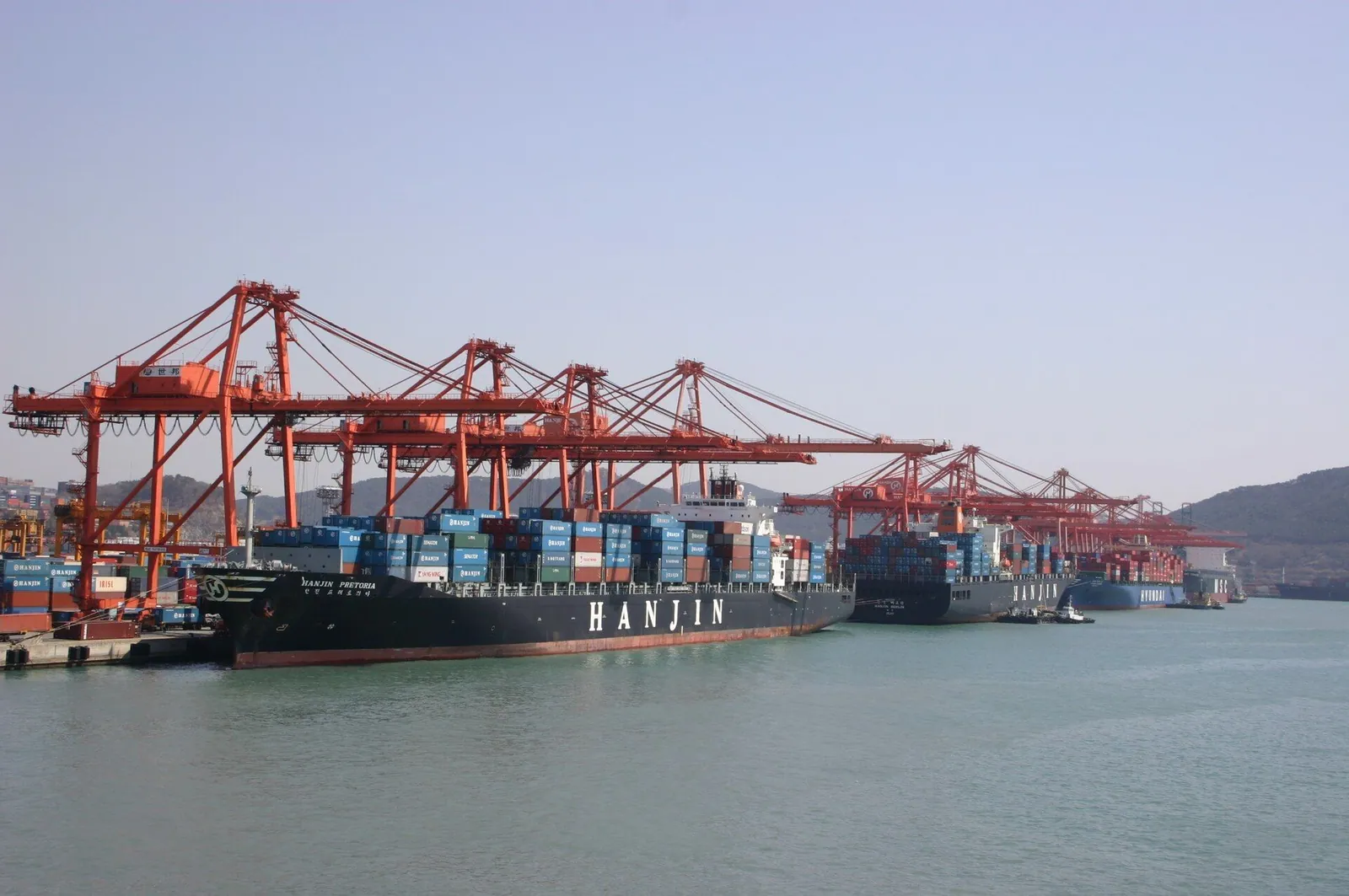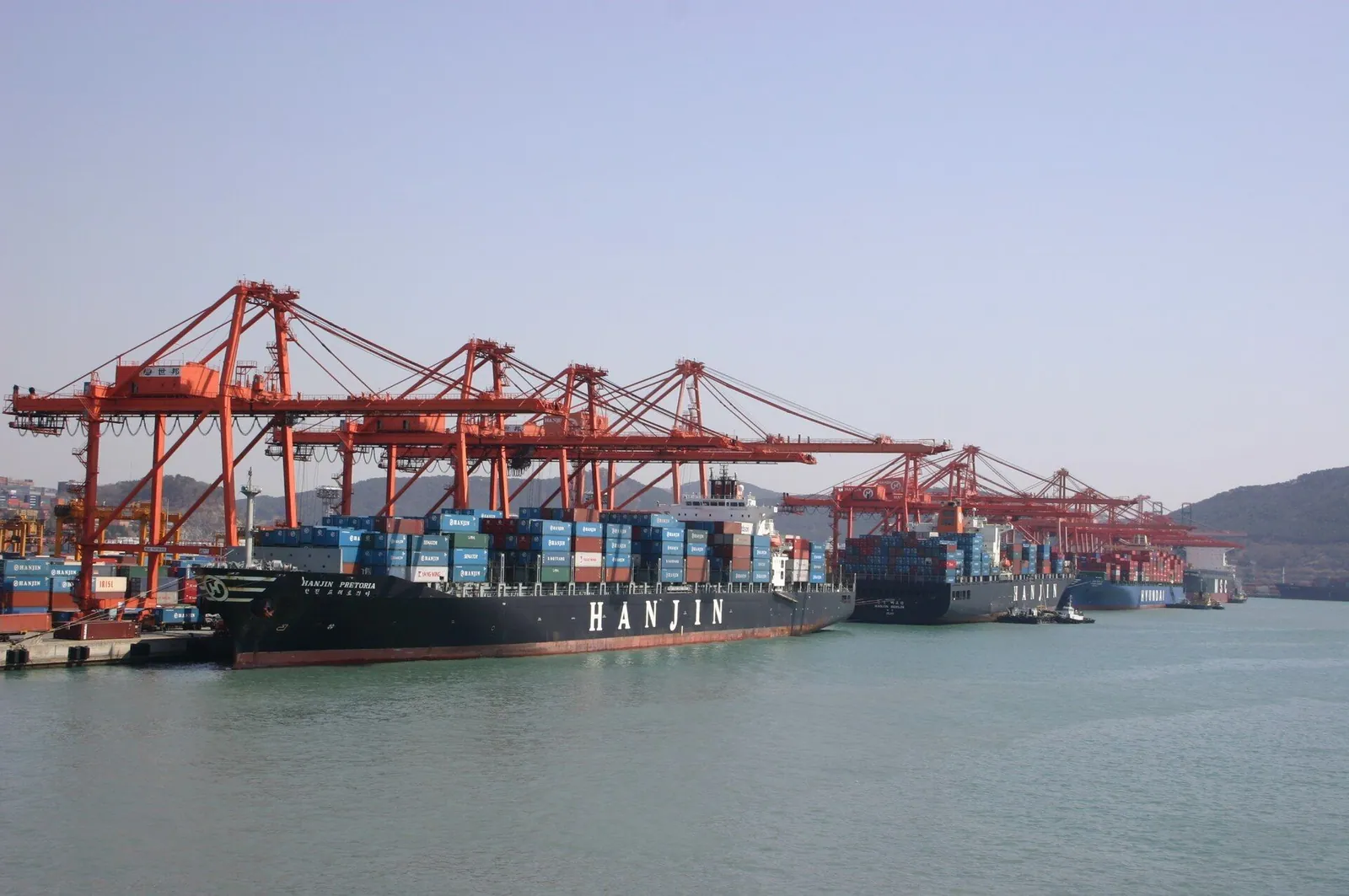
South Korea's exports exceeded $1 trillion for the first time on November 19, 2026, according to its Ministry of Trade, Industry and Resources. The country became the fourth to reach the annual milestone, after the United States, China and Germany. The record reflects extraordinary demand for memory chips used in artificial intelligence infrastructure, but also illustrates a growing concentration of export earnings in one volatile industry.
The ministry said cumulative exports crossed the threshold at 2:09 p.m. local time on Thursday. This is the value of merchandise shipped overseas during the calendar year so far, not an estimate of government revenue, profit or foreign investment. The ministry's announcement was reported by Yonhap and Reuters, and published through the government's official press-release service.
Chips account for more than two-fifths of exports
Semiconductor exports totaled about $397.7 billion in January through October, compared with $135.4 billion in the same period of 2025, according to figures Yonhap attributed to the ministry. That represented about 42.7% of exports over the ten months. Global technology companies have been investing heavily in data centres, increasing demand for high-performance memory, while higher semiconductor prices have lifted the dollar value of shipments.
The figures highlight both strength and exposure. A jump in export value can reflect price increases as well as higher volumes; it does not automatically translate into an equivalent rise in manufacturing output. South Korea's position in AI hardware gives its chipmakers access to a rapidly expanding market, but makes overall trade performance sensitive to technology spending cycles.
Other industries also contributed. The ministry said cosmetics and pharmaceuticals posted record export figures, while petrochemicals, ships and displays supported shipments. It also flagged protectionism and international competition as threats to exporters. South Korea's export mix therefore remains broader than chips, even as the sector dominates the latest surge.
A record that households may not feel equally
The milestone arrives alongside concerns about domestic demand and stock-market volatility. Reuters reported on November 18 that the chip industry is capital-intensive and employs a relatively small proportion of workers, while stock-market losses have affected household spending. Strong overseas sales by leading companies do not establish that household income or consumption is rising at the same pace.
President Lee Jae Myung has said the benefits of export growth should extend to more regions, smaller firms and future industries. His administration has outlined a 162.3 trillion won Future Response Fund supporting development, education and younger people, Reuters reported. These plans are government policy intentions; their ultimate effect on jobs and living standards remains to be assessed.
The Bank of Korea has also examined the risk that slower AI infrastructure investment could undermine chip exports. Such scenarios are warnings rather than forecasts that a downturn will necessarily occur. Investors and policymakers will watch both the scale of AI spending and semiconductor pricing.
What comes next
The government says it wants to strengthen trade cooperation, reduce uncertainty for companies and foster new growth industries. Deputy trade minister Kang Kam-chan told Yonhap that chip demand could continue to support exports into 2027, but the ministry acknowledged price swings and protectionism could challenge momentum.
For trading partners, the record underscores the role of South Korean chips in the global AI supply chain. For South Korea, the central question is whether a spectacular export number can be turned into diversified, durable growth and benefits beyond the largest semiconductor producers.
Sources: Korean government release; Yonhap, November 19; Reuters, November 19; Reuters, November 18.