Key points
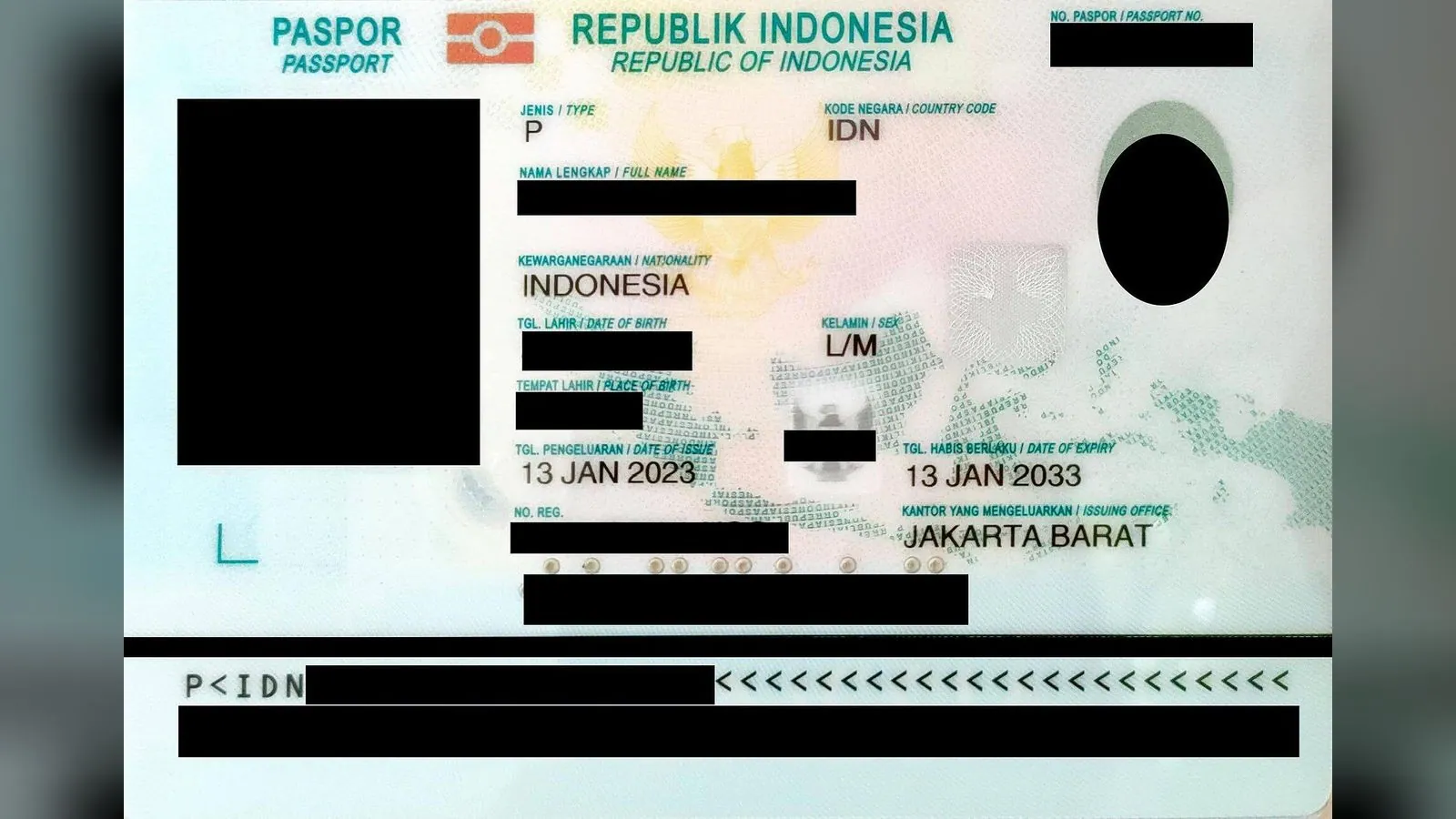
- Ransomware group Hyflock claimed on 26 November to hold passport data on more than 90 million Indonesians, including biometrics; the claim is unverified.
- Immigration Director General Hendarsam Marantoko said on 28 November there was no indication of an attack, citing checks with BSSN and police, but no findings were published; he also reported the spread of the claim to police.
- Vaksincom says 77 staff computers were infected with password-stealing malware and logins to internal systems including paspor-cms were stolen.
- The Personal Data Protection Law requires notification within 3 x 24 hours of a confirmed breach, but the supervisory body it mandates has still not been set up.
Indonesia's immigration authority said on Saturday it had found "no indication whatsoever" of a cyberattack, two days after a ransomware group claimed to have stolen the passport records of more than 90 million Indonesians, including fingerprints and other biometric data. But the agency has not made public any findings from the check it says it ran, and an independent security firm says passwords for internal passport systems had already been stolen from infected staff computers.
The claim has not been independently verified. No outlet or researcher cited here has confirmed that the data offered by the hackers came from the immigration system.
What the hackers claim
The claim surfaced on Thursday, 26 November, when Hackmanac, a Dubai-based cyber threat intelligence firm that tracks breach claims, posted an alert on X saying a group called Hyflock said it had broken into the internal network of the Directorate General of Immigration, according to Antara and Tempo.
"We have hacked the internal network of Immigration and obtained more than 90 million passports, as well as fingerprint and biometric information," Hyflock wrote, according to Kompas TV. The group said it would consider selling the data rather than releasing it, and challenged security firms, naming Check Point, to test whether the data was genuine.
Vaksincom, a Jakarta-based security firm, said Hyflock and an account using the name Bjorka claimed on 26 and 27 November to hold 679 databases totalling 3.37 terabytes, with at least 190 million rows of data including applicants' photos and fingerprints. Vaksincom stressed that these figures are the attackers' claims and unproven.
Kompas TV, citing Check Point research, described Hyflock as an extortion group first seen on underground forums in March 2026, offering ransomware as a service to affiliates. Citing the tracker RansomDB, it reported that the group had claimed 24 attacks in 15 countries in October and November.
The government's denial
At a press conference in Jakarta on Saturday, Director General of Immigration Hendarsam Marantoko said he had received a report from the responsible director overnight and had cross-checked it.
"We can confirm that, as of now, there is no indication whatsoever," Hendarsam said, according to Antara. He told detikcom and kumparan that a check had been carried out with the National Cyber and Crypto Agency (BSSN) and police cyber investigators, and that passport services were running normally.
The press reports of his remarks contain no details of what that check examined or found. Hendarsam also said the directorate had filed a report with the Jakarta Metropolitan Police "to investigate who is trying to create commotion and public anxiety", adding: "We suspect this is only meant to lower public trust in the government, especially Immigration."
Katadata reported on Friday that it had asked both the ministry and BSSN for comment and received no reply before publication. NewsWLD could find no separate public statement from BSSN on the claim as of Sunday morning.
What an outside check found
Vaksincom founder Alfons Tanujaya said his firm examined the agency from the outside on Friday, without attempting to enter any system, and found 10 high-risk findings.
According to Vaksincom, at least 77 employee computers had been infected with "infostealer" malware, which copies passwords saved in web browsers, with the most recent infection recorded on 2 October 2026. Of the stolen staff passwords it checked, 33 of 38 were weak. Passwords of about 13,650 members of the public who use the agency's services had also been stolen from their own devices, the firm said.
The most significant finding, Vaksincom said, was that the stolen credentials included logins for internal systems named paspor-cms, cekal (travel bans), soti and interkoneksi2. Tanujaya told Katadata these systems cannot be reached from the open internet, only from the office network or through a VPN, which means infected staff computers had been connected to the internal network. Katadata reported that credentials for paspor-cms had been stolen at least 23 times.
"If the keys are already in hand, the attacker does not need to break anything. They just walk in through the front door," Tanujaya told Katadata.
Vaksincom also said it found a code repository server belonging to the agency that was reachable directly from the internet without the filtering that protects its main website. The firm said this was a possible entry point, not proof of how any intrusion happened, and described its overall analysis as "a suspicion based on matching clues, not a forensic conclusion".
Vaksincom said the agency could check within hours whether the hackers' samples were genuine by matching the file names in the samples against files on its own servers. It urged the agency to review cloud, code repository and VPN access logs for the past two to three months, reset all passwords, close exposed services and notify the public under the Personal Data Protection Law.
A legal duty to notify, and no regulator yet
Under Article 46 of Law No. 27 of 2022 on Personal Data Protection, a data controller must notify affected people and the supervisory body in writing within 3 x 24 hours if personal data protection fails, stating what data was exposed, when and how, and what is being done about it. In certain cases the controller must also inform the public. That duty would apply only if a breach is confirmed.
The supervisory body the law requires still does not exist. A Communication and Digital Ministry (Komdigi) official said on 6 November that the draft presidential regulation to create it was in its final stage and had been sent to the President through the State Secretariat, with no date set, detikcom reported. The law took full effect on 17 October 2024.
At a public discussion reported by the rights group ELSAM, a Komdigi analyst said the ministry had received 294 reports of personal data violations or failures since 2019. ELSAM researcher Nurul Izmi said that in several past cases the public learned of suspected leaks from the news or the internet rather than from the data controller. ELSAM executive director Desiana Samosir said leaks were still occurring without significant corrective follow-up.
A pattern of denials
This is not the first such claim against the immigration agency. In July 2023 the hacker Bjorka offered what he said were 34.9 million Indonesian passport records. Then Director General Silmy Karim said a digital forensic review found no leak of biometric data and that the circulating data came from an old structure from early 2022, Katadata reported. At the time, the then Communications Ministry said an initial sampling showed "similarities" with passport data but could not confirm the source, and security researcher Pratama Persadha said the sample included his own expired passport.
In June 2024 a ransomware attack on the Temporary National Data Centre (PDNS 2) in Surabaya disrupted immigration services including airport checks, visas and passports, according to Katadata.
What passport holders can do
Vaksincom advised passport holders to be wary of messages that quote their passport number correctly, since that is no longer proof that the sender is an official, never to share OTP codes, PINs or transfer money via chat, and to change passwords for immigration service accounts and enable two-step verification where available.
The immigration directorate has not said whether it has compared the hackers' sample files against its own data, or whether it will publish the results of the check it says was carried out with BSSN.
Sources
- 1.Antara: Dirjen Imigrasi bantah isu kebocoran data 90 juta paspor RI (28 Nov 2026), antaranews.com
- 2.Antara English: Indonesian immigration denies leak of 90 million passport records, en.antaranews.com
- 3.Tempo English: Indonesia Responds to 90 Million Passport Data Leak Claim, en.tempo.co
- 4.detikcom: Dirjen Imigrasi Bantah Isu Data Paspor Bocor, Tegaskan Tak Ada Serangan Siber, news.detik.com
- 5.kumparan: Dirjen Imigrasi Bantah Ada Kebocoran Data Paspor, Akan Laporkan Penyebar Hoaks, kumparan.com
- 6.Kompas TV: Kelompok Hacker Klaim Retas Ditjen Imigrasi, Curi 90 Juta Data Paspor Indonesia, kompas.tv
- 7.Katadata: Peretas Klaim Curi 90 Juta Data Paspor, Ada Temuan Infeksi di Sistem Imigrasi, katadata.co.id
- 8.Vaksincom: Data Paspor Diklaim Bocor, Benang Merah yang Terlihat dari Luar, vaksin.com
- 9.UU No. 27 Tahun 2022 tentang Pelindungan Data Pribadi, Pasal 46, pasal.id
- 10.detikInet: Kabar Terbaru Wasit Data Pribadi, Perpres Sudah di Meja Presiden (6 Nov 2026), inet.detik.com
- 11.ELSAM: Otoritas PDP Belum Terbentuk, Siapa Awasi Kebocoran Data Pribadi?, elsam.or.id
- 12.Liputan6: Hasil Investigasi Kominfo soal Dugaan 34 Juta Data Paspor Indonesia Bocor (2023), liputan6.com