Key points
- The Washington Post, citing unnamed sources, says Iran used Starlink without authorisation for command and control and drone operations in early March.
- The Pentagon says it is not aware of the classified report described and has not said whether Iran used Starlink.
- Whether Starlink played a role in the March 1 Port Shuaiba strike that killed six US soldiers has not been established.
- The Post also reports Musk was angry that the US military flew attack drones on a cheaper Starshield ground plan.
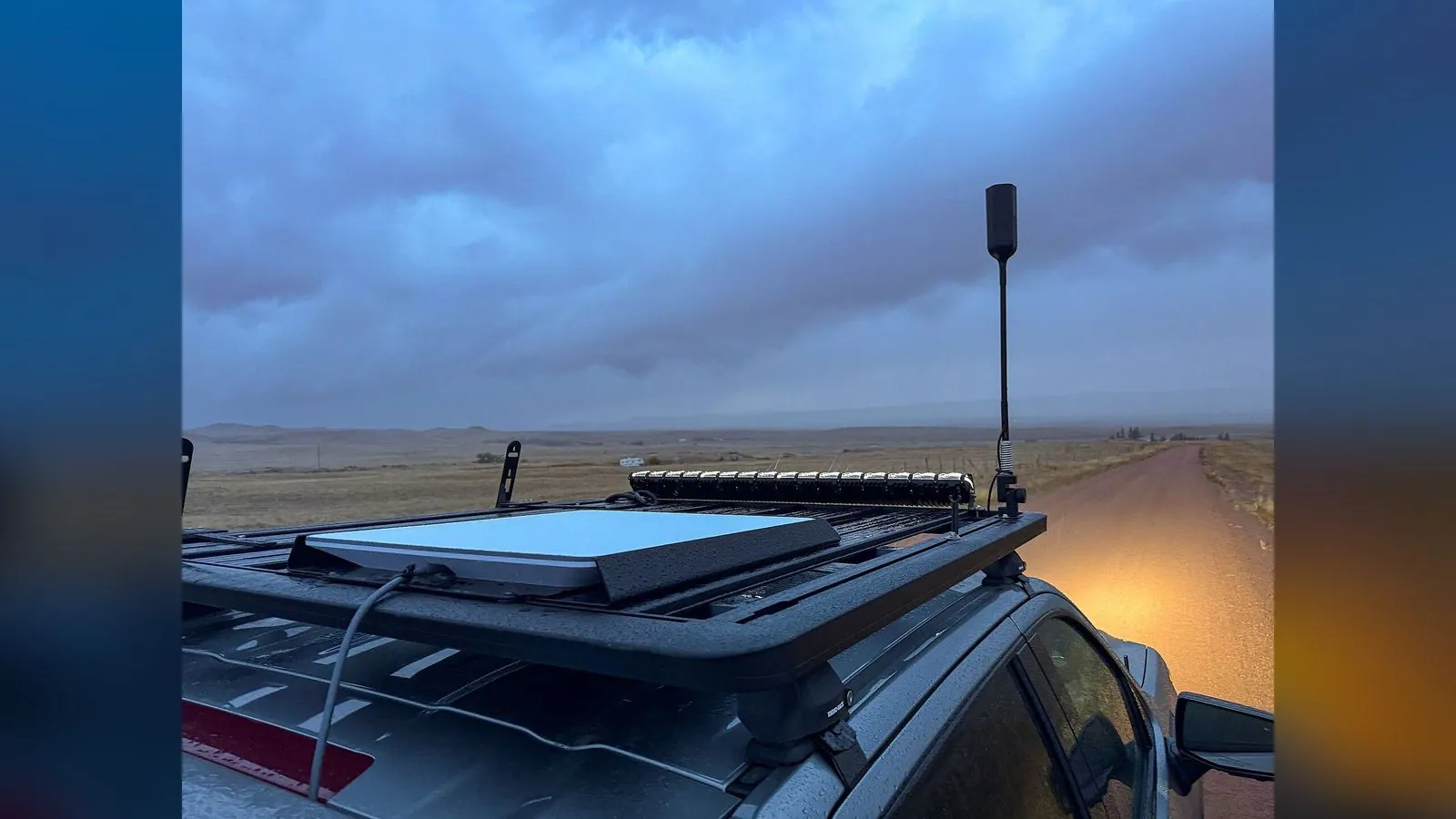
Iran's military used SpaceX's Starlink satellite internet service without authorisation to help run its campaign against US forces in the first days of the war that began at the end of February, The Washington Post reported on Saturday, citing people familiar with the matter. The Pentagon said it was not aware of the classified report the newspaper described. Musk and SpaceX did not respond to the Post's requests for comment, and SpaceX did not immediately respond to Reuters or Fortune.
The report raises questions that neither the company nor the US government has answered in public: how a commercial network that is not licensed in Iran ended up serving its armed forces, what SpaceX knew and when, and whether the service played any part in a March 1 strike that killed six US soldiers.
What the report says
According to the Post, as summarised by Reuters, Fortune and The Jerusalem Post, Iran used Starlink for command and control of its forces and to oversee one-way attack drone operations after US strikes degraded its conventional communications. The Post cited four people familiar with the operations, The Jerusalem Post reported.
A classified war update delivered to Defense Secretary Pete Hegseth over the summer briefly described Iran's use of the service, one person told the Post, according to The Jerusalem Post and Fortune.
Musk became enraged in the first week of March on learning of two unauthorised uses of Starlink that his team concluded were linked to Iran's efforts against US forces, Reuters reported, citing the Post and two people familiar with internal company discussions. At least two company executives were fired by the end of that week over the incidents, one person told the Post, The Jerusalem Post reported. NewsWLD could not independently confirm those dismissals.
The Pentagon's response
"The Department is not aware of the report to OSW pertaining to this subject," Pentagon Press Secretary Kingsley Wilson told Fortune, referring to the office of the secretary of war. The Defense Department gave Reuters a similar statement. According to The Jerusalem Post, the department declined to comment on whether Iran had used Starlink.
That statement addresses whether a specific report reached the secretary's office. It does not say whether Iran used the network. No official US account of Iranian use of Starlink has been made public.
The Kuwait strike remains unexplained
An Iranian drone strike on a US facility at Port Shuaiba in Kuwait on March 1 killed six US Army Reserve soldiers, Hindustan Times reported. The Post did not establish whether Starlink was used in that attack, and the Pentagon has not made the findings of its investigation public, The Jerusalem Post reported. Asked by the Post whether Starlink was involved, the Pentagon declined to comment, according to Hindustan Times.
Within hours of the Kuwait strike, SpaceX imposed identity verification requirements for terminals on aircraft flying faster than 100 miles per hour, sources told the Post, Fortune reported. Weeks later the company tightened controls on its sales network and paused a programme that had allowed authorised resellers to pass terminals to sub-resellers, according to the same account.
On March 1, Musk wrote on X: "It is a violation of commercial Starlink terms of service to use the terminal for weapon systems. This applies to all users and is shut down when discovered," Hindustan Times reported.
The Pentagon's own use of Starshield
The Post also reported that Musk was angry about the US military flying one-way attack drones on Starshield, SpaceX's military version of the network, under a cheaper subscription meant for ground use, according to Reuters and Fortune. Fortune said the drone in question is a low-cost US attack drone known as LUCAS.
Sources told Reuters in May that SpaceX executives argued the military had been paying about $5,000 per terminal while using a higher tier of service worth nearly $25,000, Fortune reported. The Pentagon countered that the $25,000 monthly fee was meant for aircraft, not one-way attack drones, according to the same report.
Civilians caught in the middle
Starlink is not licensed to operate in Iran, but Musk has previously said the service is active there, Reuters reported. Iranian authorities cut public internet access during deadly nationwide protests in January, after which the US government smuggled thousands of Starlink terminals into the country, Reuters said, citing The Wall Street Journal. Before the war, SpaceX offered free service to Iranians who had a terminal, Fortune reported.
That leaves SpaceX with a difficult choice: switching off terminals in Iran could also cut off dissidents and ordinary people who rely on them during government blackouts, while sources told the Post it is nearly impossible to stop any public Starlink terminal from being used by US adversaries, according to Fortune and The Jerusalem Post.
A private network at the centre of two wars
The account adds to scrutiny of how much control one private company has over battlefield communications. In February, SpaceX cut off Russian troops in Ukraine by shutting down terminals that were not on a whitelist of authorised users, Fortune reported. More recently, Ukraine has complained that its own Starlink service has been sharply throttled, Fortune reported, with Ukrainian forces reporting speed limits of 100 miles per hour on their terminals in two instances this autumn, which makes Kyiv's attack drones easier to shoot down. Neither SpaceX nor the US government has taken responsibility for those limits, Fortune said.
What is still unknown
Several points in the Post's account rest on unnamed sources and have not been confirmed on the record:
- Whether the classified update to Hegseth exists in the form described. The Pentagon says it is not aware of it.
- How Iran obtained the terminals or service accounts it used, and how many were involved.
- Whether Starlink played any role in the March 1 strike in Kuwait. The Pentagon has not released its findings.
- What SpaceX did with the accounts it identified, beyond the policy changes reported.
SpaceX and Iran's Foreign Ministry did not immediately respond to Reuters' requests for comment.
Sources
- 1.Iran used Elon Musk's Starlink to help wage attacks against U.S. (The Washington Post, 28 Nov 2026), washingtonpost.com
- 2.Iran used Elon Musk's Starlink in attacks on U.S. forces, Washington Post reports (CNBC/Reuters, 28 Nov 2026), cnbc.com
- 3.Iran used Starlink in attacks on US forces, Washington Post reports (Arab News/Reuters, 29 Nov 2026), arabnews.com
- 4.Iran used SpaceX's Starlink to command its forces and oversee drone attacks, report says (Fortune, 28 Nov 2026), fortune.com
- 5.Iran used Musk's Starlink to support attacks on US forces at start of war, report (The Jerusalem Post, 28 Nov 2026), jpost.com
- 6.Iran used Starlink internet to attack the US, report claims (Hindustan Times, 29 Nov 2026), hindustantimes.com