Key points
- Juri Ardiantoro told the DPR that poverty fell to 8.07% in March 2026, about 920,000 fewer poor people than a year earlier, and unemployment to 4.75%.
- Both figures match Statistics Indonesia (BPS) releases.
- The poverty decline started before October 2024, and rural poverty barely moved.
- BPS data show informal work and underemployment rose, and one hour of work a week counts as employed.
- Verdict: partly true. The numbers are right; the claim that they prove programmes work is not established.
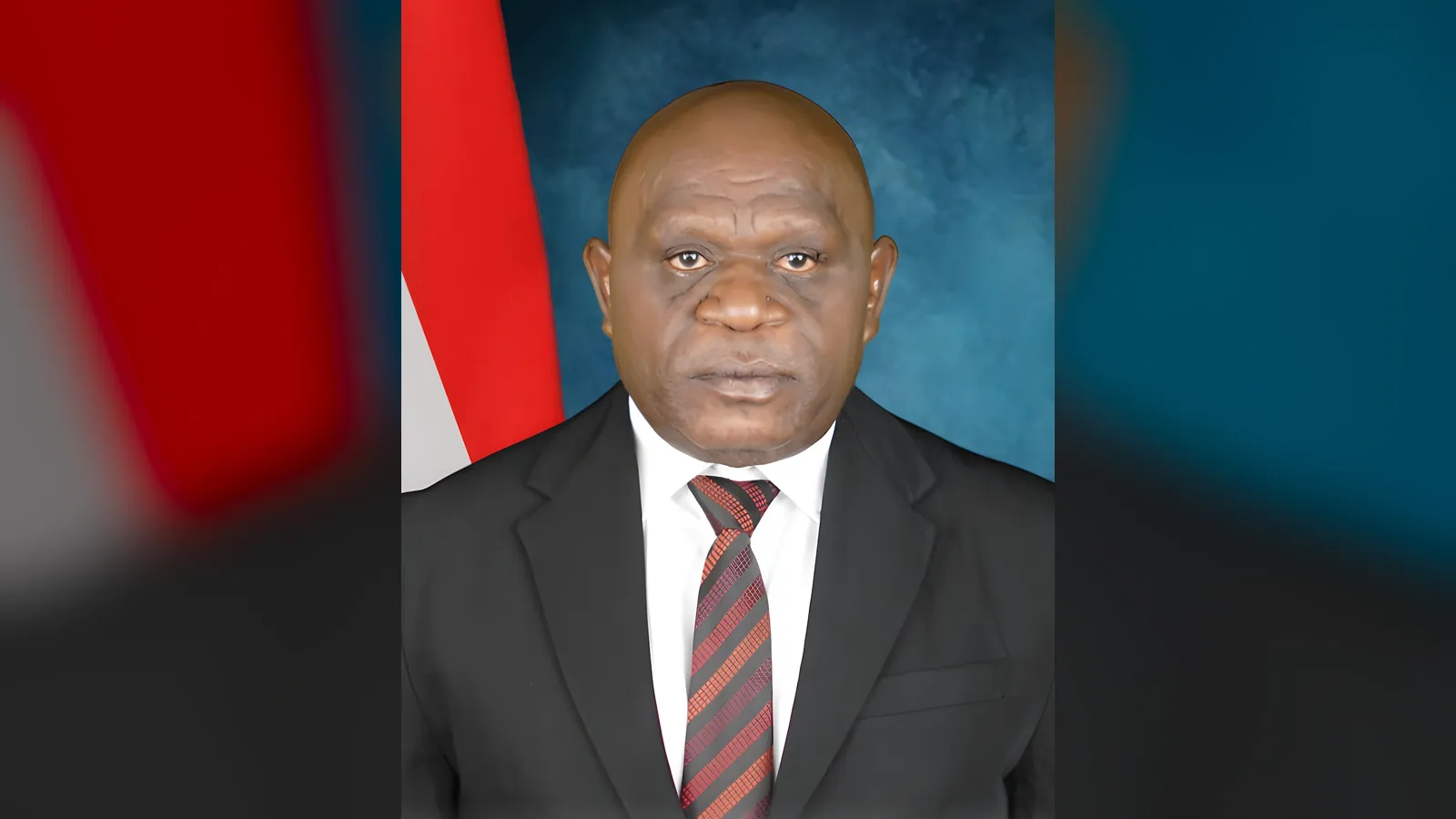
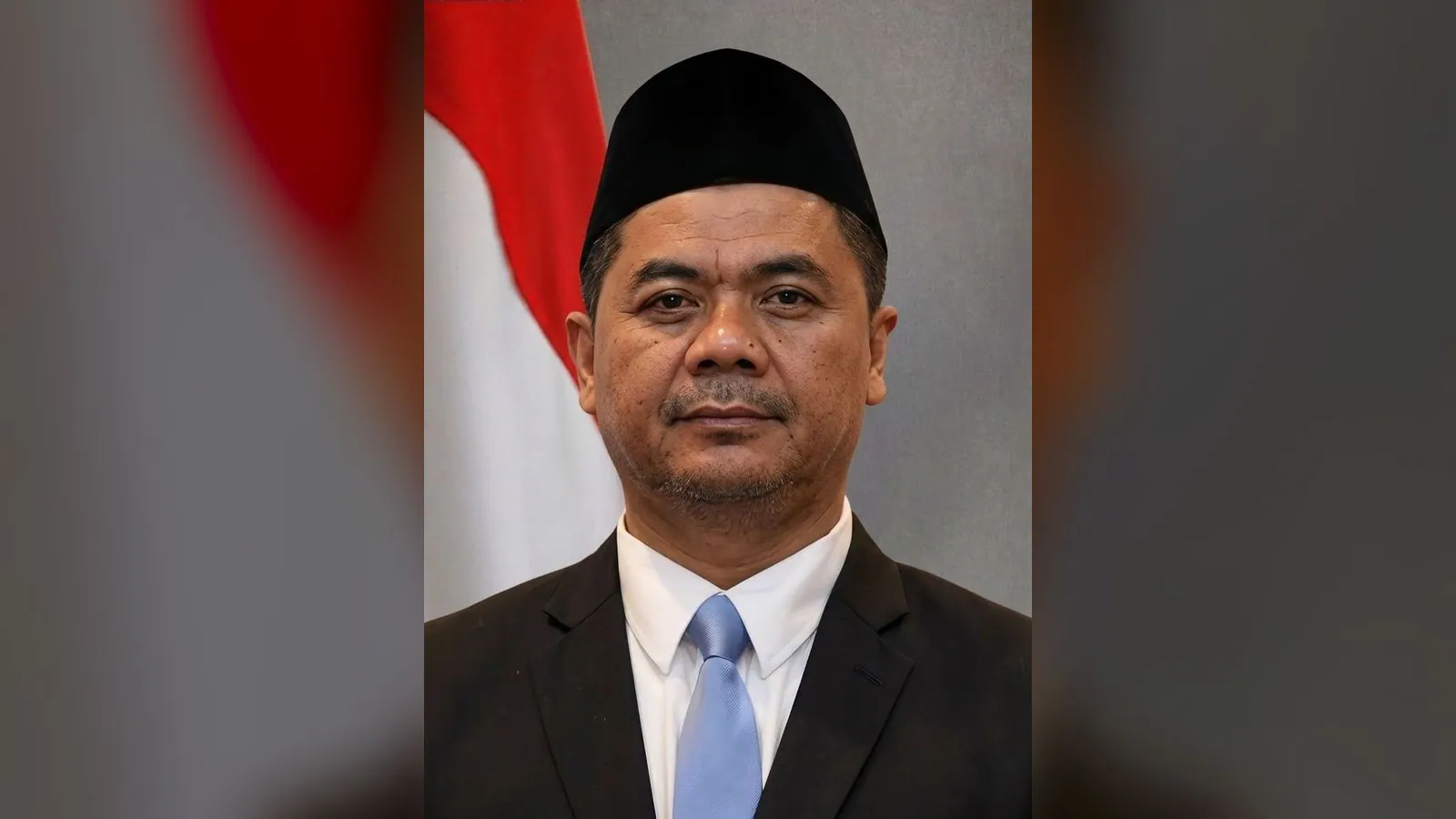
Claim: "The percentage of poor people in March 2026 fell to 8.07 percent, or about 920,000 fewer people than a year earlier," Deputy Minister of State Secretariat Juri Ardiantoro told House of Representatives (DPR) Commission XIII on 18 November 2026, according to Kompas. He also said open unemployment fell to 4.75 percent in August 2026. Harian Jogja reported that he presented the declines as a sign that social protection and economic empowerment programmes were working.
Verdict: Partly true. The numbers are accurate: they match releases from Statistics Indonesia (BPS). But the same BPS surveys show the quality of work getting worse, with more informal workers and more underemployment, and the poverty decline began before President Prabowo Subianto took office. The data do not show which programmes, if any, caused the fall. Poverty is also measured against a national line of about Rp22,300 a day, roughly half the World Bank benchmark for countries at Indonesia's income level.
What the record shows
-
The poverty figures match BPS. BPS reported on 5 August 2026 that 8.07 percent of Indonesians, or 22.93 million people, were poor in March 2026. That is 0.92 million fewer than in March 2025 and 0.43 million fewer than in September 2025. (BPS)
-
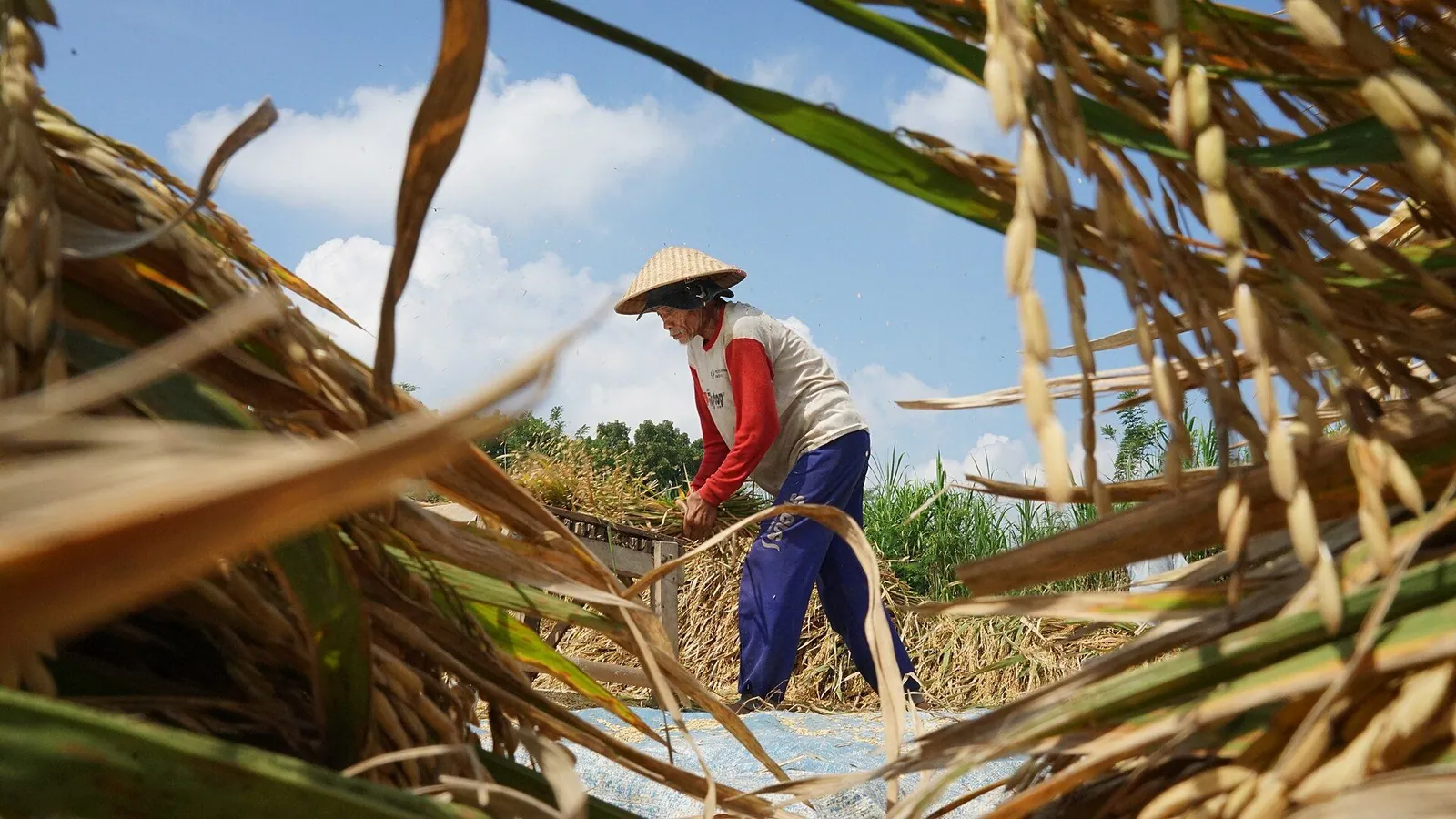
The fall is uneven. Between September 2025 and March 2026, urban poverty fell from 6.60 to 6.34 percent, while rural poverty barely moved, from 10.72 to 10.67 percent. The number of poor people in villages fell by only about 80,000, to 12.10 million. (BPS)
-
The decline began before this government. BPS's own series shows poverty at 9.03 percent in March 2024, 8.57 percent in September 2024, 8.47 percent in March 2025, 8.25 percent in September 2025 and 8.07 percent in March 2026. Prabowo took office in October 2024. (BPS)
-
The unemployment figure matches BPS. The open unemployment rate was 4.75 percent in August 2026, down 0.09 percentage points from a year earlier. About 7.38 million people were unemployed out of a labour force of 155.37 million. (Harian Jogja's report gave 4.76 percent; Kompas and BPS give 4.75 percent.) (BPS, Detik)
-
Job quality slipped. The share of informal workers rose from 57.80 to 57.93 percent, and the formal share fell from 42.20 to 42.07 percent. Underemployment, people working fewer than 35 hours a week who want more work, rose from 7.91 to 8.68 percent, or 12.84 million people. Unemployment among women rose. Labour force participation fell 0.26 points to 70.33 percent. (Detik, BPS)
-
One hour a week counts as a job. Following the International Labour Organization definition, BPS counts anyone who worked at least one hour in the reference week as employed. Labour researcher Arif Novianto told Tirto that a falling unemployment rate therefore does not mean people found decent work. (Tirto)
-
The poverty line is low. The BPS poverty line in March 2026 was Rp669,235 per person per month, about Rp22,308 a day. The World Bank estimated that 64.2 percent of Indonesians live below its upper middle income benchmark of US$8.30 a day in purchasing power terms, about Rp42,036. Hempri Suyatna of Gadjah Mada University told BBC News Indonesia that poverty data risk becoming a political tool. (BPS, BBC News Indonesia)
The government's side
Juri presented the figures alongside third quarter economic growth of 5.47 percent and said the trends reflected the government's social protection and empowerment programmes. BPS data do contain some good news for the government: the average employee wage was Rp3.42 million in August 2026, and the poverty rate is at its lowest in the BPS series cited above. BPS says its national poverty line and the World Bank's international lines serve different purposes and should not be compared directly.
Why partly true
Juri quoted the official numbers correctly, and on the narrow question of whether poverty and unemployment fell, he is right. The claim becomes weaker when the figures are offered as proof of policy success. The decline in poverty predates the current government and is concentrated in cities. Unemployment fell while informality and underemployment rose, which suggests many people moved into insecure work rather than better jobs.
What we do not know
- No published evaluation links the poverty decline to specific programmes such as free meals, food aid or cash transfers.
- BPS has not yet published poverty data for September 2026.
- How many of the newly employed lost formal jobs and moved into informal work such as ride hailing.
This fact check is based on the public documents and reporting cited above. NewsWLD will update it if new data are released.
Sources
- 1.Kompas: Istana sebut capaian pemerintahan Prabowo, angka kemiskinan turun, nasional.kompas.com
- 2.Harian Jogja: Pemerintahan Prabowo klaim kemiskinan turun 920.000 orang dalam setahun, news.harianjogja.com
- 3.BPS: Persentase penduduk miskin Maret 2026 turun menjadi 8,07 persen, bps.go.id
- 4.BPS: Tingkat Pengangguran Terbuka sebesar 4,75 persen, rata-rata upah buruh 3,42 juta rupiah, bps.go.id
- 5.Detik: BPS klaim pengangguran RI turun, tapi makin banyak yang jadi ojol cs, finance.detik.com
- 6.Tirto: Mengapa bekerja 1 jam dalam seminggu tetap dihitung pekerja, tirto.id
- 7.BBC News Indonesia: data kemiskinan BPS dan Bank Dunia, bbc.com