Key points
- Habiburokhman said on 20 November 2026 that the asset forfeiture law was drafted openly: "So how much more open could it be?"
- ICW said on 18 and 19 November that the latest draft and academic paper were not available on DPR websites, and its 16 November legal demand went unanswered.
- Law 13 of 2022 requires every academic paper and draft law to be easily accessible to the public.
- The committee made 40 substantive changes, deleted 44 items and added 18 new ones before the vote.
Verdict: Disputed. Part of Habiburokhman's account holds: the asset forfeiture bill's meetings were broadcast and dozens of groups were heard. But the core of the openness claim, that the public could read what was being decided, is contested on the record. Indonesia Corruption Watch (ICW) says the latest draft and academic paper were not available on any DPR channel up to the day the law passed, and its formal legal demand for the documents went unanswered. The law requires those documents to be easily accessible.
The claim
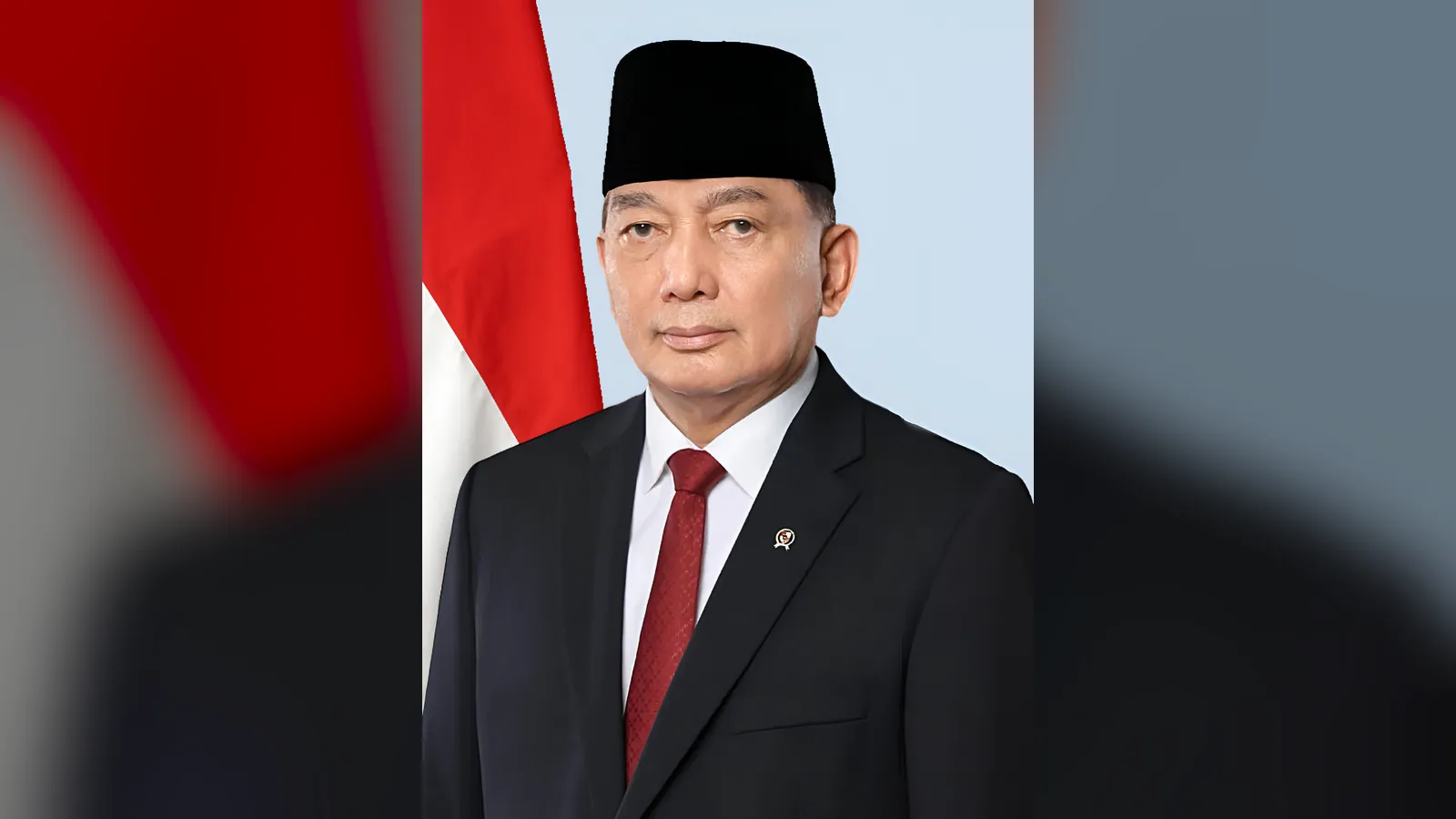
Responding on Friday, 20 November 2026, to an ethics complaint ICW filed against him and House Speaker Puan Maharani, Habiburokhman, chair of House of Representatives (DPR) Commission III and of the bill's working committee (Gerindra), said the law had been drafted openly. According to the DPR's own news service, he said the initial draft had been uploaded on the Law Ministry's official channel since the government handed over its list of problem items (DIM), and that every meeting was open to the media and broadcast on TV Parlemen and the DPR's YouTube channel.
"So how much more open could it be?" he said. He added that the committee prioritised parties who applied to speak, hearing 87 of about 90, and that ICW "never applied to be a resource person" and "did not send written input either".
What the record shows
-
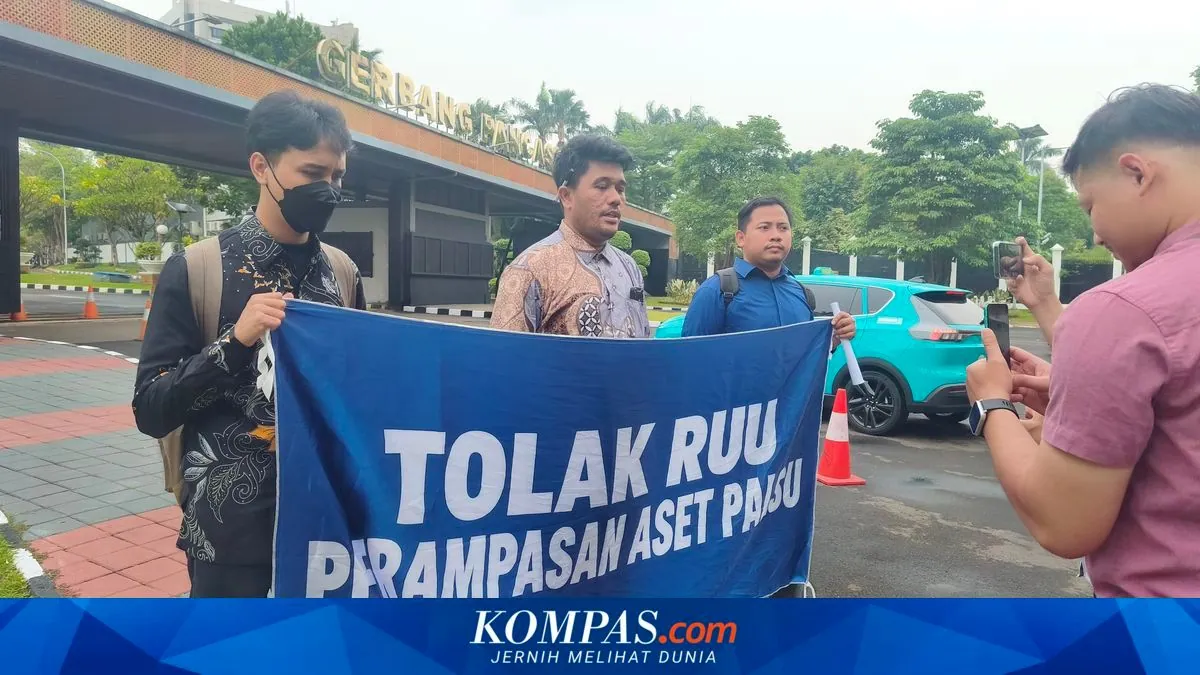
ICW says the text was not public when the law passed. On 19 November 2026, the day the DPR passed the Asset Forfeiture Law, ICW's head of legal and investigations, Ibrahim, said: "Up to today, when the law was passed, we still have not found the document available on DPR websites." He said ICW had never been invited to discuss the wording. The ethics complaint followed a legal demand (somasi) sent on 16 November. (Source: Kompas.com)
-
The documents were still unavailable the day before the vote. On 18 November Ibrahim told Media Indonesia that the public still could not access the academic paper or the latest official draft and that the somasi to Commission III had received no reply. "Even if 100 groups are invited and the DPR holds hearings every day, if the bill is never opened, it is the same," he said. (Source: Media Indonesia)
-
The final text changed substantially in committee. The same day Habiburokhman reported that the committee had gone through 397 problem items: 160 unchanged, 135 with editorial changes, 40 with substantive changes, 44 deleted and 18 new substantive items added. Changes on that scale are what the public would need the latest draft to follow. (Source: Media Indonesia)
-
The law requires drafts to be easily accessible. Article 96(4) of Law 13 of 2022 on lawmaking says that, to make it easier for the public to give input, every academic paper and/or draft law "can be accessed easily by the public". Article 96(1) gives the public the right to give input at every stage. (Source: Law 13 of 2022, BPK legal database)
-
His defence points to a different channel. Habiburokhman cited a Law Ministry channel and an initial draft, not the DPR's websites or the latest committee text that ICW says it could not find. The DPR's own report of his statement does not say when, or whether, the final text was published before the vote. (Source: DPR RI)
The DPR's side
Habiburokhman said ICW was free to complain to the ethics council and that the DPR accepts criticism. The public hearings did take place and were broadcast, and the committee says it heard 87 parties. Whether ICW applied to speak or sent written input is his account; ICW says it was never invited. BBC News Indonesia reported that ICW plans to challenge both the process and the content of the law at the Constitutional Court.
Why it matters
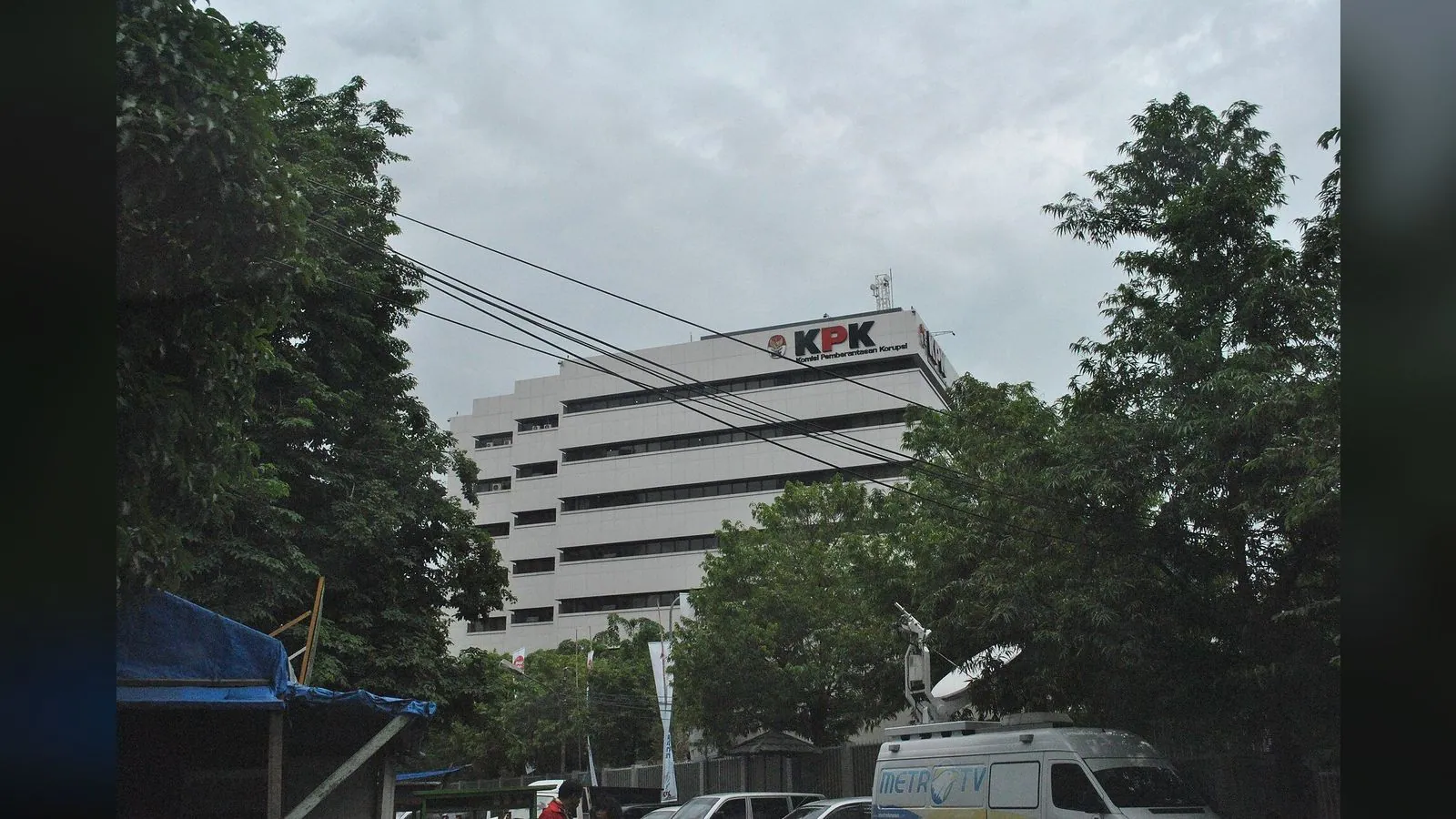
The dispute is not only about procedure. ICW and YLBHI have criticised what the final text left out or added, including the removal of the illicit enrichment provision, which ICW says the KPK had asked for, and a non-retroactivity clause that ICW says closes the door on recovering assets from past corruption. Without a public draft, those changes could not be scrutinised before the vote. Habiburokhman told BBC News Indonesia the illicit enrichment provision was dropped after hearing academics and the public and for human rights reasons.
What we don't know
We could not independently confirm whether, or when, the final committee text was posted on any Law Ministry or DPR channel before 19 November. The DPR's ethics council (MKD) has not said whether it will examine ICW's complaint. We will update this check if the DPR or the ministry shows a dated public posting of the final draft.
Sources
- 1.DPR RI e-Media: Habiburokhman: ICW Berhak Kritik, DPR Telah Buka Proses Pembahasan UU Perampasan Aset (21 Nov 2026), emedia.dpr.go.id
- 2.Kompas.com: ICW Laporkan Puan Maharani dan Habiburokhman ke MKD Terkait Pengesahan UU Perampasan Aset (19 Nov 2026), nasional.kompas.com
- 3.Media Indonesia: ICW Kritik DPR Soal Transparansi Pembahasan RUU Perampasan Aset (18 Nov 2026), mediaindonesia.com
- 4.BPK legal database: Law 13 of 2022 amending Law 12 of 2011 on lawmaking (Article 96), peraturan.bpk.go.id
- 5.BBC News Indonesia: DPR sahkan RUU Perampasan Aset jadi Undang-Undang, mengapa ICW dan YLBHI mengkritisi (19 Nov 2026), bbc.com