Key points
- BI-Rate rises 25 basis points to 6.00%, officially confirmed November 18.
- Currency stabilization may help inflation but could increase borrowing costs.
- Loan and exchange-rate effects must be measured after implementation.
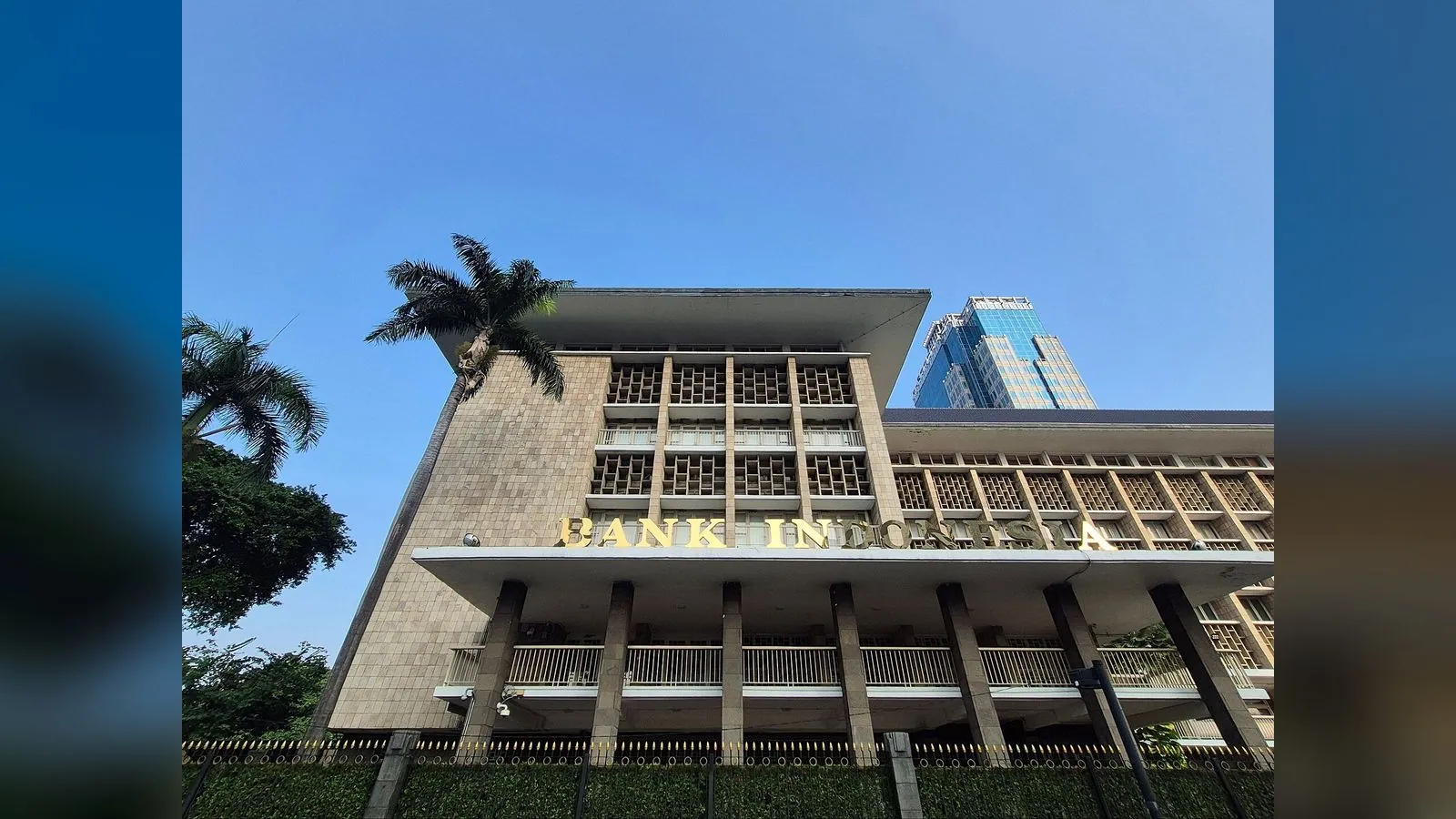
Bank Indonesia raised its benchmark interest rate by 25 basis points to 6.00% at its November 17-18 policy meeting, according to a statement published by the central bank on Wednesday, November 18. The announcement confirms a decision previously reported by Reuters and removes the principal verification gap that had kept this story in draft.
The central bank also increased its Deposit Facility rate by 25 basis points to 5.25% and its Lending Facility rate by the same amount to 6.75%. Its statement, numbered 28/254/DKom and released at 2:20 p.m. Jakarta time, described the increase as a measure to reinforce the rupiah amid heightened global uncertainty and pre-emptively keep inflation within its 2.5% target, plus or minus one percentage point, in 2026 and 2027.
What changed
At its October 20-21 meeting, Bank Indonesia had kept its benchmark rate at 5.75%, with the Deposit Facility at 5.00% and Lending Facility at 6.50%. Wednesday's decision therefore raises all three rates by one quarter of a percentage point. This is an adopted monetary-policy decision, not merely a proposal or an attributed media claim.
The stated objectives are distinct from observed results. The official announcement establishes the decision and the central bank's reasoning; it does not establish that the rupiah has sustainably strengthened or that inflation will remain within target. Such outcomes require subsequent exchange-rate, price and credit data.
The trade-off for households and businesses
Higher policy rates can make rupiah-denominated assets more attractive and may reduce imported inflation pressures by supporting the currency. That can benefit consumers and firms purchasing imported essentials or equipment. Yet tighter monetary conditions can also raise banks' funding costs and, over time, borrowing rates.
Households with floating-rate mortgages or other variable-rate loans may face higher repayments depending on their contracts and banks' repricing decisions. Fixed-rate borrowers are not automatically affected immediately. Small businesses seeking working capital, firms refinancing debt and developers financing projects may confront higher borrowing costs. Savers could receive higher deposit yields, but commercial banks determine their own deposit and lending rates.
The distribution of these effects matters. A household dependent on credit may experience the policy differently from a household with savings. Exporters, importers and businesses with foreign-currency liabilities also have different exposures to the exchange rate. It would be misleading to claim that every loan becomes 25 basis points more expensive: monetary-policy transmission is neither immediate nor mechanically one-for-one.
What to scrutinize next
The decision comes amid pressure on the rupiah reported by Reuters. The central bank has prioritized currency and inflation stability, while its broader mandate also requires attention to sustainable economic activity. The key public-policy question is whether the currency-stabilization benefits outweigh any slowdown in credit, consumption and investment.
The next evidence to watch includes the rupiah's performance over several trading sessions, inflation readings, banking lending rates, credit growth and whether financial institutions pass higher costs to borrowers. None of those effects can be conclusively measured on announcement day.
A rate increase is neither proof of policy failure nor a guarantee of success. It is a documented choice with potential benefits and costs that should be evaluated using subsequent data, rather than political claims or an isolated market movement.
Sources
- Bank Indonesia, November 18, 2026, press release No. 28/254/DKom: https://www.bi.go.id/id/publikasi/ruang-media/news-release/Pages/sp_2825426.aspx
- Bank Indonesia, October 21, 2026, press release No. 28/233/DKom: https://www.bi.go.id/id/publikasi/ruang-media/news-release/Pages/sp_2823326.aspx
- Reuters, November 18, 2026: https://www.reuters.com/world/indonesia-central-bank-hikes-rates-support-rupiah-2026-11-18/