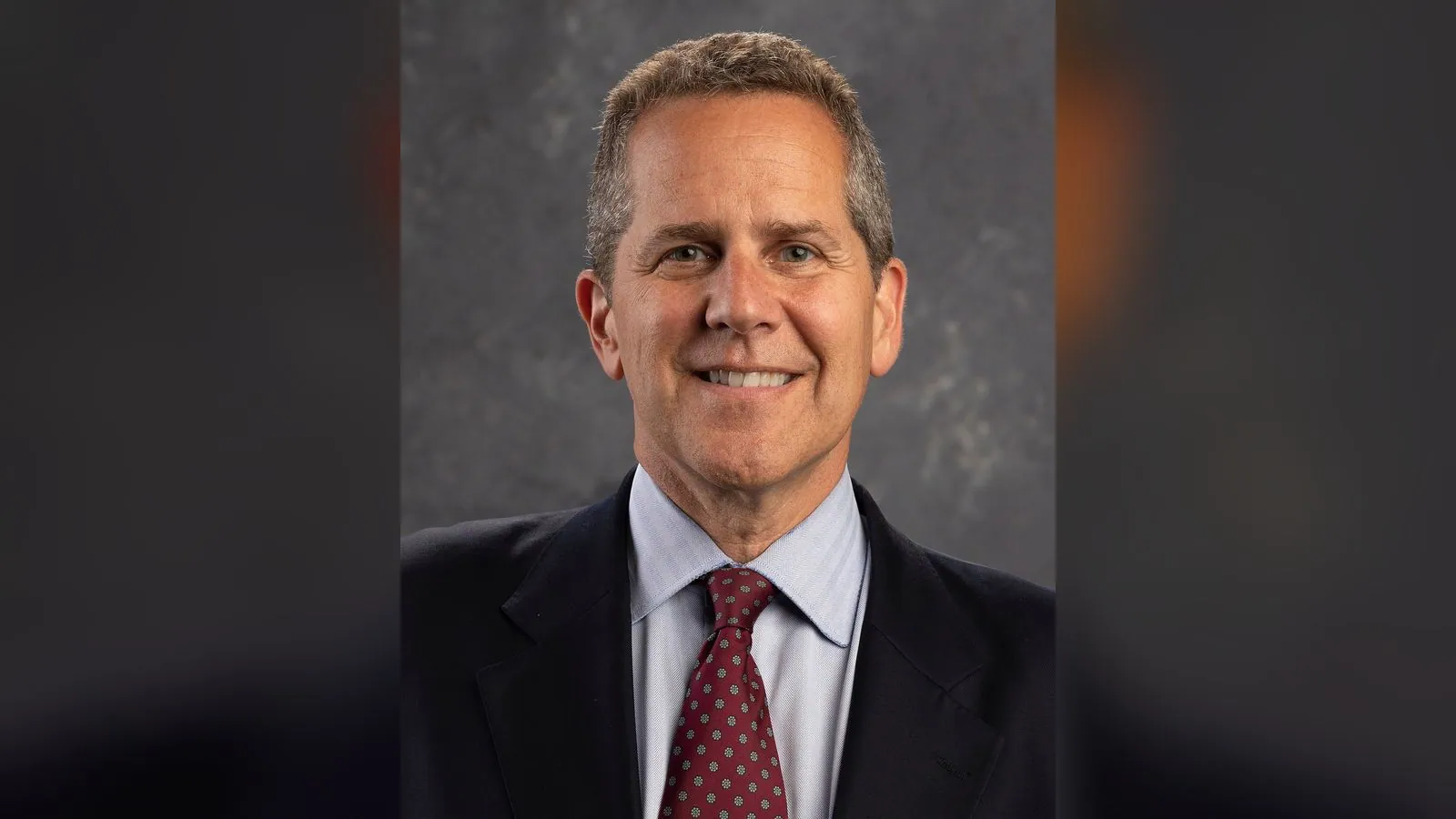
Federal Reserve Governor Michael S. Barr said on November 18, 2026, that he expects further US interest-rate increases could be appropriate if the economy follows his current forecast. His remarks, delivered at a Federal Reserve Bank of New York conference, are a conditional policy signal rather than an announcement of a new interest-rate decision.
What Barr said
In prepared remarks published by the Federal Reserve, Barr described the economy as strong, citing low unemployment, solid consumer spending and robust business investment. But he said inflation remains too high, creating difficulties for households trying to cover everyday expenses. The central bank's inflation objective remains 2%.
He said additional increases would be appropriate if conditions evolve as he expects, while emphasizing that he will continue reviewing incoming data, his changing forecast and competing risks. This is not an unconditional promise to vote for higher rates at the next meeting. His assessment may change if economic conditions change.
December decision still pending
Reuters reported on November 18 that the Federal Open Market Committee is scheduled to meet on December 8 and 9. At the time of the report, a quarter-percentage-point increase in the target range, to 4%, 4.25%, was widely expected. That is a market or analyst expectation reported by Reuters, not a decision already approved by policymakers.
The distinction matters because individual Fed officials can hold different views. The committee decides monetary policy collectively, weighing inflation, employment and financial conditions. A public speech can signal the direction of debate, but it does not by itself change the federal funds target range or borrowing costs overnight.
A strong economy with uneven gains
Barr's address was primarily about investing in underserved communities. He argued that strong national economic indicators do not mean every household or neighborhood is prospering. Wealthier households have fared better, while many middle- and lower-income families still struggle, according to his prepared remarks.
He discussed barriers to investment in housing, businesses and infrastructure and the role of partnerships in building more resilient local economies. That context is important: the rate outlook occupied only part of a broader speech on economic opportunity and the uneven distribution of growth.
Why global markets care
Higher US rates can make dollar-denominated financing more expensive and influence currency markets, bond yields and international capital flows. However, the effect of any particular speech depends on what investors had already anticipated, and a future rate move is not guaranteed by Barr's comments.
For Indonesia and other emerging economies, US monetary policy is relevant because global funding conditions can affect exchange rates and borrowing costs. But domestic inflation, economic growth and central-bank decisions also shape local outcomes. It would be premature to attribute any particular movement in the rupiah to this statement alone without market evidence.
What comes next
Investors and policymakers will watch forthcoming inflation and employment figures, statements from other Fed officials, and the committee's December meeting. The key unanswered question is whether price pressures remain sufficiently persistent to justify another increase without unnecessarily weakening employment and investment.
The confirmed news is Barr's conditional assessment, made on November 18. Neither his remarks nor Reuters' account establishes that the Federal Reserve has already voted to increase rates in December.