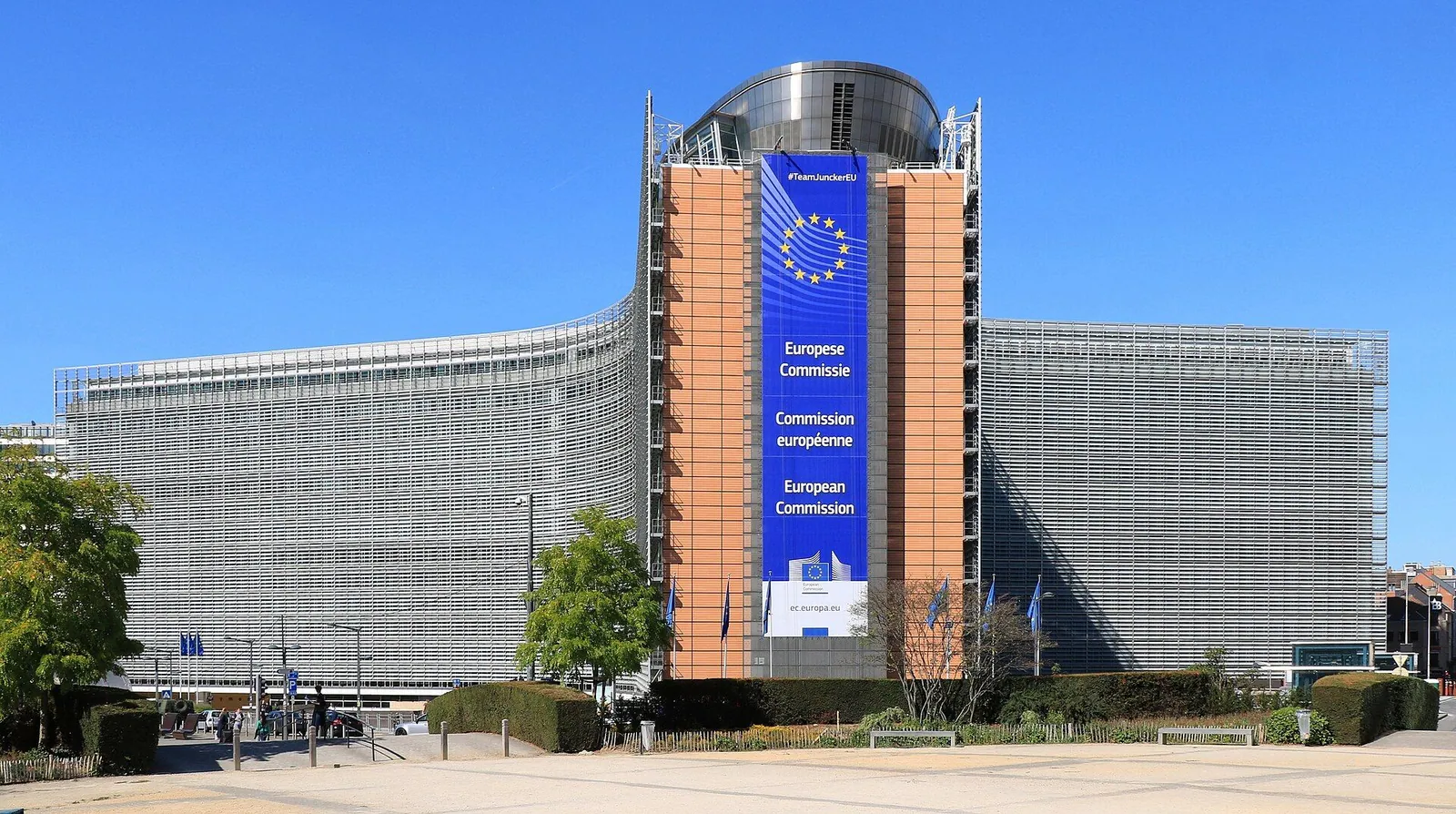
The European Union and Indonesia signed a Comprehensive Economic Partnership Agreement (CEPA) and a separate Investment Protection Agreement in Brussels on Saturday, 21 November, moving a decade-long negotiation toward implementation. The signature is a milestone, not the same as the agreements taking effect: parliamentary consent and domestic procedures remain necessary.
The European Commission confirmed the signature, while Reuters reported that the parties expect implementation in early 2027, subject to approvals. Indonesian Coordinating Minister for Economic Affairs Airlangga Hartarto said at the signing that Jakarta was targeting provisional application in January 2027.
What the tariff deal changes
According to the EU Council, the CEPA will ultimately liberalise up to 98.5% of tariff lines, with 96% of Indonesian tariffs disappearing within five years. European officials estimate annual customs-duty savings of about €600 million once the agreement is implemented. That is a forecast of potential savings, not money already realised.
Airlangga offered a different, Indonesia-focused breakdown: 90.4% of tariff lines would have zero tariffs from the first day of application, with a further 8.37% phased out over three to 15 years or covered by tariff-rate quotas. He highlighted garments, footwear, palm oil and derivatives among potential Indonesian beneficiaries. These figures describe different schedules and perspectives and should not be treated as competing counts of current duty-free trade.
The deal also addresses services, procurement, intellectual property, digital commerce, energy and raw materials. The EU says rice, sugar and ethanol are excluded from tariff liberalisation, while other sensitive products receive limited quotas. Environmental and labour commitments, including the Paris climate accord, form part of the framework.
Why timing matters
Indonesia is due to leave the EU's Generalised Scheme of Preferences on 1 January 2027. The Council says provisional application of the new agreements can begin only after both sides notify each other that required internal procedures have been completed. The European Parliament must consent before formal conclusion. The precise date of operational tariff benefits is therefore not yet guaranteed.
EU data put bilateral goods trade at €28.9 billion in 2025, including €18.7 billion in EU imports from Indonesia and €10.2 billion in exports to Indonesia. Services trade totalled €9.3 billion in 2024. These figures show the scale of existing commerce but do not predict how much trade will increase.
Investment and unresolved questions
The separate investment agreement aims to provide protections against unlawful expropriation and discrimination while explicitly preserving the parties' right to regulate for public health, climate and environmental goals. The Council says it establishes a programme for further talks on a future investor-state dispute settlement mechanism, rather than presenting that future system as already agreed.
For exporters, the practical questions are which products meet origin requirements, when tariff schedules start, and how firms comply with environmental and technical standards. For policymakers, the test will be whether projected trade and investment gains translate into jobs and domestic value added. Signing alone does not establish those outcomes.
Sources: European Commission agreement page and trade statistics; EU Council statement of 18 November; European Commission audiovisual record of Airlangga Hartarto's 21 November remarks; Reuters report of 21 November.
Sources
- 1.European Commission: EU-Indonesia agreements, policy.trade.ec.europa.eu
- 2.EU Council: greenlight for signature, 18 November, consilium.europa.eu
- 3.European Commission: Airlangga remarks, 21 November, audiovisual.ec.europa.eu
- 4.Reuters: EU and Indonesia sign trade deal, 21 November, reuters.com
- 5.EU trade relations with Indonesia, policy.trade.ec.europa.eu