Key points
- The White House said on 13 November that Trump, Xi and Putin will meet in Shenzhen on 19 November during APEC; Beijing and Moscow have not publicly confirmed the session.
- New START expired on 5 February 2026, ending caps on US and Russian deployed strategic warheads for the first time in more than 50 years, according to Al Jazeera.
- Russia and the US each hold more than 5,000 warheads, against about 620 for China, and the Pentagon expects China to exceed 1,000 operational warheads by 2030.
- US officials say no agreement is expected and Trump is not expected to raise Ukraine, a statement of US intent that Kyiv and analysts expect to be tested.
- Treaty verification lapsed with New START, so any trilateral limit would need an inspection system built from scratch with a state that has never accepted one.
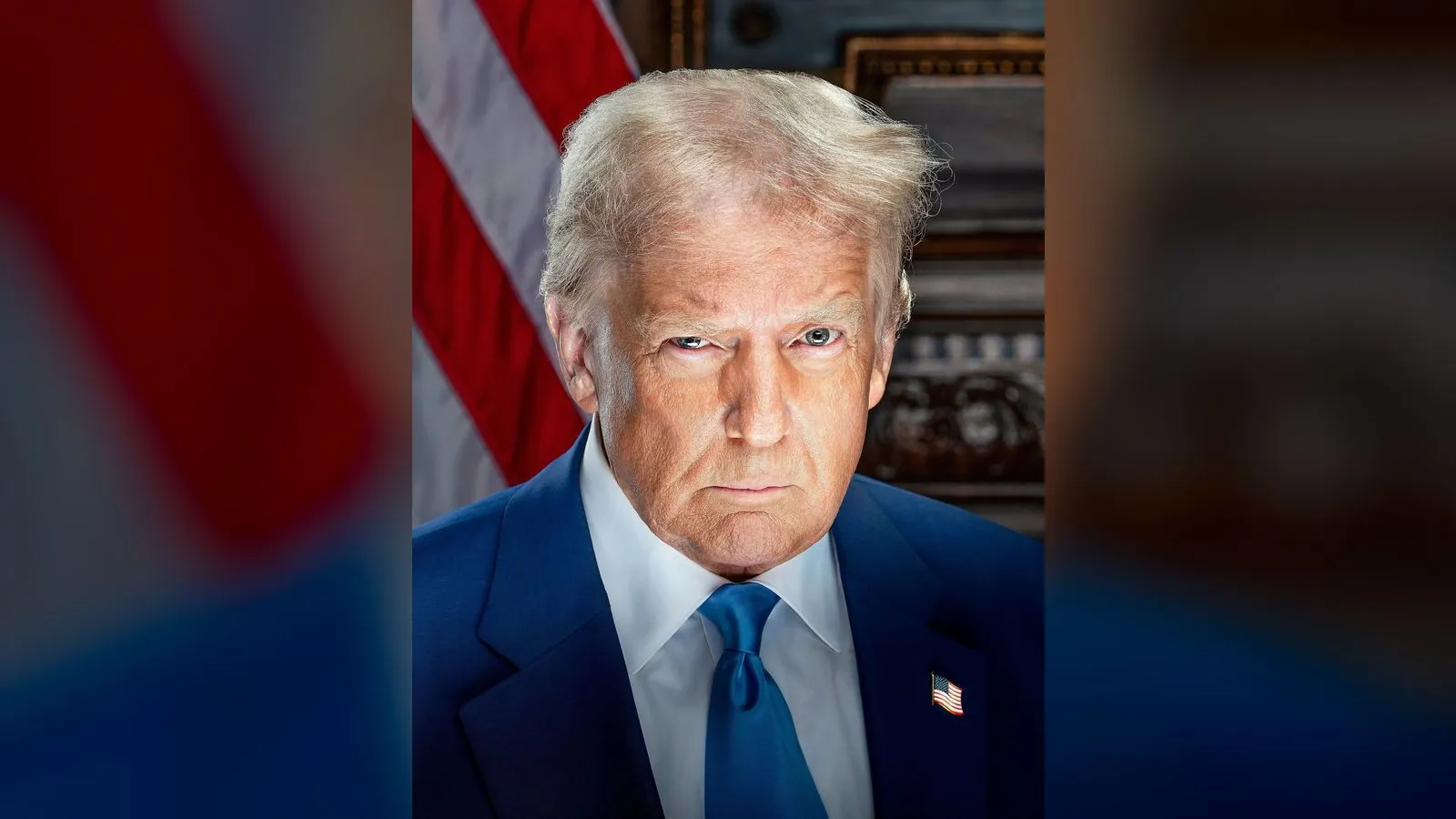
The White House said on 13 November that President Donald Trump will meet Xi Jinping and Vladimir Putin in Shenzhen on 19 November, on the sidelines of the Asia-Pacific Economic Cooperation (APEC) leaders' meeting, and that he will press for cuts in the world's nuclear arsenals.
The announcement, made by assistant press secretary Olivia Wales on a call with reporters, is so far the only public confirmation of the schedule. Neither Beijing nor Moscow had confirmed the trilateral session as of 14 November, and the Chinese and Russian embassies in Washington did not immediately respond to emailed requests for comment from Reuters, The Hindu reported. The nearest thing to a Russian acknowledgement is a comment from Kremlin spokesman Dmitry Peskov, who called the meeting "extremely significant" while rejecting comparisons with the 1945 Yalta conference and saying any agreement reached in Shenzhen could not be imposed on others, according to Al Jazeera.
The timing is what makes the meeting worth watching. New START, the last treaty capping US and Russian deployed strategic warheads, expired on 5 February 2026. Al Jazeera notes that this left the two countries with the largest arsenals without caps for the first time in more than 50 years.
The rest of this article separates what officials have said on the record, what remains disputed, and what is analysis.
What Washington has said it wants
Wales said Trump "will discuss the reduction of nuclear weapons in the world", a subject he considers very dangerous. A senior official, briefing reporters anonymously, said the US does not expect a deal. "I would characterize this as the entry point, the first conversation," the official said, according to Anadolu Agency.
Iran is on the declared agenda. Officials said Trump intends to raise the US-Israeli war against Iran, and that he is not expected to raise Russia's war in Ukraine. He is not expected to hold a separate one-on-one with Putin, or to meet North Korea's Kim Jong Un, and Elon Musk will travel with him but stay out of the meetings.
The schedule is tight. Trump leaves Washington on 16 November and attends a US-ASEAN summit and a Quad leaders' meeting in Manila on 17 November, according to Anadolu. APEC runs in Shenzhen on 18 and 19 November. The bilateral meeting and working lunch with Xi is set for the afternoon of 19 November, with the trilateral session after it. It would be Trump's fourth meeting with Xi since January 2025; Kompas notes he has met Putin seven times, while Putin and Xi have met more than 40 times since 2013.
Officials also said semiconductor export controls would not be on the table. "We do not negotiate American export controls," one said, adding that the controversy around Nvidia "should not really have any bearing on the trip", CBS News reported.
Ukraine is a US omission, not an agreed exclusion
The White House position on Ukraine is a statement of US intent, not a settled three-way agenda. Officials said Trump is not expected to raise the war because Washington runs a separate negotiating track with Kyiv and Moscow, and "China is not really a part of that track", so it "doesn't seem appropriate to have the Ukraine discussion" in Shenzhen.
Others are signalling that they will not treat Ukraine as closed. President Volodymyr Zelensky has said the meeting could become a redistribution of spheres of influence resembling Yalta. Edgard Kagan, a former US ambassador now at the Center for Strategic and International Studies, told Kompas that the key for Putin is to talk with Trump and Xi in a way that shows they are making decisions about Ukraine, something he said Ukraine and Europe clearly dislike. Peskov's remark that agreements cannot be imposed on others points the same way.
Put plainly: if Ukraine comes up in Shenzhen, it will not be because Washington put it on the agenda.
The arithmetic that blocks a simple cap
New START limited each side to 1,550 deployed strategic warheads, 700 deployed missiles and bombers, and 800 deployed and non-deployed launchers, and allowed 18 on-site inspections a year, according to treaty records. It entered into force on 5 February 2011 and expired on 5 February 2026. Russia suspended participation on 21 February 2023 but said it would continue to observe the numerical limits.
Trump rejected Russia's proposal to extend the treaty by a year and demanded a "new, improved and modernised" deal that includes China, Al Jazeera reported. That demand runs into a size problem. SIPRI figures cited in reporting by AP put Russia and the United States above 5,000 warheads each, with China third at about 600. An open-source estimate puts China at about 620 warheads in 2026. The Pentagon's China Military Power Report, released on 23 December 2025, put China's operational warheads in the "low 600s" through 2024 and judged that it was on track to field more than 1,000 by 2030.
On either count, Russia and the US hold more than eight times China's estimated total. China is also thought to keep a much larger share of its warheads in storage rather than mounted on delivery systems, which makes its deployed force smaller again.
A ceiling of 1,550, the old New START level, would sit above China's entire stockpile, so Beijing could sign it and keep growing. A ceiling low enough to bind China would freeze it at a fraction of the other two, which is the outcome its diplomats call unfair. Equal percentage cuts would preserve the gap rather than narrow it. None of these is a formula all three governments have said they could accept.
Beijing's stated position is that Russia and the US should talk directly because of their far larger arsenals, Reuters reported, and China has rebuffed attempts to discuss nuclear arms with both. The senior US official's answer was that China's arsenal is "growing by far the fastest in the world" and that it is time for Beijing to "step up to the adult table". Those are not yet negotiating positions. They are statements of what each side says it will not accept.
Inspections would have to start from zero
The treaty carried a verification system with data exchanges, notifications and 18 inspections a year. That system went with the treaty, and Russian cooperation had already stopped with the 2023 suspension. Neither side can now check the other's numbers, and neither has an agreed venue for raising a suspicion of cheating.
A trilateral limit would need a monitoring regime that includes a state which has never accepted intrusive inspection, and which for years has resisted direct nuclear talks with Washington. Washington and Moscow needed decades of bilateral practice to make inspections routine. Adding a third party with different basing arrangements and stricter secrecy is a project measured in years, not a communique.
What each capital gets from turning up
For Beijing, the meeting is a stage. China is hosting an APEC summit built around trade and economics, and Reuters reports that Trump's insistence on nuclear cuts has riled Beijing, which has rebuffed such talks. Hoo Tiang Boon, a professor of China foreign policy at Nanyang Technological University, told Kompas the trilateral could weaken China's effort to present itself as a defender of free trade at APEC.
For Moscow, it is status. Kagan's reading is that Putin wants to be seen making decisions about Ukraine alongside the other two. Peskov's rejection of the Yalta parallel is itself a claim about how the meeting should be understood: significant, but not a settlement imposed on anyone.
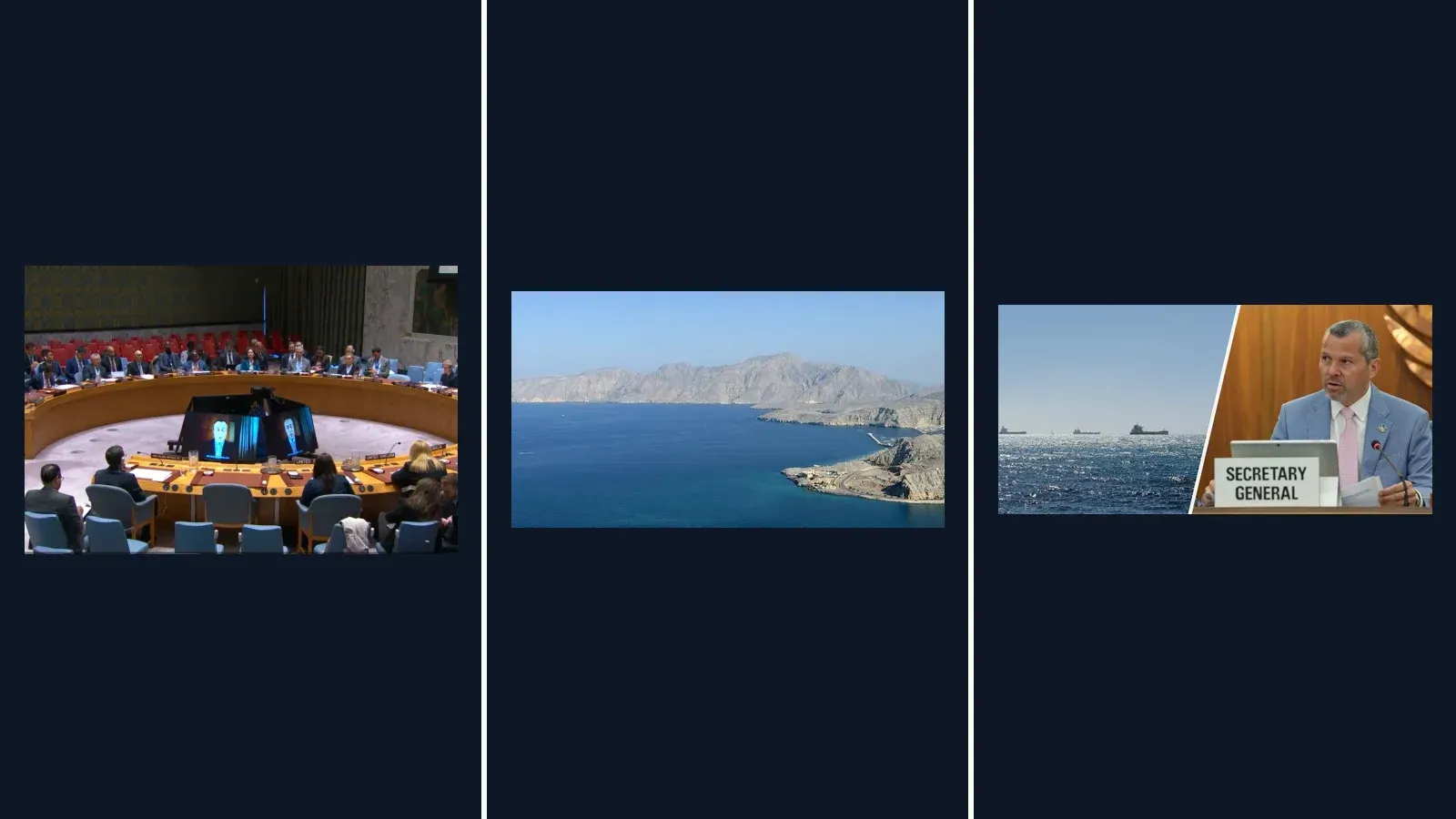
For Washington, the Iran file is the live one. CBS News reported that Iran said three oil tankers hit mines in the Strait of Hormuz, and that Trump has said "we don't need a deal with Iran". Oil traders will watch whether enforcement against Iranian exports is raised with Xi. Chip investors will watch whether export controls come up despite the official denials. Neither is on the declared agenda.
What to watch after 19 November
Confirmation first. Until Beijing and Moscow say the meeting is on, the date rests on Washington's account.
Then the output. The lowest bar is a decision to keep talking at a technical level. Any joint statement, even one limited to risk reduction, would be more than officials have promised.
Then Ukraine. Watch whether Putin or Xi raises it, and how the White House describes it afterwards.
Then the bilateral lunch. Watch whether chip export controls surface anyway, and whether any language on Iran enforcement emerges.
Why it matters
For the first time in more than 50 years the two largest nuclear arsenals are without agreed caps, and the inspections and data exchanges that made the limits checkable stopped with the treaty. A third power is expanding its stockpile, which the Pentagon expects to pass 1,000 operational warheads by 2030. A summit that ends with only an agreement to keep talking leaves defence planners, allied governments and markets to work without guardrails.
What we know
- The White House said on 13 November that Trump, Xi and Putin will meet in Shenzhen on 19 November on the sidelines of APEC, according to CBS News, Anadolu Agency and Reuters via The Hindu.
- Assistant press secretary Olivia Wales said Trump will discuss reducing nuclear weapons in the world, and a senior official said Washington does not expect an agreement.
- Trump is due to hold a bilateral meeting and working lunch with Xi on the afternoon of 19 November before the trilateral session, per Anadolu Agency.
- Officials said Trump intends to raise the US-Israeli war against Iran, and is not expected to raise Ukraine because Washington runs a separate track with Kyiv and Moscow.
- New START expired on 5 February 2026 after Trump rejected a one-year extension and sought a new deal including China, according to Al Jazeera and treaty records.
- Russia has more than 5,000 warheads and the US more than 5,000, against about 620 for China; the Pentagon's December 2025 report put China in the low 600s through 2024, heading above 1,000 by 2030.
What we don't know yet
- Whether Beijing and Moscow have formally agreed to the trilateral session and to a nuclear arms agenda; neither embassy responded to requests for comment.
- Whether Xi or Putin will engage with any specific US proposal on warhead limits.
- Whether the leaders will issue a joint statement or commission working-level technical talks.
- Whether Ukraine comes up despite Washington's stated intention to keep it off the agenda, and how Moscow or Beijing frames it if it does.
- Whether China would accept any transparency or notification measure outside formal arsenal caps.
- Whether chip export controls are raised in the Trump-Xi bilateral, despite US officials saying they will not be discussed.
Market and economic impact
- US-Russia nuclear arms controlDownward pressure
- No treaty caps or inspection regime have been in force since 5 February 2026, and Russian participation was already suspended from 2023, so neither side can verify the other's numbers.
- China's nuclear arsenalUpward pressure
- The Pentagon judged in December 2025 that China was on track to field more than 1,000 operational warheads by 2030, up from the low 600s in 2024.
- OilUnclear
- The US-Israeli war with Iran is on the declared agenda, and CBS News reported Iran said three tankers hit mines in the Strait of Hormuz. Traders will watch whether enforcement against Iranian exports is raised with Xi.
- Semiconductor export controlsUnclear
- US officials said export controls are not negotiable and are not expected to figure in the talks, leaving current policy on advanced chips unchanged on their guidance.
- Ukraine diplomacyUnclear
- Washington says Ukraine is handled on a separate track that excludes China, while Kyiv and analysts expect the subject to surface in Shenzhen anyway.