Key points
- Unofficial CEC counts give the DPP 10 of 22 mayor and magistrate posts, up from five in 2022; the KMT won 11, down from 14.
- The DPP flipped Taichung, but the KMT held Taipei, New Taipei and Taoyuan; Yunlin and Hualien are within recount range.
- Referendum No. 22 to abolish the 'nuclear-free homeland' policy passed with 7,434,677 yes votes to 4,557,768 no.
- The Cabinet said it respects the result but keeps its conditions for nuclear power; any Maanshan restart still needs regulator approval, 2028 at the earliest.
- China's Taiwan Affairs Office said no change in Taiwan's politics can stop 'reunification'.
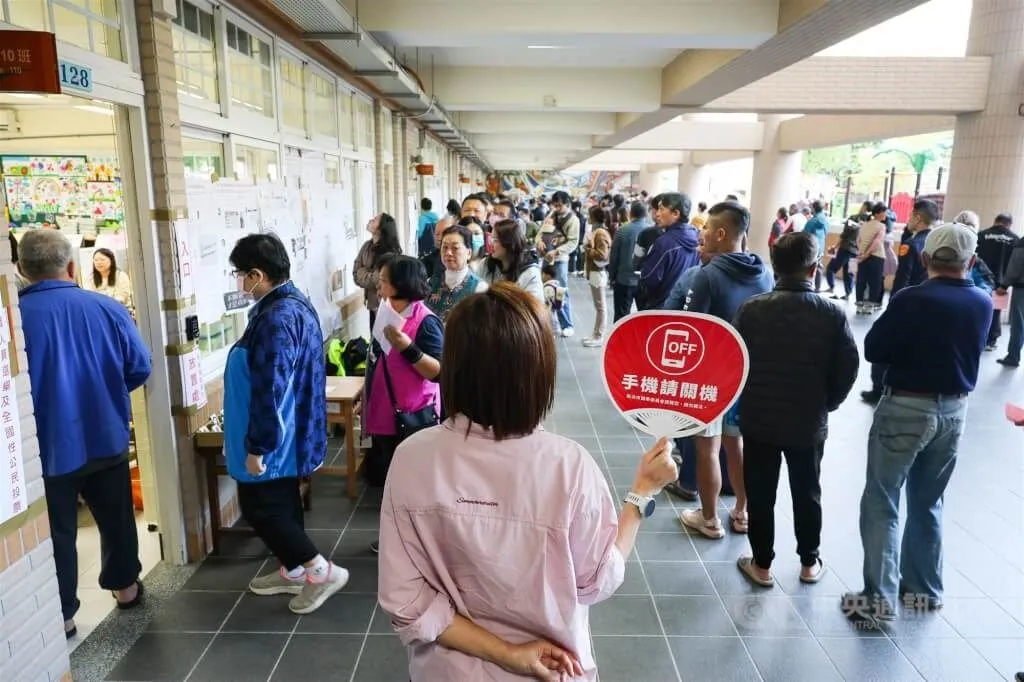
Taiwan's ruling Democratic Progressive Party (DPP) doubled the number of cities and counties it runs in local elections on Saturday, 28 November, while voters in a referendum held the same day backed scrapping the government's "nuclear-free homeland" policy, a measure proposed by the opposition. The two results leave President Lai Ching-te's party stronger at the local level but facing public pressure on an energy policy it has defended for years.
Under unofficial counts reported by Taiwan's Central Election Commission (CEC) and compiled by Focus Taiwan and Radio Taiwan International, the DPP won 10 of the 22 mayor and county magistrate races, up from five in 2022. The main opposition Kuomintang (KMT) won 11, down from 14, and independent Kao Hung-an kept Hsinchu City. The CEC is due to formally announce the winners on 4 December, and two races are close enough for recounts.
Taichung flips, Taipei stays with the KMT
The biggest change came in Taichung, the only one of Taiwan's six special municipalities to change hands. DPP lawmaker Ho Hsin-chun took 50.7 percent of the vote against 48.4 percent for KMT deputy legislative speaker Johnny Chiang, ending eight years of KMT rule in the city, according to Radio Taiwan International's results page and Taiwan News.
The DPP also took Hsinchu County, Yilan, Changhua, Chiayi City and Yunlin from the KMT, Focus Taiwan reported. In Hsinchu County, it was the party's first win since 1997, according to Focus Taiwan. The KMT took Penghu from the DPP and won Kinmen, which had been governed by an independent who later joined the Taiwan People's Party (TPP), according to Taiwan News. The TPP won no top local posts.
The KMT held the north. In Taipei, Mayor Chiang Wan-an won a second term with 53.7 percent against 45.7 percent for DPP lawmaker Puma Shen, a China sanctioned academic who co-founded the civil defence group Kuma Academy, on a turnout of 72.1 percent, according to Radio Taiwan International and The Guardian. In New Taipei, the KMT's Lee Shu-chuan beat the DPP's Su Chiao-hui by 51.2 percent to 48.3 percent, and in Taoyuan KMT incumbent Chang San-cheng was re-elected with 55.7 percent.
Two races within recount range
In Yunlin, the DPP's Liu Chien-kuo finished 173 votes ahead of the KMT's Chang Chia-chun, 178,357 votes (49.21 percent) to 178,184 (49.16 percent), Focus Taiwan reported, citing CEC data. In Hualien, the CEC put the KMT's Yu Shu-chen at 63,013 votes and independent council speaker Chang Chun at 62,656, a gap of 357, according to Taiwan News. Chang said he would seek a recount, citing more than 2,500 invalid ballots, Focus Taiwan and Taiwan News reported. Both races fall within the 0.3 percent margin that allows a recount request.
Voters back the return of nuclear power
In National Referendum No. 22, which asked whether voters supported "the government using nuclear power to boost the economy and thereby abolishing the 'nuclear-free homeland' energy policy," 7,434,677 people voted yes and 4,557,768 voted no, the Taipei Times reported, citing CEC results. The yes side took 61.99 percent of valid votes and cleared the legal threshold of 5,000,959 votes, a quarter of the 20,003,835 eligible voters. Turnout was 62.79 percent. Taiwan shut its last operating reactor in May 2025.
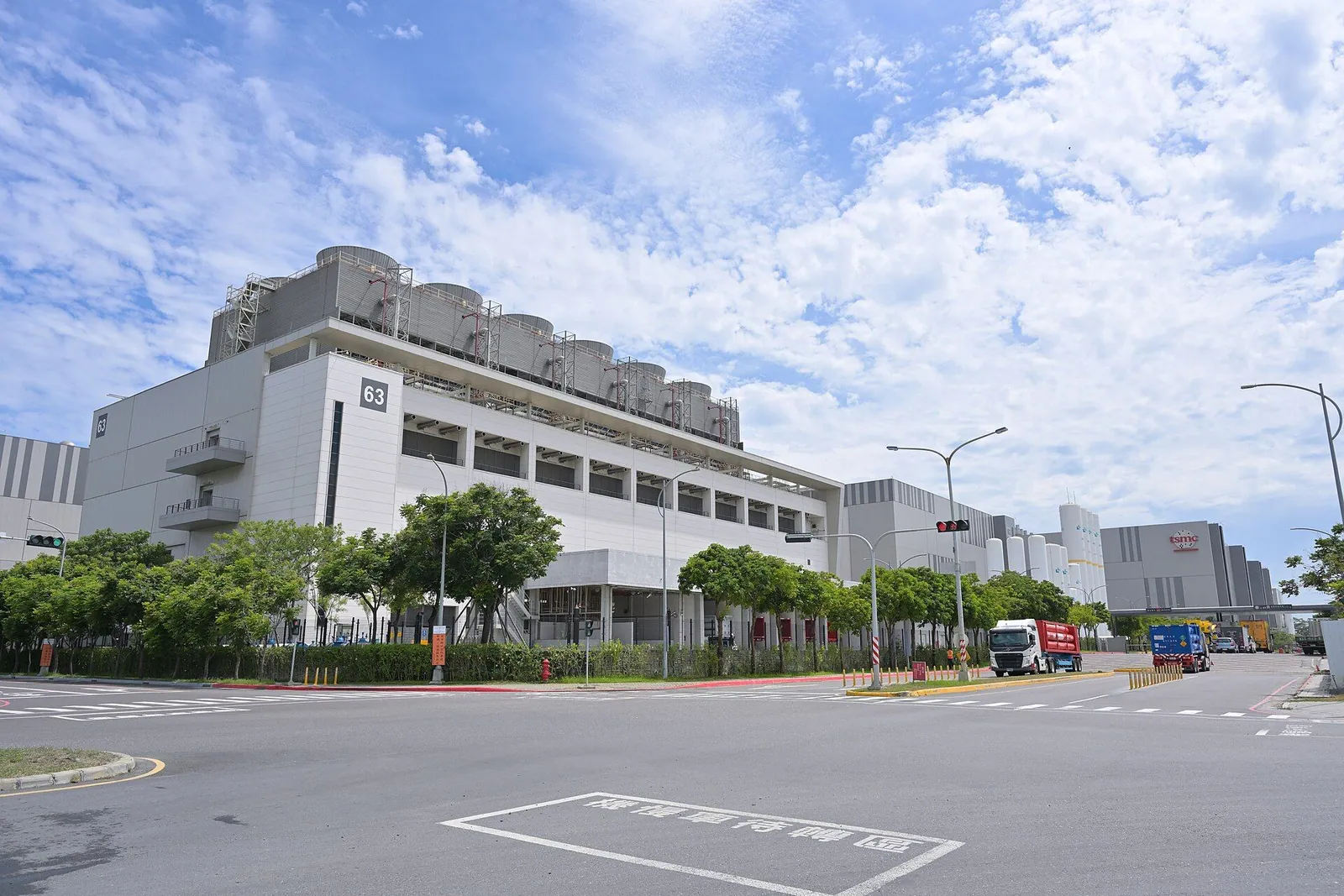
The question was put forward by the KMT's legislative caucus. KMT chairwoman Cheng Li-wun said Taiwan "must immediately, in the shortest possible time, fully restart nuclear power," according to public broadcaster PTS. Supporters argued that nuclear power is low carbon and would supply stable electricity for the artificial intelligence and semiconductor industries, the Taipei Times reported.
Opponents questioned the wording. The National Nuclear Abolition Action Platform said the phrase about reviving the economy was subjective and called the question "more of a push poll," adding that the result was not "a blank check" and did not mean nuclear safety and waste disposal had been solved, according to the Taipei Times. Huang Ching-ting, deputy executive director of Citizen of the Earth, told PTS that the link between nuclear power and the economy was never made clear and that the legal effect of the vote was uncertain. Environmental groups said laws on nuclear damage compensation and the siting of high-level nuclear waste still had gaps that must be closed before any restart, PTS reported.
The Cabinet said it respected the result. Executive Yuan spokesperson Michelle Lee said the government would keep speeding up renewable energy and that its position was unchanged: nuclear power only with assured safety, a solution for nuclear waste and social consensus, the Taipei Times reported. The government did not say whether or when it would seek to restart any reactor.
The vote does not by itself reopen a plant. Taiwan's Nuclear Safety Commission approved Taipower's restart plan for the Maanshan plant in Pingtung in September, but Taipower must still complete ageing, radiation and seismic assessments and pass further review and on-site checks, World Nuclear News and the Taipei Times reported. Economy Minister Kung Ming-hsin has named 2028 as the earliest possible restart, while the commission has given no date. The Taipei Times noted in October that a referendum result does not bind the regulator, and that environmental groups dispute the environment ministry's view that a restart needs no environmental impact assessment.
Beijing says the vote changes nothing
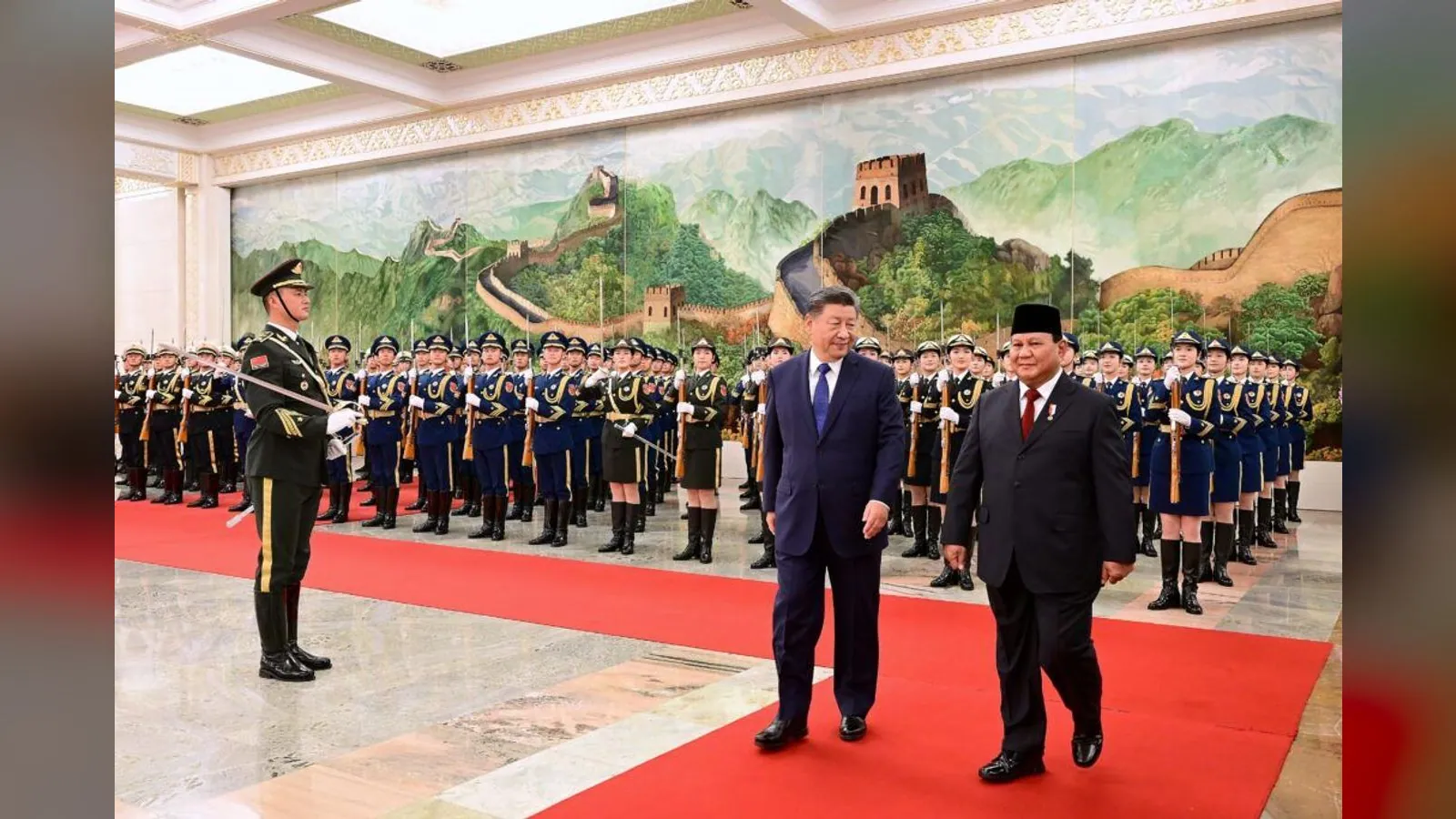
China's Taiwan Affairs Office spokesperson Zhang Han said on Sunday that Beijing had "noted" the results and that "no matter how" Taiwan's political landscape changes, it cannot stop "the historical trend that the motherland must and will inevitably be reunified," according to the office's statement and Reuters. The office said it would "firmly crack down on Taiwan independence separatist forces."
Taiwan's Mainland Affairs Council replied that Beijing should respect Taiwan's democratic system and the choices of its people, and talk with its elected government on the basis of "no preconditions and equal dignity," Reuters reported. Beijing refuses to talk to Lai, whom it calls a separatist.
Beijing kept up military pressure before the vote. Taiwan's defence ministry said 33 Chinese warplanes and eight warships operated around the island on Friday, The Guardian reported. Taiwanese officials had raised concerns about thousands of incidents of suspected misinformation or election interference before polling day, the newspaper said; NewsWLD has not independently verified those figures.
William Yang, a senior analyst at the International Crisis Group, told The Guardian that "China will be breathing a sigh of relief" at the KMT's wins in Taipei and New Taipei. According to Reuters, the campaign itself was fought mainly on domestic issues such as water safety and school meals rather than relations with China.
What comes next
KMT chairwoman Cheng, who met Chinese President Xi Jinping in Beijing in April, said the party would review the results and immediately begin preparing for the 2028 presidential election, Reuters and Lianhe Zaobao reported. She made no mention of resigning or of who should bear responsibility for the losses, and said judicial intervention had affected some races, according to Lianhe Zaobao. Lai thanked voters for their "support and trust" in a Facebook post that did not mention China, The Guardian reported.
Focus Taiwan noted that the lack of a decisive result for either party may make compromise less likely on issues such as appointments to the Constitutional Court, which have deadlocked Taiwanese politics for nearly two years. Shen, who lost in Taipei, said he would return to teaching and his work as a lawmaker, Reuters reported. Charles Lo, a professor at the Kaohsiung University of Science and Technology, told Reuters that Shen "lost beautifully" and gave the DPP "promising new stock."
Sources
- 1.Focus Taiwan (CNA): Taiwan local elections live results, 28 Nov 2026, focustaiwan.tw
- 2.Radio Taiwan International: 2026 Taiwan Local Elections results, election2026.rti.org.tw
- 3.Taiwan News: KMT loses Taichung but holds on to Taipei, New Taipei, taiwannews.com.tw
- 4.The Guardian: 'Victory for democracy': Taiwan's ruling party secures best result in a decade, theguardian.com
- 5.Reuters via Nikkei Asia: China responds to Taiwan election with new call for 'reunification', asia.nikkei.com
- 6.Taiwan Affairs Office: spokesperson statement on Taiwan's nine-in-one election results, 29 Nov 2026, gwytb.gov.cn
- 7.Lianhe Zaobao: KMT wins 11 counties and cities; DPP increases tally to 10, zaobao.com.sg
- 8.Taipei Times: Nuclear energy referendum passes with 7 million 'yes' votes, taipeitimes.com
- 9.PTS News: Referendum to abolish nuclear-free homeland passes; Executive Yuan stresses three principles, news.pts.org.tw
- 10.AP: Taiwan votes to end 'nuclear-free homeland' policy and reopen door to nuclear power use, apnews.com
- 11.World Nuclear News: Taiwan regulator completes review of restart plan, world-nuclear-news.org
- 12.Taipei Times: Taiwan's nuclear restart faces an environmental review dispute, taipeitimes.com