Malaysia's economy expanded 5.5% from a year earlier in the July, September quarter, official data released on November 18 showed, exceeding the 5.3% advance estimate but easing from 6.0% growth in the previous quarter. Strong technology-related exports, household spending and investment supported activity even as uncertainty over advanced AI chips threatens parts of the region's investment pipeline.
A stronger reading than the preliminary estimate
The Department of Statistics Malaysia (DOSM) reported 5.5% annual growth and 1.5% seasonally adjusted growth from the previous quarter, compared with 2.5% quarter-on-quarter growth in April, June. Real output was RM467.4 billion at constant prices. For the first nine months of 2026, the economy grew 5.6%, compared with 4.8% in the corresponding period of 2025.
Those numbers matter because the earlier estimate, published on October 16, put annual third-quarter growth at 5.3%. The revised official reading is higher, but it does not mean economic momentum accelerated from the second quarter: the year-on-year rate slowed, and the seasonally adjusted quarterly rate also moderated.
Electronics exports and domestic demand
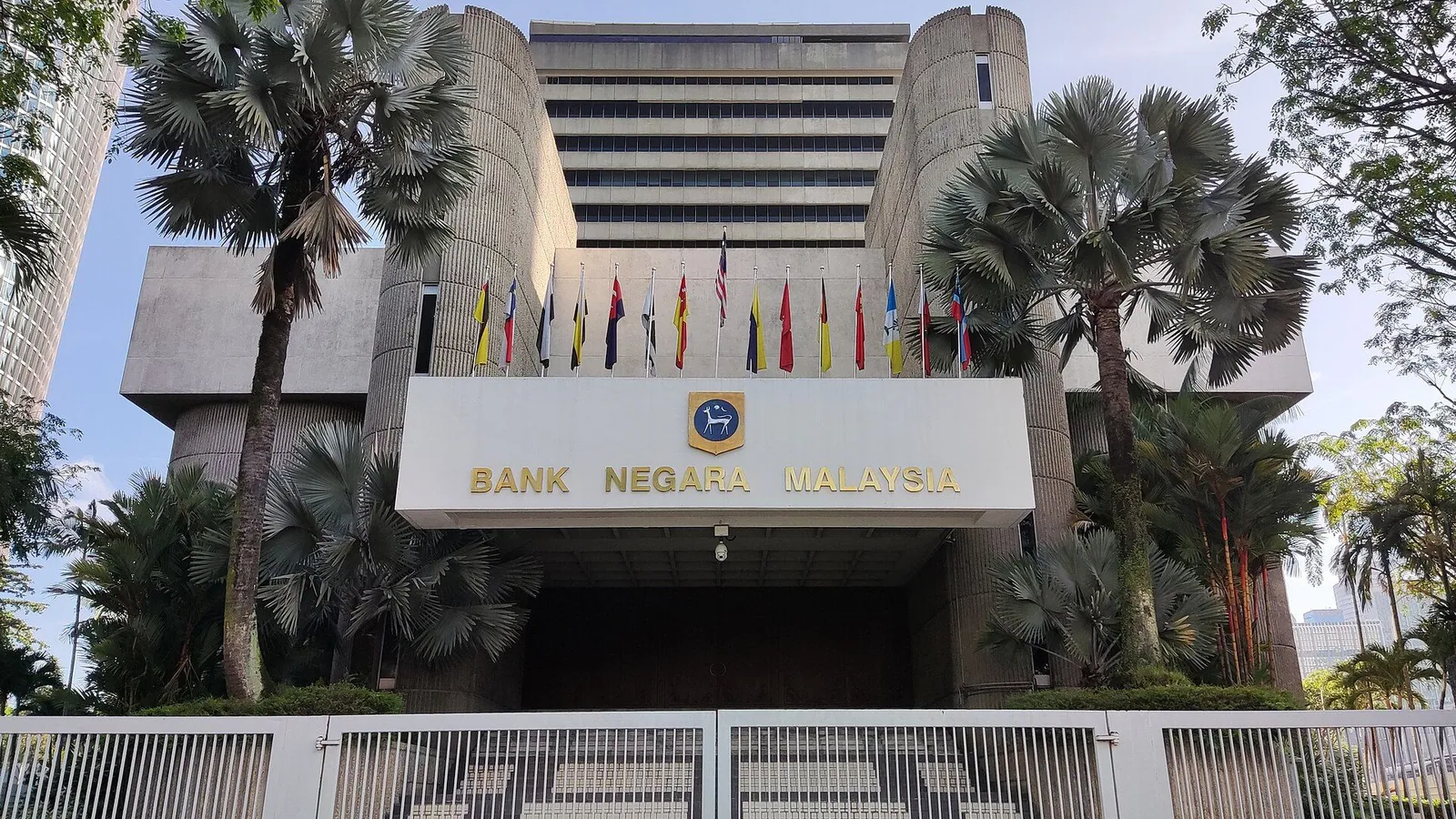
Bank Negara Malaysia (BNM) attributed the expansion to strong exports of electrical and electronic products and other technology-related goods, alongside resilient domestic demand. Household expenditure benefited from employment and income conditions, while investment was supported by spending on structures, machinery and equipment.
The Finance Ministry said exports rose 46% in the third quarter, with electrical and electronics exports up 62.1%. Those are the ministry's reported export growth figures, not GDP growth rates. The government also reported that unemployment was 2.9% in September.
The services and manufacturing sectors were important contributors, according to DOSM, while mining and quarrying contracted. This uneven performance means the headline GDP figure should not be read as evidence that every industry is expanding.
AI boom brings opportunity and exposure
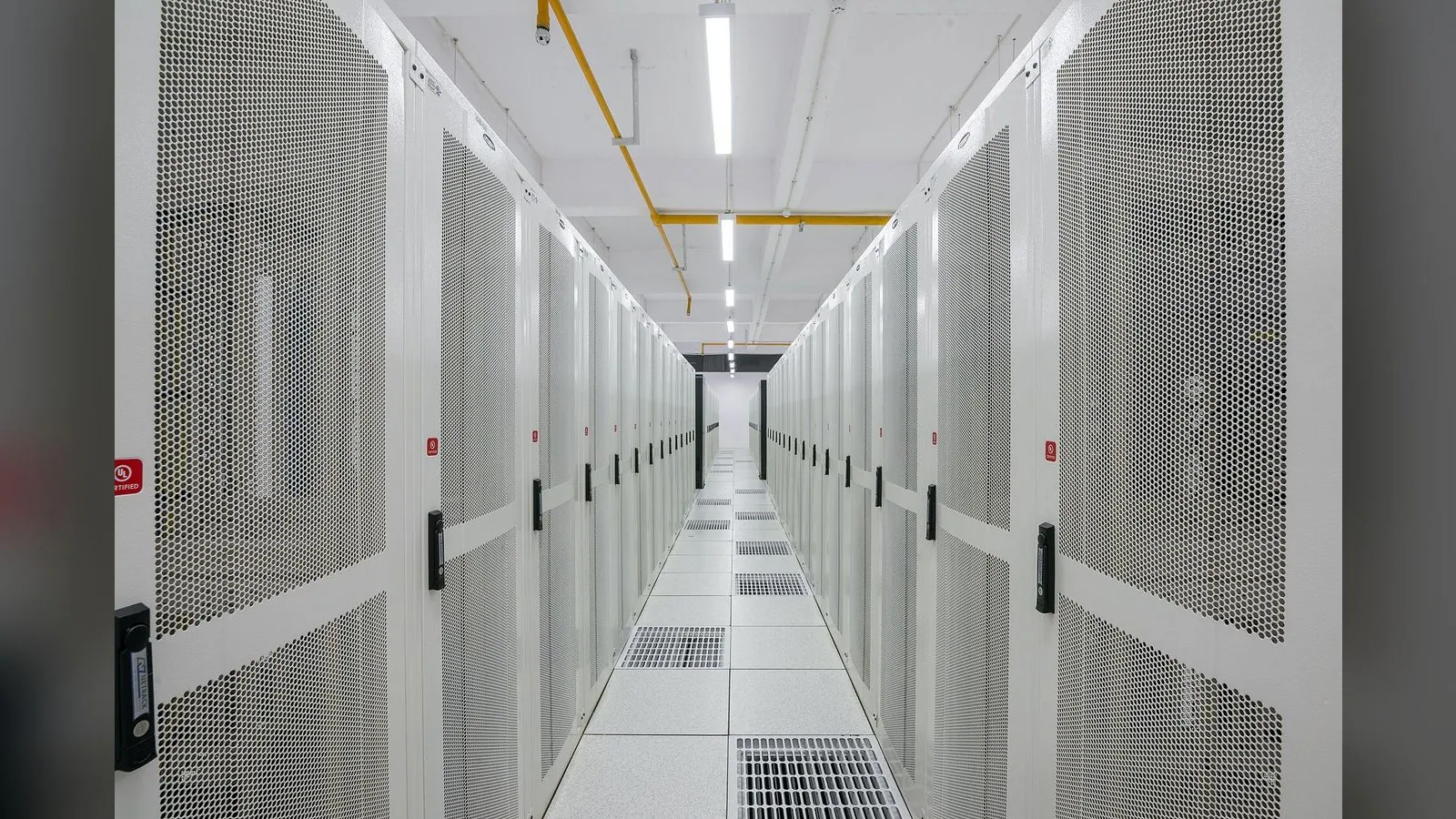
Global demand for chips and computing infrastructure has helped Malaysia's export-oriented manufacturing base. But dependence on technology spending also creates exposure if global demand cools or trade restrictions disrupt supply chains. New US licensing restrictions on advanced AI chips have raised questions for Southeast Asian data-centre investment; their eventual effect on Malaysian output remains uncertain.
BNM Governor Abdul Rasheed Ghaffour said growth for all of 2026 is expected to exceed 5%. That is a central-bank expectation, not a final annual result. The bank also warned that inflation could firm toward year-end as higher costs gradually reach consumers, while expecting the full-year headline rate to average 1.5%, 2.5%.
For policymakers and investors, the next test is whether export strength can continue alongside consumer spending and investment without an outsized reliance on the global AI cycle. The November 18 figures establish a stronger-than-estimated third quarter, not a guarantee of the same pace in 2027.
Sources: DOSM, Bank Negara Malaysia, Malaysia Ministry of Finance, and Reuters reporting carried by The Business Times (November 18, 2026).