Indonesia's Environment Ministry says it aims to issue a new regulation in December requiring producers to take greater responsibility for packaging after consumers discard it. The proposal could shift part of the cost of waste collection from households and local governments to companies that put packaged goods on the market. But the text has not yet been enacted, and crucial details about financing, enforcement and consumer prices remain unclear.
A December target, not a law already in force
At the COP31 climate conference in Antalya, Turkey, Environment Ministry senior secretary Rosa Vivien Ratnawati said on November 16 that the ministry was preparing a ministerial regulation on extended producer responsibility, or EPR. She told reporters that producers should redesign packaging and take back used packaging. The proposed regulation would also address companies managing EPR arrangements. She hoped the measure would be promulgated in December 2026, after harmonisation with the Law Ministry.
ANTARA reported the statement on November 17. detikNews independently reported the remarks from the COP31 venue on November 16, quoting Rosa as saying the measure was still approaching harmonisation. Accounts differ slightly on whether that process had already begun, but both agree the regulation remained a proposal. No final text or binding December commencement date has been established in the material reviewed.
Existing duties already date back to 2019
The plan is not Indonesia's first attempt to make companies accountable for packaging waste. Environment and Forestry Ministerial Regulation P.75/2019 established a roadmap for waste reduction by producers, including planning, reporting and reduction approaches. The official text is publicly available through the ministry's legal-document portal. The 2026 proposal should therefore be assessed as a potential strengthening or redesign of an existing framework, not as the first time producers have had environmental responsibilities.
The ministry's October 6, 2026 public-consultation statement said a draft regulation on procedures for producer waste reduction was being discussed with stakeholders. Deputy Minister Diaz Hendropriyono argued that EPR obligations should apply fairly across companies, rather than giving some businesses an advantage. This is the ministry's policy position; the final scope of affected firms and any exemptions cannot be verified without the final regulation.
Who pays for collection?
Under a well-designed EPR system, producers help finance or organise collection and treatment of waste generated by their products. That could give companies an incentive to use less packaging, design containers that are easier to reuse or recycle, and support collection facilities. It could also reduce pressure on municipal waste budgets if funds genuinely supplement existing services.
But there are trade-offs. Companies could pass some compliance costs to consumers through prices. Small producers may struggle with collection logistics, while large brands could have more bargaining power over contracted waste managers. These are possible outcomes, not documented impacts of a rule that has not yet been issued. The ministry has not published a verified estimate of likely price effects, fee levels, or enforcement costs in the cited announcements.
Waste pickers and informal collectors are another critical group. An EPR system that channels payments exclusively to large formal contractors could exclude people who already recover valuable materials. Conversely, transparent contracts, fair payments and safety standards could improve conditions for those workers. The regulation's treatment of the informal sector should be scrutinised once its full text is released.
The collection problem cannot be solved by labels alone
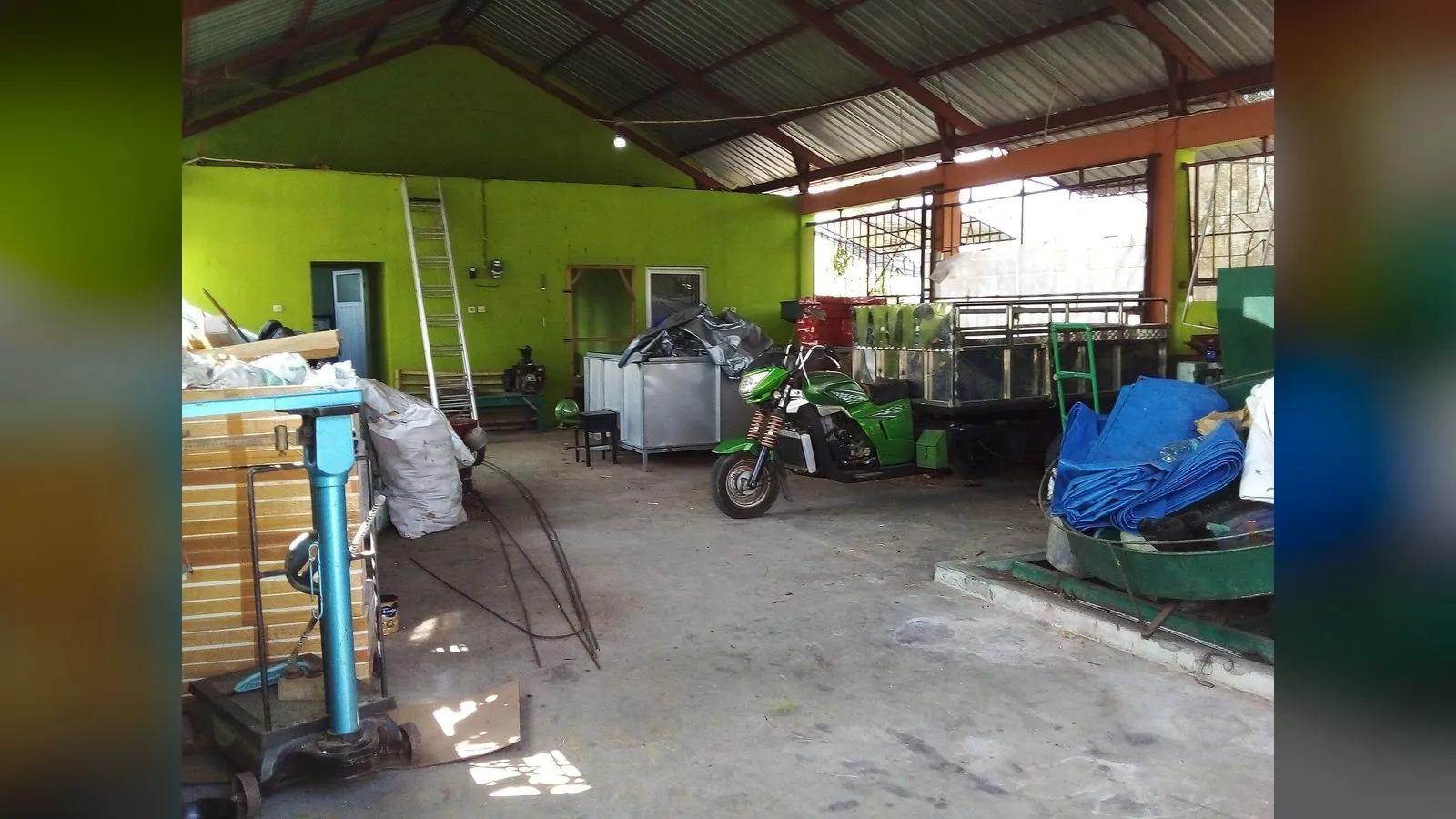
Rosa acknowledged a practical obstacle: residents may separate waste only to see it mixed again during collection. She called for better facilities, including waste banks and other collection infrastructure. The ministry also discussed incentives for businesses that use more reusable or recycled packaging. Yet an incentive scheme is not the same as a funded infrastructure plan. The responsible agencies, budget and measurable targets remain to be clarified.
A meaningful EPR framework needs public reporting on quantities placed on the market, amounts collected and actually recycled, audit methods and penalties for false reporting. Counting material collected is not equivalent to demonstrating it was recycled. The government should explain how it will prevent companies from claiming credit for waste recovered by others without paying those who collected it.
Questions for the final rule
The key tests are whether the rule specifies which products and producers are covered; how companies finance take-back systems; how independent audits work; whether small businesses receive proportional obligations; how waste pickers are included; what sanctions apply; and how local authorities coordinate with producer-run systems. Public access to the draft and a summary of consultation feedback would allow citizens to compare the promised benefits with enforceable obligations.
What is confirmed: the ministry is preparing an EPR regulation and is targeting December. What is not confirmed: final legal obligations, commencement date, fees, penalties or measured effects on household costs. News WLD will assess the enacted text rather than treating a ministerial announcement as a law already in operation.