Key points
- Shareholders filed a proposed class action alleging inadequate disclosures.
- Intel stock fell 28.6% on October 30 after weak guidance.
- The lawsuit's accusations have not been adjudicated.
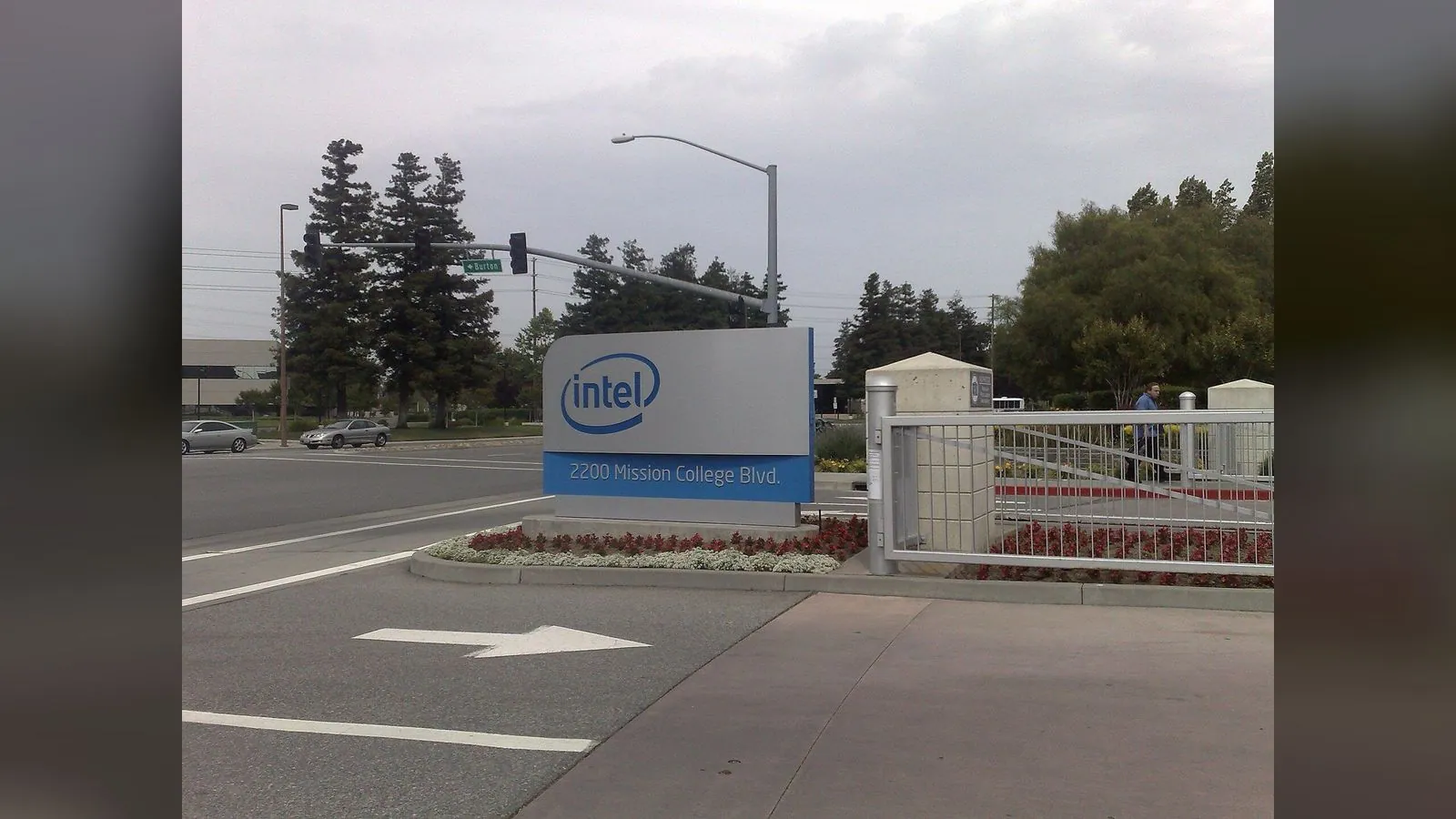
Intel is facing a proposed shareholder class-action lawsuit after a sharp stock market decline that exposed the gap between investor expectations for artificial intelligence growth and weakness in the personal-computer market.
The complaint was filed on Friday in federal court in San Jose, California, Reuters reported on November 15. It accuses the US chipmaker and two senior executives of failing to adequately disclose how weak PC sales and excess inventory were affecting its prospects. These are allegations by investors, not findings by a court.
What shareholders allege
The lawsuit was brought on behalf of investors who held Intel shares between July 23 and October 29, 2026. It names chief executive Lip-Bu Tan and chief financial officer David Zinsner among the defendants and seeks unspecified damages.
Investors allege that the company gave an unduly optimistic picture of its business while it was raising capital. According to the complaint as described by Reuters, Intel sold $23 billion of shares at $95 each in August. The plaintiffs argue that the disclosures did not fully reflect the effect of inventory pressures and weakening consumer demand.
Intel had not responded to Reuters' request for comment when that report was published. The allegations therefore should not be presented as proof that the executives deliberately misled investors. The court will need to determine what information was available, what the company disclosed and whether the legal standard for shareholder liability is met.
The October warning
On October 30, Intel shares plunged 28.6%, wiping roughly $140 billion from the company's market value, after the chipmaker issued a weaker-than-expected outlook for its fourth quarter.
The company pointed to manufacturing supply shortages, an unusually difficult memory-chip environment and lower PC demand. Reuters reported at the time that Intel's revenue forecast was more than $1 billion below market expectations and that the company did not expect positive cash flow for the year.
The warning mattered beyond Intel. Rising demand from AI data centres has intensified pressure on the supply of some semiconductor components, while consumers and businesses have shown less appetite for upgrading traditional computers. That combination means the AI investment boom does not lift every part of the chip industry equally.
A chip company can benefit from spending on servers and accelerators while still facing a difficult market for processors used in laptops and desktop PCs. Investors need to distinguish these segments rather than treating the semiconductor sector as a single business.
A difficult balancing act
Intel is trying to compete in advanced manufacturing and AI infrastructure while retaining a substantial role in the market for conventional processors. Both efforts require capital, engineering resources and time.
Manufacturers also depend on memory suppliers, packaging capacity and customers' purchasing cycles. Even when the longer-term strategy seems attractive, a mismatch between near-term demand and production plans can create unsold inventory, lower margins and cash-flow pressure.
For shareholders, the lawsuit adds legal uncertainty to operational challenges. The outcome could depend on company statements, the timing of internal forecasts and whether the market was given a materially misleading impression of risks. A sharp fall in a stock's price, by itself, does not establish securities fraud.
What investors should watch
The next questions are whether Intel stabilises PC demand, obtains sufficient components for its products, and restores confidence in its financial forecasts. Court filings and any formal response from the company will also matter.
Intel shares closed the previous Friday at $59.66, according to Reuters, still higher for the year but far below the level at which shares were sold in August.
For investors across the semiconductor industry, the broader lesson is that AI infrastructure growth and traditional computing demand can move in different directions. Intel's legal dispute now puts the quality of its earlier disclosures under scrutiny as well.